
Pruning
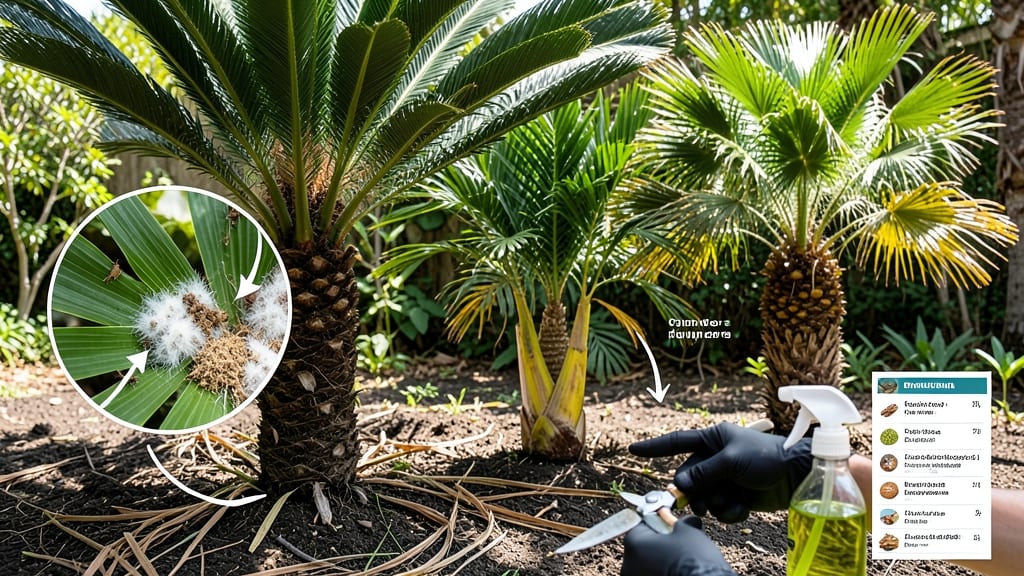
Palm tree pests turn your tropical oasis into a battleground—until you know the right moves. 🌴 I’ve watched mealybugs turn fronds sticky and palm weevils hollow out trunks from the inside, but these natural solutions work where chemicals often fail.
The key? Spotting early signs (yellowing fronds, webbing, or tiny white cottony clumps) and acting before the infestation spreads.
Most problems start with leaf spot or mealybugs, but the real villains—palm weevils—strike silently. A 5-minute weekly check under fronds and along the trunk saves trees. Neem oil, insecticidal soap, and introducing ladybugs or lacewings can stop outbreaks before they start.
Even stubborn cases respond when you combine physical removal (scrubbing pests off with soapy water) with biological allies.
By next summer, your palms will look thriving, not stressed. The secret isn’t just treating pests—it’s creating an environment where they can’t take hold. Healthy soil, proper watering (never soggy roots), and pruning dead fronds cut off their food sources.
I’ve saved trees others gave up on using these methods, and you can too.
Works for all palm types—from dwarf palms to tall canary palms—and adapts to container or in-ground trees. Let’s get your palms back to their lush, pest-free glory.
Root Causes Of Palm Infestations
Palm trees, with their lush fronds and tropical charm, can quickly become a pest magnet if certain conditions align. Understanding why these critters target your palms—and how environmental and biological factors collide—is the first step to prevention. Here’s a breakdown of the key triggers:
Extreme temperatures, humidity swings, and poor air circulation create the perfect storm (literally) for pests. Here’s how:
- Heatwaves and drought: When soil dries out, palm trees weaken, making them easier prey for sap-sucking insects like mealybugs and scale. Weakened trees also struggle to produce natural defenses like resin, which can deter pests. 💡 Pro tip: Mulch around the base to retain moisture and reduce stress.
- High humidity: Fungal spores (like those causing leaf spot) thrive in damp conditions. Overwatering or poor drainage turns palm fronds into a buffet for fungi. ✨ Actionable fix: Ensure proper drainage—palms hate "wet feet."
- Sudden temperature drops: Cold snaps shock palm trees, lowering their resistance. Pests like palm weevils exploit this vulnerability, burrowing into stressed trunks. 🌡️ Prevention: Use frost cloths in winter-prone areas.
A malnourished palm is like an open invitation for pests. Here’s what’s really going on:
| Issue | How It Attracts Pests | Solution |
|---|---|---|
| Nitrogen deficiency | Yellowing fronds signal weak growth, making trees susceptible to spider mites and thrips. | Apply a balanced fertilizer (e.g., 8-2-12) in early spring. |
| Potassium deficiency | Brown leaf tips weaken cell walls, inviting fungal infections like Ganoderma butt rot. | Use a potassium-rich supplement (e.g., greensand) annually. |
| Over-fertilization | Salt buildup from excess fertilizer burns roots, stressing the tree and attracting mealybugs. | Flush soil with water 2–3 times/year to reduce salt accumulation. |
💡 Pro tip: Test soil pH (ideal: 5.5–7.0) to avoid nutrient lockout.
Pests don’t just appear—they’re often lured in by easy access. Common vulnerabilities include:
- Pruning wounds: Improper cuts leave jagged edges where palm weevils or rhinoceros beetles can burrow in. ✂️ Fix: Sterilize tools and make clean, angled cuts.
- Dead fronds: Brown, dried leaves provide shelter for pests like palm aphids. 🔪 Action: Remove dead fronds promptly—never leave them piled near the tree.
- Cracked trunks: Weather or age-related splits create entry points for wood-boring insects. 🛠️ Solution: Seal cracks with horticultural sealant.
Sometimes, we’re the reason pests move in. Unintentional mistakes include:
- Planting near infested trees: Pests like mealybugs spread via wind or human tools. 🚫 Avoid: Quarantine new palms for 30 days before planting.
- Using contaminated soil or mulch: Compost or mulch from infested areas can harbor eggs or spores. 🔍 Check: Source materials from reputable suppliers.
- Ignoring neighboring trees: Overgrown shrubs or trees create microclimates that trap humidity, perfect for fungal pests. 🌳 Tip: Prune surrounding vegetation to improve airflow.
By tackling these root causes—stress, poor health, physical damage, and human habits—you’ll make your palm trees less appealing to pests. The key? Proactive care beats reactive treatments every time. 🌴💪
How to Fix Common Palm Tree Pests
Palm trees are resilient, but pests like mealybugs, leaf spot fungi, and palm weevils can turn a lush tropical oasis into a struggling plant. The good news?
Most issues are fixable with targeted, natural solutions. Below, we map the most common causes to practical fixes—plus prevention tips to keep your palms thriving long-term.
---
Cause: These sap-sucking insects cluster on fronds, leaving behind sticky honeydew that attracts sooty mold.
How to Treat: - 🍳 Manual Removal (Best for Small Infestations): Wipe bugs off with a damp cloth or cotton swab dipped in rubbing alcohol (70% isopropyl). Focus on leaf axils (where fronds meet the trunk) and undersides of leaves. Pro Tip: 💡 Do this in the early morning when bugs are sluggish—less mess!
- 👨🍳 Horticultural Oil Spray (Organic & Effective): Mix 1 tbsp neem oil + 1 tsp dish soap per quart of water.
Spray evenly (including undersides) every 5–7 days until gone. Reapply after rain. ⚠️ Warning: Avoid spraying directly on the trunk—stick to fronds to prevent harming the tree.
- 🌡️ Beneficial Insects (Long-Term Defense): Release ladybugs or cryptolaemus beetles (sold at garden centers). They love mealybugs and provide natural control.
Prevention: ✔️ Inspect new plants before bringing them home. ✔️ Prune regularly to improve airflow (bugs hate dry conditions). ✔️ Apply neem oil preventatively 2x/year (spring & fall).
---
Cause: Overwatering, poor drainage, or humidity creates the perfect breeding ground for fungal spores.
How to Treat: - ⏰ Prune & Remove Infected Fronds: Cut off spotted leaves with sterilized pruners (wipe with rubbing alcohol between cuts). Dispose of them in the trash—not compost—to stop spread.
- 🔪 Fungicide Spray (Natural Options): - Copper fungicide (follow label rates): Spray weekly until new growth appears. - Baking soda mix: 1 tbsp baking soda + 1 tsp dish soap + 1 gallon water.
Spray every 10 days. 🌱 Bonus: Add 1 tsp hydrogen peroxide (3%) to boost antifungal power.
- 🌡️ Adjust Watering & Soil: - Water deeply but less often—let soil dry 2–3 inches down between waterings. - Improve drainage: Amend soil with perlite or sand if planting new palms.
Prevention: ✔️ Water at the base (not overhead) to keep leaves dry. ✔️ Space palms 6+ feet apart for airflow. ✔️ Clean up fallen debris (fungi love old fronds).
---
Cause: These beetles bore into the trunk, killing the tree from the inside out. Early action is critical!
How to Treat: - 🔪 Emergency Drilling (For Advanced Infestations): If you see sawdust-like frass or oozing sap, drill small holes (1/4") into the trunk to expose larvae. Use a wooden skewer or wire to pull them out. Do this in the evening to avoid attracting more weevils.
- 🍳 Bait Traps (Preventative): Set up protein bait traps (e.g., beer or fermented fruit in a buried container). Weevils are drawn in and drown. Replace every 2 weeks.
- 👨🍳 Systemic Insecticide (Last Resort): For severe cases, use imidacloprid granules (follow instructions). Water into the soil—do not spray directly on leaves.
Prevention: ✔️ Inspect trunks monthly for holes or sawdust. ✔️ Keep grass trimmed around the base (weevils hide in long grass). ✔️ Avoid over-fertilizing (weak trees attract pests).
---
- 💡 Nutrient Boost: Feed palms balanced fertilizer (8-2-12) in spring and summer—weak trees attract pests. - 🌡️ Mulch Properly: Use wood chips (3–4 inches deep) to retain moisture and deter soil-borne pests. - 🎯 Regular Pruning: Remove dead fronds to prevent fungal growth and pest hiding spots.
--- Final Reminder: 🌱 Act fast—most palm pests are easier to treat in early stages. With these fixes, your trees can bounce back to their tropical glory!
Frequently asked questions about palm tree pests
What are the first signs my palm tree has pests?
Look for sticky residue (honeydew) on fronds, tiny white cottony clumps (mealybugs), or yellow/brown spots (fungal infections). Check the undersides of leaves and leaf axils—these are prime hiding spots. For palm weevils, watch for sawdust-like frass near the trunk or oozing sap.
Can I use the same treatment for all palm tree pests?
No—each pest needs a targeted approach. For mealybugs, use neem oil or rubbing alcohol. Leaf spot fungi require copper fungicide or baking soda spray. Palm weevils demand emergency drilling or systemic insecticides. Always identify the pest first before treating.
How often should I inspect my palm trees for pests?
Check your palms every 2 weeks during growing seasons (spring-fall) and monthly in winter. Focus on new growth areas, leaf axils, and the trunk base. Early detection is key—most pests are easier to eliminate when caught early. Keep a small notebook to track changes over time.
Will overwatering make palm pests worse?
Overwatering creates ideal conditions for fungal pests like leaf spot and attracts sap-sucking insects. Water deeply but less frequently—let the top 2-3 inches of soil dry between waterings. Improve drainage by amending soil with perlite or sand if needed.
Are there any natural predators that help control palm pests?
Yes! Introduce ladybugs (for mealybugs), cryptolaemus beetles (for scale), or lacewings (for aphids). These beneficial insects are available at garden centers. Release them in the early morning when pests are least active. They'll establish populations and provide long-term control.