
Pruning
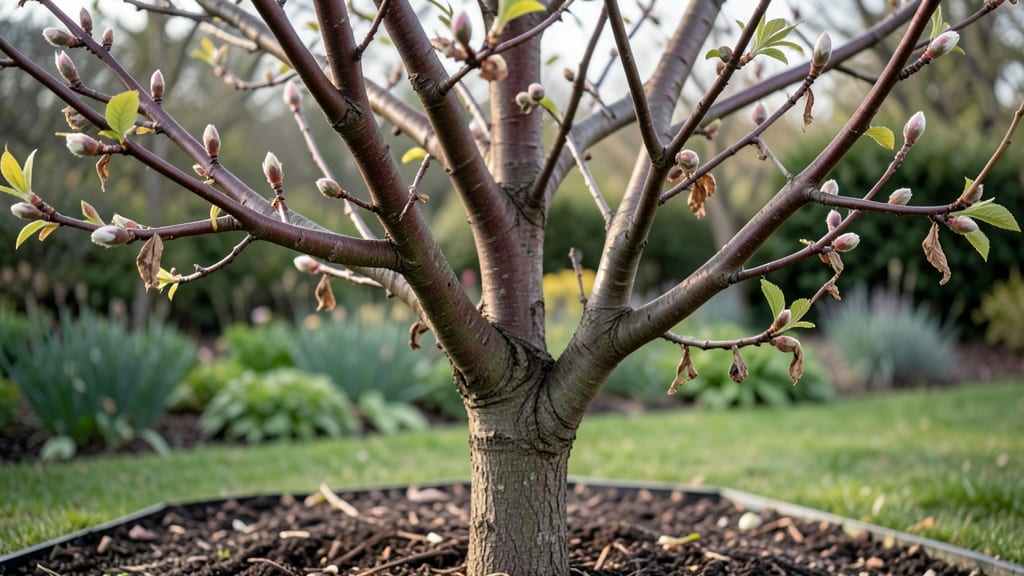
Peach tree branches need pruning year-round to keep them strong and productive, not just in late winter. 🌱 I’ve learned that skipping this step means weaker fruit, more pests, and branches that snap under heavy loads—something I experienced firsthand after a storm took out my biggest limb.
The key is timing: prune lightly after harvest to improve airflow, remove dead wood in early spring, and do major shaping in late winter when the tree is dormant. You’ll need sharp pruners, a ladder, and a clear day to avoid spreading diseases like peach leaf curl.
By summer’s end, you’ll see thicker branches holding fruit better, fewer pests, and a tree that looks healthier than ever. The best part? Pruning now means fewer surprises when harvest season rolls around. Works for both young trees and mature ones—just adjust the intensity. Let’s get those branches in shape!
📚 In This Guide
- What you need
- Instructions
- Tips and common mistakes
- Wrapping up and next steps
What you need
- ● Pruning shears: Bypass pruners with sharp, clean blades (for cuts up to ½ inch thick). Invest in high-quality tools—rusty or dull blades can damage branches.
- ● Loppers: For thicker branches (½ to 1½ inches). Look for bypass-style loppers for cleaner cuts.
- ● Pruning saw: For branches thicker than 1½ inches. A bow saw or pruning saw with a fine-toothed blade works best.
- ● Disinfectant (70% isopropyl alcohol or bleach solution): Clean tools between cuts to prevent disease spread.
- ● Gloves: Heavy-duty gardening gloves (cut-resistant if dealing with thorns).
- ● Safety glasses: Protect your eyes from debris.
- ○ Rope or twine: (Optional but helpful) For tying branches during training or support.
- ● Pruning sealant: For larger wounds (over ½ inch) to reduce disease risk. Skip this for peach trees—research shows it’s often unnecessary and can trap moisture.
- ● Ladder or step stool: For high branches (ensure it’s stable and non-slip!).
- ● Marking twine or paint: To tag branches for removal (great for planning ahead).
- ● Sharpie or label maker: For labeling branches if you’re training a new tree structure.
- ● Tree wound dressing: Avoid these—they can do more harm than good! 🚫
- ● Check the weather: Prune on a dry, cloudy day to reduce stress on the tree.
- ● Know your tree’s age: Young trees (under 3 years) need light pruning; mature trees benefit from structural shaping.
- ● Study your peach tree’s growth habits: Identify water sprouts, dead wood, and crossing branches before you start.
- ● Have a plan: Sketch a rough outline of your pruning goals (e.g., open center vs. vase shape).
How to prune peach tree branches for maximum fruit production
Here’s my no-fuss approach to pruning that keeps your peach tree healthy and bursting with fruit.
✂️ Step 1: Prune in Late Winter for Structural Strength
Start when the tree is still dormant but buds are swelling—usually late February to early March. This timing prevents disease spread and lets you see the tree’s natural shape clearly. Focus on removing dead, crossing, or diseased branches first—they’re the easiest to spot and should go completely.
Next, cut back any branches growing inward toward the center. These compete for sunlight and air circulation, which leads to poor fruit quality. Use clean, sharp pruners to make 45-degree cuts just above an outward-facing bud. This ensures new growth heads in the right direction. I always sanitize my tools with rubbing alcohol between cuts to prevent bacterial spread.
✂️ Step 2: Thin Branches in Early Spring for Better Airflow
Once buds break and new leaves appear—around mid-April—shift focus to thinning. Remove one-third of the oldest branches to encourage younger, more productive growth. Look for branches that are thicker than your thumb and growing straight up; these often produce fewer fruits. Cut them back to a strong lateral branch or bud.
This step is about balance. You want sunlight to reach the center of the tree and airflow to prevent fungal issues. If you see clusters of branches growing too close together, prune the weakest one. Real talk: It’s tempting to leave extra branches, but crowded growth leads to small, sour peaches.
☀️ Step 3: Light Summer Pruning to Encourage Fruit Growth
After the first harvest—around July—do a quick check for suckers (shoots growing from the base) and water sprouts (vertical shoots with no branches). These steal energy from fruit production. Cut them back to a joint or bud where they meet the main branch. Avoid heavy pruning now; the tree is already stressed from fruiting.
If you notice any branches with fruit spurs (small side branches where peaches form) but no leaves, trim them back slightly. This encourages the tree to focus energy on developing next year’s fruit rather than maintaining unproductive wood. A light touch here pays off big in flavor and yield.
✂️ Step 4: Clean Up in Fall to Prevent Disease
After leaves drop—around October—remove any dead branches, diseased wood, or branches with signs of pests. Burn or dispose of these in sealed bags, not your compost pile. This is your last chance to keep the tree clean before winter dormancy. Rake up fallen leaves and debris from under the tree to reduce fungal overwintering spots.
Now’s also the time to thin out any overly dense branches that might trap moisture. A well-pruned tree enters winter stronger and recovers faster in spring. I like to finish with a final sanitization of my tools—just a wipe with bleach solution—to keep next year’s pruning clean.
Tips & tricks for perfect year-round peach tree pruning
These simple strategies will help you prune like a pro and keep your peach tree thriving season after season.
Tool Prep is Everything: Before you even touch the tree, sharpen your pruners and sanitize them with rubbing alcohol. Dull blades tear wood instead of making clean cuts, which invites disease. I keep a small bottle of alcohol in my tool bag—just a quick wipe between cuts keeps everything sterile. For larger branches, use loppers or a pruning saw, but always make cuts at a 45-degree angle just above an outward-facing bud to encourage healthy growth.
Timing Matters More Than You Think: The late February to early March window for Step 1 isn't just arbitrary—it's when your tree is dormant but buds are swelling. This timing lets you see the tree's natural shape clearly while minimizing disease spread. If you're in a warmer climate, wait until just before buds break. Pro tip: Mark your calendar now so you don't miss this critical window next year!
Visual Cues for Better Pruning: In Step 2, when thinning branches, use your thumb as a reference—any branch thicker than your thumb is likely too dominant. For summer pruning (Step 3), look for "water sprouts" (vertical shoots with no branches) and "suckers" (shoots from the base)—these are energy vampires that steal from fruit production. A quick visual check after harvest can make all the difference in next year's yield.
Fall Cleanup Prevents Winter Problems: Don't skip the October cleanup in Step 4! Raking up fallen leaves and debris isn't just about tidiness—it's your last chance to prevent fungal overwintering. I've seen peach trees suffer from brown rot just because infected leaves were left under the tree. Burn or bag diseased wood immediately, and consider a final tool sanitization with bleach solution to keep next year's pruning clean.
Pro Tips for Peach Tree Branches
- These simple strategies will help you prune like a pro and keep your peach tree thriving season after season.
- Tool Prep is Everything: Before you even touch the tree, sharpen your pruners and sanitize them with rubbing alcohol.
- Timing Matters More Than You Think: The late February to early March window for Step 1 isn't just arbitrary—it's when your tree is dormant but buds are swelling.
Frequently asked questions
Got questions about keeping your peach tree branches in tip-top shape? You’re not alone! Here are answers to the most common queries—so you can prune like a pro and enjoy a bountiful harvest.
When is the best time to prune peach tree branches?
The ideal window is late winter or early spring (just before buds swell), but you can also prune lightly after harvest to remove dead wood. Avoid pruning in fall—it invites disease. For heavy pruning, wait until dormancy to minimize stress on the tree.
How do I know which branches to cut from my peach tree?
Remove:
- Dead/diseased branches (no leaves, brown or cracked bark).
- Crossing or rubbing branches (they compete for sunlight and damage each other).
- Suckers (shoots growing from the base—redirect energy to fruit-bearing branches).
- Overcrowded branches (thin out to improve airflow and sunlight penetration).
Can I prune peach tree branches in summer?
Light summer pruning (e.g., removing water sprouts or damaged limbs) is fine, but avoid heavy cuts. Summer pruning can stress the tree and make it vulnerable to pests or disease. If you must prune, do it early morning to reduce water loss and heat stress.
What should I do if my peach tree branches are breaking under fruit weight?
This usually means the tree needs structural support. Thin out excess fruit to reduce weight, then:
- Install tree ties or stakes to support weak branches.
- Apply a balanced fertilizer (high in potassium) to strengthen wood.
- Prune to open the canopy and improve airflow.
Are there alternatives to pruning peach tree branches myself?
Yes! If DIY pruning feels overwhelming, consider:
- Hiring an arborist (especially for large or mature trees).
- Community garden workshops (many offer free pruning guidance).
- Extension service consultations (local experts provide tailored advice).
Wrapping up and next steps
Caring for your peach tree branches doesn’t have to be overwhelming—just a little love and the right timing can transform your tree into a fruit-bearing powerhouse! 🌱 By mastering year-round pruning, you’ll boost airflow, sunlight exposure, and fruit quality while keeping pests at bay.
Whether you’re trimming dead wood in winter or shaping branches in summer, consistency is key.
Ready to take action? Grab your pruners and schedule your next pruning session—your peach tree (and future harvests!) will thank you. Happy pruning! 🍑✂️