
Diseases
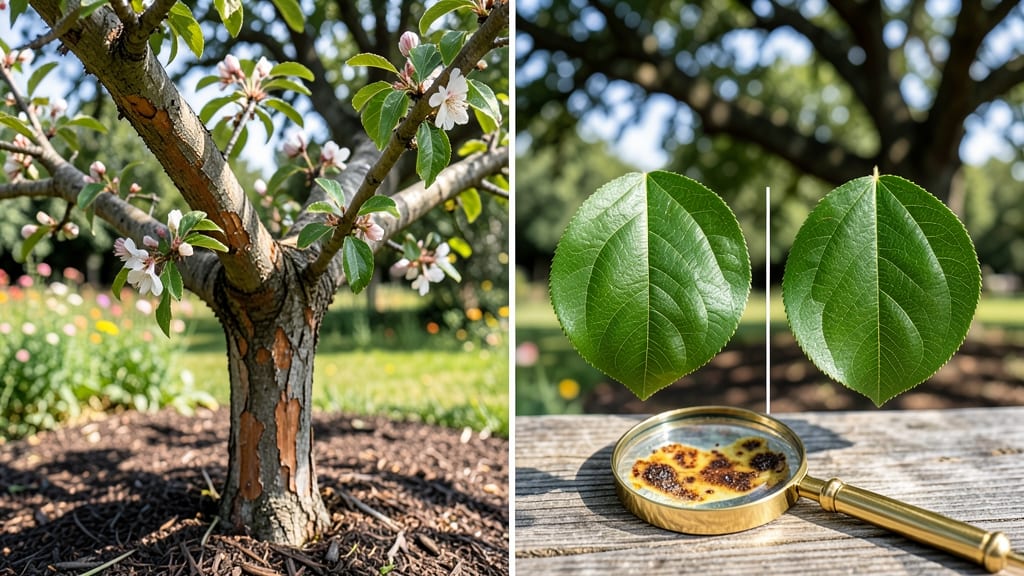
Peach tree diseases on leaves can turn your lush canopy into a sad, spotted mess—brown rot, leaf curl, and fungal spots are the usual culprits, and they don’t just ruin foliage, they threaten fruit too. 🌿 I’ve seen healthy trees go from vibrant to struggling in just a few weeks, and the key to saving them is catching these issues early.
The moment you spot those telltale brown patches or curled, leathery leaves, you’re already in damage control mode.
Most of these problems start with fungus—spores spread by rain, wind, or even infected pruning tools. Brown rot, for example, creates those classic dark, sunken spots with a fuzzy center, while leaf curl twists leaves into brittle, useless shells.
The good news? Organic sprays like copper fungicide or neem oil can stop them in their tracks if you act fast. Prevention is easier than cleanup: prune properly, thin branches for airflow, and avoid overhead watering.
What you’ll learn here is how to spot the disease before it spreads, treat it with simple (but effective) remedies, and keep your tree healthy enough to produce fruit next season.
I’ll walk you through the exact symptoms to watch for—because the earlier you act, the more peaches you’ll save. Think of this as your first line of defense against a ruined harvest.
Whether you’re dealing with a young tree or a mature one, these strategies work—no fancy equipment needed. The goal? A tree that stays strong, produces fruit, and doesn’t become a fungal hotspot. Let’s get those leaves back to their best.
Root Causes of Leaf Trouble
Peach tree leaves don’t just turn spotty or wilt overnight—they’re sending SOS signals about deeper issues. Understanding the why behind these problems helps you tackle them before they spread. Below, we break down the most common triggers, from sneaky pathogens to environmental stressors, with actionable science-backed explanations.
Fungi like Cladosporium, Cercospora, and Taphrina (the culprit behind peach leaf curl) thrive when moisture, warmth, and weak tree defenses align. Here’s how they exploit your tree:
- Excessive Moisture: Fungal spores splash onto leaves during rain or overhead watering, germinating in 24–48 hours if humidity stays above 70%. Cercospora, for example, causes brown spots with gray centers—its spores spread via wind and water, turning leaves into fungal buffets. 🌧️🍃
- Poor Air Circulation: Dense foliage or crowded orchards trap humidity, creating a fungal sauna. Cladosporium (which causes dark, velvety spots) loves this environment because spores can’t dry out. Prune to improve airflow—aim for 6–8 feet of space between trees.
- Dormant Season Neglect: Taphrina deformans (peach leaf curl) overwinters on buds as mycelium. When spring rains swell buds, the fungus erupts, twisting leaves into leathery, curled messes. Winter applications of copper fungicide (like Bordeaux mixture) smother spores before they wake up. ❄️🔄
Pro Tip: 💡 Fungi can’t survive in dry conditions. After rain, walk under the tree and check for powdery or slimy residues on leaves—this confirms fungal activity.
Peach trees aren’t just fighting fungi—they’re also battling environmental abuse. When stress mounts, leaves become vulnerable to secondary infections. Here’s how:
| Stressor | How It Harms Leaves | Science Behind It |
|---|---|---|
| Nutrient Deficiencies (e.g., zinc, magnesium) | Yellowing between veins (chlorosis) or small, distorted leaves | Deficiencies disrupt chlorophyll production, making leaves 20–30% less efficient at photosynthesis. Weakened cells can’t fight off pathogens like Alternaria, which causes dark, concentric rings on leaves. 🌱🚫 |
| Extreme Temperatures (heatwaves or late frosts) | Blistered, sun-scalded spots or sudden leaf drop | Rapid temperature swings damage cell membranes, creating entry points for bacteria (e.g., Xanthomonas) and fungi. Late frosts kill new growth, forcing the tree to expend energy on recovery instead of defense. ❄️☀️💥 |
| Overwatering or Poor Drainage | Yellowing leaves, root rot, and fungal spots | Waterlogged soil cuts off oxygen to roots, triggering Phytophthora (a water mold) to attack leaves via root-to-canopy spread. Roots release stress hormones that suppress immune responses in foliage. 💦🚫 |
Actionable Fix: ✨ Test your soil’s pH (6.0–7.0 ideal for peaches) and amend with compost or sulfur if needed. Mulch with wood chips to regulate soil moisture and temperature.
Some leaf problems start with tiny, unseen allies of fungi—pests that chew, sap, or spread pathogens. Here’s how they enable disease:
- Sap-Sucking Insects (Aphids, Scale, Spider Mites): Their honeydew excretions create a sticky film that traps fungal spores (like Sooty Mold) on leaves. Aphids also transmit viruses (e.g., peach mosaic virus), which weaken the tree’s vascular system, making leaves more susceptible to spots. 🐜🍯
- Leaf-Chewing Insects (Japanese Beetles, Sawflies): Physical damage opens wounds where bacteria (Pseudomonas syringae) or fungi can enter. Sawfly larvae, for example, skeletonize leaves, reducing the tree’s ability to photosynthesize and heal. 🌿🔪
- Boring Insects (Peach Tree Borers): Larvae tunnel into bark, disrupting nutrient transport and stressing the tree. Weakened trees can’t produce antifungal compounds like phytoncides, leaving leaves defenseless against Botryosphaeria (a common bark-and-leaf pathogen). 🐛🌳
Pro Tip: 🔥 Neem oil or insecticidal soap (applied in early morning) suffocates soft-bodied pests without harming bees. For borers, wrap trunks with burlap strips to trap emerging adults.
By addressing these root causes—fungal conditions, environmental stress, and pest partnerships—you’re not just treating symptoms; you’re cutting off the disease at its source. Next, we’ll dive into how to diagnose which specific issue is plaguing your peach tree’s leaves.
Fixing Fungal Foes on Peach Leaves
Now that you’ve identified the troublemakers—whether it’s peach leaf curl, brown rot, or powdery mildew—it’s time to roll up your sleeves and restore your tree’s health. The good news?
Most of these issues are treatable with a mix of preventive care, targeted remedies, and a little elbow grease. Below, we’ll break down practical, step-by-step solutions for each common disease, plus pro tips to keep your peach tree thriving long-term.
Peach leaf curl thrives in cold, wet winters, and by the time you spot those puckered, red leaves in spring, the damage is already done. But don’t panic—early action is key.
🍳 Step 1: Prune Infected Growth (Now!)
- When? Late fall or early winter (before buds swell) or immediately after harvest (summer).
- How?
- Use sterilized pruners (wipe with rubbing alcohol between cuts).
- Remove all infected leaves, twigs, and branches—even if they’re just suspiciously curled.
- Dispose of prunings in the trash (not compost) to prevent reinfection.
- Pro Tip: 💡 Cut back to healthy wood—don’t leave stubs!
👨🍳 Step 2: Apply Fungicide (Timing Is Everything)
- Best fungicides: Copper-based sprays (like Copper Sulfate or Copper Hydroxide) or organic options like neem oil or baking soda spray (1 tbsp baking soda + 1 tsp oil + 1 gallon water).
- When to spray?
- First spray: Late fall (after leaf drop, before buds form).
- Second spray: Early spring (just as buds begin to swell—before green tissue appears).
- Third spray (if needed): 6–8 weeks after the second application.
- Pro Tip: 🌡️ Avoid spraying when temps are below 50°F (10°C)—it can harm the tree!
🌿 Step 3: Boost Tree Health Year-Round
- Improve drainage: Ensure your tree isn’t sitting in soggy soil—leaf curl loves moisture.
- Mulch properly: Use 2–4 inches of organic mulch (wood chips, straw) but keep it 6 inches away from the trunk.
- Fertilize smartly: A balanced fertilizer (10-10-10) in early spring helps the tree fight stress.
Brown rot spreads fast—from blossoms to leaves to fruit—and can ruin your harvest. The secret? Prevention + quick action.
⏰ Step 1: Clean Up Debris (Non-Negotiable!)
- Remove ALL infected fruit, leaves, and mummies (dried-up fruit) from the ground and tree.
- Burn or trash them—do not compost (the fungus can survive for years).
- Pro Tip: 🔥 Rake under the tree weekly during bloom and harvest to catch fallen fruit early.
🎯 Step 2: Spray for Prevention (Before Blooms Open!)
- Best fungicides: Captan, Myclobutanil, or Sulfur-based sprays.
- Spray schedule:
- First spray: When 50% of blossoms are open (pink bud stage).
- Second spray: 7–10 days later (repeat every 10–14 days until harvest).
- Organic option: Baking soda spray (1 tbsp baking soda + 1 tsp oil + 1 gallon water) every 7–10 days.
- Pro Tip: ✨ Spray early morning or late evening to reduce leaf burn from direct sunlight.
🛡️ Step 3: Strengthen the Tree’s Defenses
- Thin fruit: Overcrowded branches = more moisture = more rot. Remove excess fruit to improve airflow.
- Water at the base: Avoid wetting leaves (especially in the morning—wet leaves + sun = fungus party).
- Plant resistant varieties: If brown rot is chronic, consider ‘Redhaven’ or ‘Elberta’ (some cultivars are less susceptible).
Powdery mildew is annoying but rarely deadly—if caught early, it’s easy to control.
🔪 Step 1: Remove Severely Infected Leaves
- Snip off any leaves with heavy white coating (don’t let it spread to new growth).
- Dispose of them in the trash (not compost).
🌿 Step 2: Spray Fungicides (Organic or Chemical)
- Best options:
- Neem oil (1 tsp neem oil + 1 tsp mild soap + 1 quart water—spray every 7–10 days).
- Sulfur spray (follow label rates—avoid if temps exceed 90°F).
- Baking soda spray (same recipe as above).
- Pro Tip: 💡 Spray both sides of leaves—powdery mildew loves hiding in the shade!
🌡️ Step 3: Improve Airflow & Light
- Prune for sunlight: Thin out dense branches to reduce humidity (mildew loves shady, damp spots).
- Water deeply but less often: Soak the roots instead of frequent light watering (wet leaves = mildew magnet).
- Space trees properly: If planting new peach trees, give them 15–20 feet apart for airflow.
No matter the issue, these habits will save you headaches next season:
- 🌱 Plant in full sun: Peach trees need 6–8 hours of sunlight daily—weak trees get sick faster.
- 💧 Water wisely: Deep watering 2–3x per week (early morning) > daily light sprinkles.
- 🍄 Sterilize tools: Always clean pruners with rubbing alcohol between cuts.
- 🌿 Test your soil: A pH of 6.0–6.5 keeps trees healthy—adjust with lime or sulfur if needed.
- 🐝 Encourage beneficial insects: Ladybugs and lacewings eat mildew spores—plant marigolds or dill nearby to attract them!
Final Thought: 🎯 The best cure is prevention—but if your peach tree is already battling diseases, act fast, stay consistent, and your tree will bounce back stronger! Next season, you’ll be the proud owner of lush, disease-free leaves—and a bounty of juicy peaches. 🍑✨
Frequently asked questions
Why do peach tree leaves develop brown spots even after I've sprayed fungicide?
Brown spots can persist if spores were already present on leaves before spraying or if conditions (like high humidity) keep new spores active. Always apply fungicide before symptoms appear—especially in spring—and repeat every 7–14 days during wet periods. Also check your spray coverage: undersides of leaves often hide fungal colonies.
Can I save my peach tree if the leaves are already curled from leaf curl disease?
Severely curled leaves won't recover, but the tree can still produce fruit next year with treatment. Remove all infected leaves immediately, then apply copper fungicide in late fall and early spring. Focus on improving airflow and soil health—healthy trees resist leaf curl better.
How do I tell if my peach tree's leaf problems are from disease or just nutrient deficiency?
Disease symptoms (like peach leaf curl or brown rot) often show as distorted, curled, or spotted leaves with visible fungal growth. Nutrient deficiencies (like magnesium) cause uniform yellowing between veins without distortion. Test your soil—if pH is off (below 6.0), amend with lime or sulfur before assuming it's disease.
Is it safe to eat peaches from a tree with leaf diseases?
Peaches from diseased trees are generally safe to eat, but quality may suffer. Fruit from trees with brown rot or leaf curl might have cosmetic blemishes or reduced sweetness. Wash fruit thoroughly, and avoid eating leaves (some fungal spores aren't harmful but aren't pleasant). Focus on treating the tree to improve next year's harvest.
What's the fastest way to stop powdery mildew from spreading on peach leaves?
Act immediately by pruning heavily infected branches and applying neem oil or baking soda spray (1 tbsp baking soda + 1 tsp oil + 1 gallon water). Improve airflow by thinning dense foliage, and water at the base of the tree (never overhead). Repeat sprays every 7–10 days until new growth appears mildew-free.