
Trees
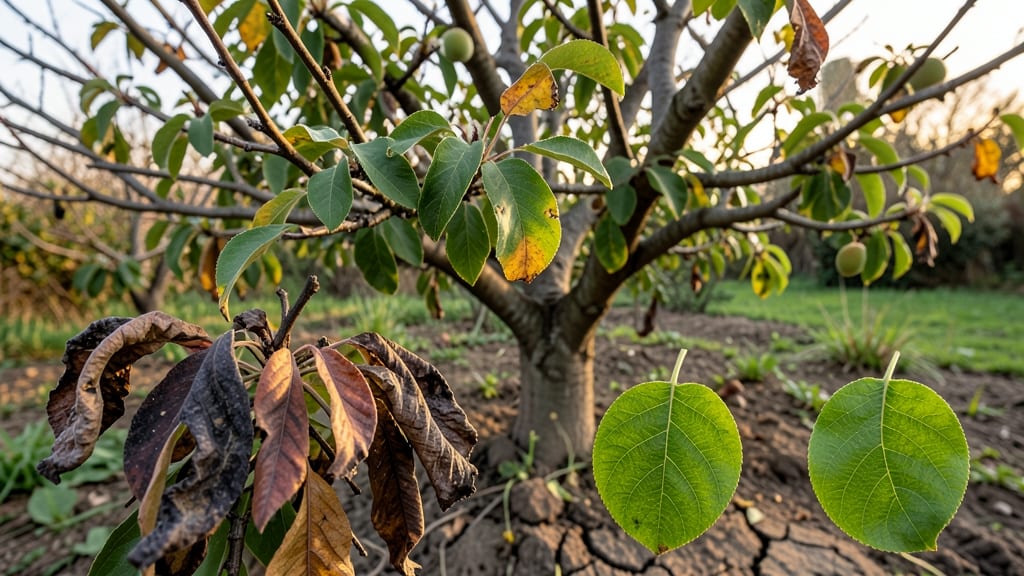
Your peach tree losing leaves isn't a death sentence—it's a wake-up call. 🌿 I've nursed back trees that looked like winter came early, and the key is acting fast before the roots suffer.
The first step is figuring out why it's happening: fungal diseases, pests, or stress all leave different clues in the leaves.
Start by checking the timing—leaf loss in spring often means fungal diseases like peach leaf curl, while sudden summer shedding points to spider mites or drought.
Yellowing edges suggest nutrient issues, while brown spots could mean bacterial infections. Grab a magnifying glass (or just your phone's camera) to spot the patterns.
Once you know the culprit, the fix is straightforward: prune affected branches, apply the right treatment (neem oil for pests, copper fungicide for diseases), and water deeply but less often. Within weeks, you'll see fresh green growth pushing through—proof your tree isn't gone, just resting.
Prevention is easier than cleanup: mulch properly, avoid overhead watering, and prune in late winter. My trees now stay lush all season because I catch problems early. Let's get yours back to full strength!
Root Causes Behind Leaf Loss
When your peach tree starts shedding leaves prematurely, it’s often a cry for help from the tree itself—whether due to stress, disease, or environmental factors. Understanding the why behind the problem is the first step to restoring your tree’s health.
Below, we break down the most common culprits, their scientific triggers, and how they manifest in your peach tree’s foliage.
Peach trees thrive in USDA Hardiness Zones 5–9, but even within this range, extreme conditions can trigger leaf loss. Here’s how environmental factors play a role:
- Temperature Swings & Heat Stress Peach trees are sensitive to sudden temperature drops (especially below 20°F) and prolonged heatwaves (above 95°F). When stressed by cold snaps, leaves may turn brown and crisp at the edges—a condition called winter burn.
Heat stress, on the other hand, causes leaf scorch (brown, papery edges) due to transpiration exceeding water uptake. 🌡️ - Actionable clue: Check for uneven browning—if leaves look "sunburned," your tree may be struggling with insufficient shade or poor soil moisture retention.
- Watering Woes: Drought or Overhead Irrigation Peach trees need 1–1.5 inches of water weekly, but underwatering causes wilting and leaf drop, while overwatering (or poor drainage) leads to root rot and yellowing leaves (chlorosis). 💧
- Key sign: Wilting leaves that don’t perk up after watering = drought stress. Yellow leaves with brown spots = possible fungal issues from soggy roots.
- Wind & Physical Damage Strong winds desiccate leaves (dry them out) and tear foliage, exposing the tree to pests and diseases. If your tree is near a windbreak or open area, it may be chronically stressed—leading to premature leaf abscission (natural shedding). 🌬️
Insects and mites sap nutrients from leaves, causing yellowing, curling, or total defoliation. Here’s how to spot them:
- Peach Tree Borers & Curculio Weevils These larvae and beetles burrow into bark and feed on sap, weakening the tree.
Infested trees often show: - Holes in leaves (from weevils). - Sawdust-like frass (borer excrement) at the base. - Wilting branches despite adequate water. - Pro tip: Look for D-shaped exit holes in bark—this is a borer’s calling card. ✨
- Spider Mites & Aphids Tiny but destructive, these pests suction leaf juice, causing:
- Stippling (tiny white/yellow dots on leaves).
- Webbing (in mites) or sticky honeydew (aphids).
- Curled or distorted leaves.
- Quick fix: Spray leaves with water (mites hate humidity) or use neem oil for aphids. 🔥
- Cankerworms & Tent Caterpillars These hairy caterpillars devour leaves overnight, leaving skeletons behind. Look for:
- Silk tents in branches.
- Fecal droppings on leaves.
- Rapid defoliation in patches.
- Warning: If untreated, they can kill a tree in weeks. 🚨
Fungi and bacteria thrive in moist conditions, attacking peach trees through wounds, roots, or leaves. Here’s how to identify them:
- Leaf Spot Diseases (Cercospora, Brown Rot)
- Symptoms:
- Dark spots with yellow halos (Cercospora).
- Brown, mushy fruit and leaves (Brown Rot).
- Premature leaf drop in wet seasons.
- Why it happens: Overhead watering or poor air circulation spreads spores.
- Prevention: Prune for airflow and remove infected leaves immediately. 🌡️
- Symptoms:
- Root & Crown Rot (Phytophthora, Armillaria)
- Symptoms:
- Yellowing leaves (chlorosis) despite watering.
- Mushrooms at the base (Armillaria).
- Soft, blackened roots when dug up.
- Red flag: If your tree wilts suddenly after rain, root rot may be the culprit. ⚠️
- Symptoms:
- Bacterial Leaf Spot (Xanthomonas)
- Symptoms:
- Water-soaked spots that turn tan with dark borders.
- Oozing bacterial slime in humid weather.
- *Spreads via: Rain splash or contaminated pruning tools.
- Symptoms:
Peach trees need balanced nutrients to retain leaves. Deficiencies cause yellowing, curling, or premature drop:
| Nutrient Deficiency | Leaf Symptoms | Cause | Fix |
|---|---|---|---|
| Nitrogen (N) | Yellow leaves (chlorosis) between veins | Poor soil, over-pruning | Apply balanced fertilizer (10-10-10) or compost. 💪 |
| Potassium (K) | Brown leaf edges, weak stems | Sandy soil, overwatering | Use potassium sulfate or wood ash. 🥗 |
| Magnesium (Mg) | Yellow patches between veins (older leaves first) | Compacted/alkaline soil | Apply Epsom salt (1 tbsp/gallon water) or dolomitic lime. 📊 |
| Iron (Fe) | Yellow leaves with green veins (chlorosis) | High pH soil (alkaline) | Chelated iron or sulfur amendments**. 🔄 |
- Pro tip: Soil test first! Many deficiencies (like iron) are pH-related—fixing the soil pH (aim for 6.0–7.0) often resolves symptoms. 🎯
Sometimes, well-meaning actions backfire:
- Over-Pruning – Removing too many leaves/branches at once stresses the tree, causing leaf drop to conserve energy.
- Herbicide Drift – Glyphosate or broadleaf herbicides can kill peach trees if sprayed nearby.
- Compaction & Root Damage – Heavy foot traffic or construction near the root zone restricts water/nutrient uptake, leading to wilting and leaf loss.
- Solution: Avoid pruning in late summer (encourages new growth before winter) and mulch heavily to protect roots. 🌱
Revive Your Tree Step-by-Step
Now that you’ve identified why your peach tree is shedding leaves, it’s time to take action! The good news is that most issues can be resolved with targeted care—whether it’s adjusting watering habits, treating pests, or boosting soil health.
Below, we’ve mapped out practical, step-by-step solutions for each common cause, along with prevention tips to keep your tree thriving long-term.
Problem: Overwatering or underwatering stresses roots, causing leaf drop. Solution:
- 💧 Check Soil Moisture
- Stick your finger 2–3 inches into the soil. If it’s soggy (like a damp sponge), you’re overwatering. If it’s bone-dry, it’s time to water.
- Pro Tip: 🌡️ Use a moisture meter for accuracy—peach trees prefer consistently moist but well-drained soil.
- 🔄 Adjust Your Watering Routine - Underwatering? Water deeply 2–3 times per week (more in extreme heat). Aim for 1–1.5 inches of water per session. - Overwatering? Let the top 2 inches of soil dry out between waterings.
Improve drainage by adding compost or sand to heavy clay soil.
- 🌧️ Mulch for Moisture Retention
- Spread 2–4 inches of organic mulch (wood chips, straw) around the base (keep it 6 inches away from the trunk).
- Warning: 🚫 Avoid piling mulch against the trunk—this can cause rot.
Problem: Aphids, spider mites, or borers suck nutrients, leading to yellowing and leaf loss. Solution:
- 🔍 Inspect Leaves & Bark
- Look for sticky residue (honeydew), tiny webs, or chewed edges. Early detection = easier fixes!
- 💦 Blast Off Pests with Water
- 👨🍳 For aphids/spider mites: Spray leaves with a strong stream of water to dislodge them. Repeat every 3–4 days for 2 weeks.
- 🧴 Apply Natural or Chemical Treatments - 🌿 Organic options: - Neem oil (1 tsp + 1 quart water + a drop of dish soap).
Spray every 7–10 days. - Insecticidal soap (follow label instructions). - 💊 Chemical options (for severe cases): - Imidacloprid (systemic pesticide)—soak roots in a solution or inject into trunk (follow package directions).
- 🪰 Stop Borer Damage
- 🔪 Prune infested branches (sterilize tools with rubbing alcohol between cuts).
- 🐝 Encourage beneficial insects like ladybugs or lacewings by planting dill or marigolds nearby.
Problem: Powdery mildew, brown rot, or root rot weaken the tree, causing premature leaf drop. Solution:
- 🌬️ Improve Airflow
- ✂️ Thin out dense branches to allow sunlight and air circulation.
- 🪴 Space trees 10–15 feet apart if replanting.
- 🧼 Treat Fungal Infections
- 🍄 For powdery mildew/brown rot:
- Spray with baking soda mix (1 tbsp baking soda + 1 quart water + a drop of soap) weekly.
- 💊 Fungicide options: Copper fungicide or myclobutanil (follow label rates).
- 🌱 For root rot:
- Stop watering immediately and let soil dry.
- 🪴 Repot or amend soil with perlite or coconut coir to improve drainage.
- 🍄 For powdery mildew/brown rot:
- 🔥 Prevent Future Outbreaks
- 🌿 Clean up fallen leaves/fruit (burn or compost them far from the tree).
- 🌱 Plant resistant varieties (e.g., ‘Redhaven’ or ‘Elberta’ peaches tolerate diseases better).
Problem: Extreme heat, cold, or transplant shock cause leaf loss. Solution:
- 🌡️ Protect from Temperature Swings
- 🔥 For heat stress:
- 💦 Water deeply in the morning to cool roots.
- 🌳 Provide shade with a lightweight cloth during scorching weeks.
- ❄️ For cold damage:
- 🪴 Wrap the trunk with burlap or tree wrap in winter.
- 🌱 Avoid pruning in late fall—wait until early spring to reduce stress.
- 🔥 For heat stress:
- 🌱 Ease Transplant Shock
- 💧 Water thoroughly before and after moving the tree.
- 🌿 Prune 1/3 of the canopy to reduce stress on roots.
- 🪴 Keep the root ball intact—use a burlap wrap if digging up.
Once your peach tree recovers, lock in its health with these habits:
- 📅 Prune in late winter/early spring (remove dead/diseased wood).
- 🍄 Monitor for pests weekly—catch them early!
- 🌱 Fertilize in early spring with balanced 10-10-10 or citrus-specific fertilizer.
- 🌧️ Mulch annually to retain moisture and nutrients.
- 🌿 Avoid heavy foot traffic near the tree—compacted soil = stressed roots.
🎯 Final Checklist:
| Issue | Quick Fix | Prevention |
|---|---|---|
| Over/Underwatering | Adjust frequency + mulch | Test soil moisture weekly |
| Pests | Neem oil spray + prune infested areas | Plant companion flowers (dill, marigolds) |
| Fungal Diseases | Copper fungicide + prune infected parts | Clean up debris + improve airflow |
| Environmental Stress | Shade cloth (heat) / tree wrap (cold) | Gradual acclimation to new conditions |
With these steps, your peach tree should bounce back within 4–8 weeks—just keep an eye on it and adjust as needed. 🌿✨ Happy growing!
Frequently asked questions
Why are my peach tree leaves turning brown and crispy at the edges?
This is likely leaf scorch caused by either heat stress or underwatering. Peach trees need 1–1.5 inches of water weekly, especially during 95°F+ temperatures. Water deeply in the morning and mulch heavily to retain moisture. If the browning is uneven, your tree may also need more shade during peak sun hours.
How do I tell if my peach tree's leaf loss is from pests or disease?
Check the leaf patterns: Pests (like spider mites or aphids) cause stippling, webbing, or curled leaves, while diseases (like brown rot) create dark spots with yellow halos. For pests, look for honeydew residue on leaves. Diseases often appear after wet weather and may have mushy textures on infected areas.
Can I save my peach tree if it's lost most of its leaves in summer?
Yes, but act fast! First, water deeply to reduce stress, then check for pests/diseases. If the branches are still firm (not brittle), the tree can regrow leaves. Apply neem oil for pests or copper fungicide for diseases. Avoid fertilizing until new growth appears—focus on recovery first.
What's the best time of year to prune a peach tree with leaf loss?
Prune late winter or early spring (before buds swell) to minimize stress. Remove dead, diseased, or crossing branches first. If pruning now, limit cuts to 25% of the canopy to avoid shocking the tree further. Always sterilize tools with rubbing alcohol to prevent disease spread.
Will my peach tree produce fruit next year if it's losing leaves now?
Leaf loss this year won't prevent fruit next season if you address the root cause quickly. Peach trees store energy in their roots and trunk. Focus on recovery first—healthy leaves next spring ensure good fruit production. If the tree is severely stressed, it may take 1–2 seasons to fully rebound, but proper care now sets you up for success.