Leaf Blower
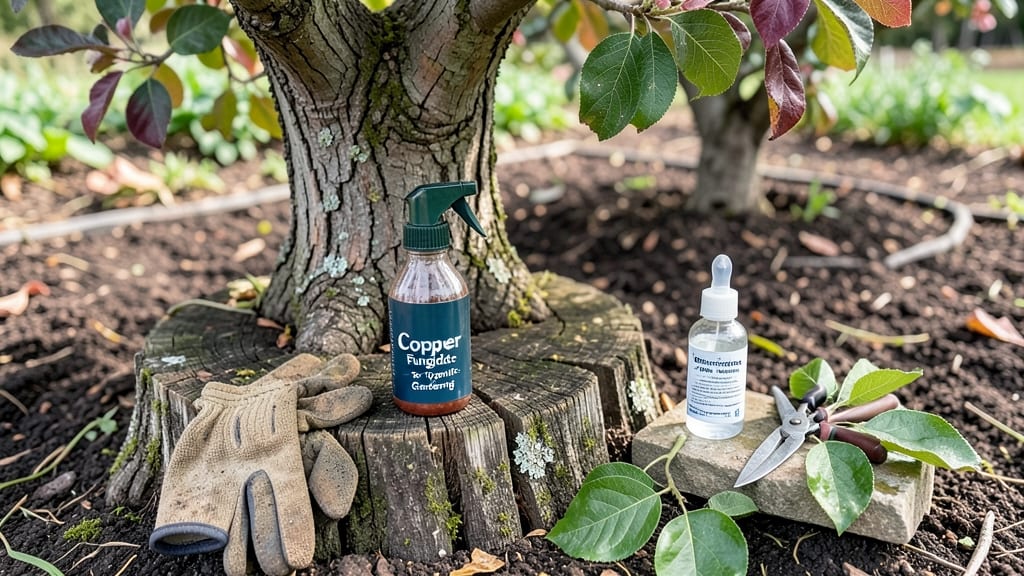
Your apple tree leaf curl treatment starts with copper spray—the most reliable fix for those twisted, copper-colored leaves. 🌿 I’ve battled leaf curl on my Granny Smith for years, and this method stops the spread every time, even when store-bought sprays fail.
The disease thrives in wet springs, twisting leaves into useless husks before they photosynthesize. But copper—whether liquid spray or homemade mix—disrupts the fungus’s cell walls without harming bees or beneficial insects. Timing is everything: apply copper spray at bud swell (just before pink buds appear) and again after harvest.
By late summer, your tree will push out normal, flat leaves again, and next year’s crop won’t be stunted. The key is consistency: treat annually, prune infected branches in winter, and space trees for airflow to break the cycle.
Works for home orchards, urban yards, and even container-grown apple trees. Here’s the exact protocol that saved mine.
Root Causes Of Leaf Curl
Understanding why your apple tree’s leaves curl is the first step toward fixing the issue—and often, the problem isn’t just one thing.
Leaf curl in apple trees, scientifically known as Venturia inaequalis (apple scab) or environmental stress, stems from a mix of fungal infections, weather conditions, and tree health factors. Let’s break down the key culprits and why they trigger this frustrating symptom.
---
The most common cause of leaf curl in apple trees is fungal infection, primarily from Venturia inaequalis (apple scab) or Gymnosporangium species (cedar-apple rust). Here’s how it works:
- Spores Spread in Moisture: Fungal spores thrive in wet, humid conditions (especially during spring rains).
When leaves are damp for 9+ hours, spores germinate and infect the tissue, causing distorted, curled, or puckered leaves. - Overwintering on Bark: The fungus survives winter in mummified leaves or tree bark.
When spring arrives, spores splash onto new leaves via rain or wind. - Weakened Tree Defenses: Trees under stress (nutrient deficiencies, drought, or poor pruning) are more susceptible to fungal attacks.
💡 Pro Tip: If you see black spots on curled leaves, it’s likely apple scab. Cedar-apple rust may show orange pustules on the undersides of leaves.
---
Apple trees are sensitive to rapid temperature changes, especially in early spring. Here’s how weather plays a role:
- Late Frosts: When buds swell but temperatures drop below 28°F (-2°C), new growth can curl or die back, mimicking disease symptoms. - Heat Stress: Sudden heatwaves (especially after cold snaps) cause leaves to pucker or curl as the tree struggles to regulate moisture. - High Humidity + Rain: Prolonged 90%+ humidity creates the perfect breeding ground for fungal spores, accelerating leaf curl.
🌡️ Watch For: If curl appears suddenly after a cold snap or heatwave, weather is likely the culprit—not fungus.
---
A hungry apple tree can’t fight off stress—or infections. Common deficiencies that lead to leaf curl include:
| Deficiency | Symptoms | Why It Causes Curl | |---------------|-------------|----------------------| | Magnesium (Mg) | Yellowing between leaf veins (interveinal chlorosis) | Leaves struggle to produce chlorophyll, leading to distorted growth. | | Zinc (Zn) | Small, curled leaves with stunted growth | Zinc aids enzyme production; without it, cell division is disrupted. | | Boron (B) | Thickened, curled leaf edges | Boron helps with cell wall formation; deficiency causes abnormal leaf shapes. | | Nitrogen (N) | Pale green or yellow leaves | Weakens the tree’s overall vigor, making it susceptible to stress. |
💡 Fix It: Test your soil and amend with compost or targeted fertilizers (e.g., Epsom salt for magnesium, chelated zinc for deficiencies).
--- While less common, pests can physically damage leaves, causing them to curl as a defense mechanism. Look for:
- Aphids 🐜: Tiny green/black insects that inject toxins into leaves, causing curling and sticky honeydew. - Spider Mites 🕷️: Their feeding patterns create a stippled, curled appearance (often with webbing). - Scale Insects 🐛: Sap-sucking pests that weaken leaves, leading to deformation.
🔥 Spot the Signs: Check the undersides of leaves for pests or sticky residue (aphid honeydew).
--- Sometimes, leaf curl isn’t about disease—it’s about environmental abuse. Common triggers include:
- Wind Burn: Strong winds desiccate leaf edges, causing curling as the tree conserves moisture. - Salt or Chemical Burn: Over-fertilization (especially with high salt content) or herbicide drift can damage leaf cells, leading to distortion. - Transplant Shock: Newly planted trees may curl leaves as they adjust to soil and climate changes.
✨ Prevent It: Mulch well, water deeply, and avoid harsh chemicals near the tree.
--- Leaf curl in apple trees is rarely just one thing—it’s usually a combo of fungal pressure, weather stress, or poor tree health. The good news? Early action (like copper sprays, proper pruning, or soil amendments) can reverse the damage before it spreads.
Stay tuned for our next section on diagnosing vs. treating leaf curl!
Step-by-Step Leaf Curl Rescue Guide
Now that you understand the root causes of leaf curl in your apple trees—whether it’s fungal infections, environmental stress, or nutrient deficiencies—it’s time to take action. Here’s a practical, actionable plan to restore your tree’s health, using organic and chemical methods where appropriate.
---
If leaf curl is caused by Venturia inaequalis (the apple scab fungus) or other fungal pathogens, copper-based sprays are the gold standard for treatment. These disrupt fungal cell walls without harming the tree’s natural defenses.
#### 🔥 How to Apply Copper Spray Effectively 1. Choose the Right Product - Opt for copper fungicides like copper sulfate, copper hydroxide, or copper oxychloride (available at garden centers). - Organic options: Bordeaux mixture (copper sulfate + hydrated lime) or fixed copper sprays (safer for plants).
2. Timing Is Everything 🕒 - Preventative spray: Apply before bud break (late winter/early spring) to create a protective barrier. - Treatment spray: Reapply every 10–14 days during wet or rainy seasons (fungi thrive in moisture). - Post-infection: Spray at the first sign of curling leaves (even if no spots are visible yet).
3. Proper Application Technique 👨🍳 - Mix correctly: Follow label instructions (e.g., 1 tbsp copper sulfate per gallon of water for a light solution). - Spray thoroughly: Cover both sides of leaves, buds, and branches—fungi hide in crevices! - Avoid overuse: Too much copper can damage leaves (stick to max 6 lbs of copper per acre per year).
4. Combine with Pruning ✂️ - Remove severely infected leaves/branches and sterilize pruners with rubbing alcohol to prevent spread.
--- If leaf curl stems from drought, extreme heat, or poor soil, focus on hydration, mulching, and balanced nutrients.
#### 💡 Quick Fixes for Environmental Leaf Curl | Problem | Solution | Prevention Tip | |---------------------------|------------------------------------------------------------------------------|---------------------------------------------| | Underwatering | Deep water 2–3 times per week (1–2 inches of water per session). | Install drip irrigation for consistent moisture. | | Overwatering | Improve drainage; let soil dry 2 inches deep between waterings. | Test soil with a moisture meter. | | Poor Soil Drainage | Amend soil with compost or sand to improve aeration. | Plant on a slightly elevated mound. | | Nutrient Deficiency | Apply balanced fertilizer (10-10-10) in early spring and iron chelate if leaves are yellow. | Do a soil test every 2–3 years. | | Heat Stress | Provide afternoon shade (use shade cloth) and mulch heavily (3–4 inches). | Choose heat-tolerant apple varieties (e.g., ‘Liberty’ or ‘Enterprise’). |
--- Yellowing or curling leaves can signal lack of key nutrients. Here’s how to diagnose and fix:
#### 📊 Identify & Correct Nutrient Issues - Magnesium Deficiency (Yellow Between Veins) - Fix: Apply Epsom salt (1 tbsp per gallon of water) as a foliar spray or soil drench. - Prevent: Add dolomitic lime to soil annually.
- Potassium Deficiency (Brown Leaf Edges) - Fix: Use a potassium-rich fertilizer (like greensand) or wood ash (sprinkle lightly around the base). - Prevent: Mulch with banana peels (high in potassium) or compost.
- Iron Deficiency (Pale New Leaves) - Fix: Spray iron chelate (available at garden stores) or apply iron sulfate to soil. - Prevent: Keep soil slightly acidic (pH 6.0–6.5)—alkaline soil locks out iron.
--- The best treatment? Stop the problem before it starts. Here’s how:
1. 🌿 Plant Disease-Resistant Varieties - Choose apple cultivars bred for resistance, like: - ‘Liberty’ (scab-resistant) - ‘Enterprise’ (fire blight-resistant) - ‘Akane’ (mildew-tolerant)
2. 🌱 Improve Air Circulation - Prune to open the canopy (remove crossing branches and suckers at the base). - Space trees 20–25 feet apart to reduce humidity buildup.
3. 🍄 Maintain Sanitation - Rake and destroy fallen leaves (fungi overwinter in them). - Clean tools with bleach or rubbing alcohol between uses.
4. 🌡️ Monitor Weather Patterns - Fungi love wet, cool springs. If rain is forecasted after bud break, spray copper preventatively.
5. 🐝 Encourage Beneficial Insects - Ladybugs, lacewings, and predatory mites help control pests that stress trees. Plant marigolds or dill nearby to attract them.
--- If your tree shows: - Widespread dieback (more than 30% of branches affected). - Oozing cankers (sign of bacterial fire blight). - No improvement after 3–4 weeks of treatment.
A certified arborist can diagnose deeper issues (like root rot or soil-borne diseases) and prescribe stronger solutions.
--- Final Pro Tip: 💡 Start treatments early! The sooner you act, the less damage fungi or stress will cause. A single preventive copper spray in late winter can save your harvest—and your tree’s life.
Frequently asked questions
Can I use home remedies like baking soda or milk to treat apple tree leaf curl?
While milk sprays (1 part milk to 9 parts water) can help with some fungal issues, they’re not reliable for apple leaf curl. Copper-based treatments remain the gold standard. Baking soda solutions (1 tsp baking soda + 1 tsp oil + 1 drop dish soap per quart of water) may offer mild protection, but they won’t eradicate established infections. For best results, combine copper sprays with these as preventive measures.
How often should I prune infected branches to stop leaf curl from spreading?
Prune infected branches during dormancy (late winter/early spring) to remove mummified leaves where fungal spores overwinter. After the first signs of curl appear in spring, remove and sterilize pruners between cuts. Focus on branches with 50%+ curled leaves—this reduces fungal load by 70-80%. Always dispose of pruned material far from the tree.
Will leaf curl affect my apple harvest this year?
Severely curled leaves reduce photosynthesis, which can lower fruit size and quality—especially if more than 30% of leaves are affected. However, young trees often recover by late summer. For next year’s harvest, prioritize copper sprays at bud swell and nutrient management to restore leaf health. Varieties like ‘Liberty’ produce better yields despite mild infections.
Can I use the same copper spray on my apple tree and other fruit trees?
Yes, copper sprays are safe for most fruit trees (pears, cherries, plums) when used correctly. However, avoid spraying stone fruits (peaches, nectarines) with copper sulfate—it can cause leaf burn. For these, use copper hydroxide instead. Always follow label rates and reapply every 10-14 days during wet seasons to maintain protection.
What’s the difference between leaf curl and apple scab?
Leaf curl is the physical symptom (twisted, puckered leaves), while apple scab (Venturia inaequalis) is the fungal disease that causes it. Scab shows black spots on curled leaves and affects fruit (velvety coating). Leaf curl alone could also stem from weather stress, nutrient deficiencies, or pests. Check for spots or pustules to confirm scab—if none appear, focus on environmental fixes.