
Featured
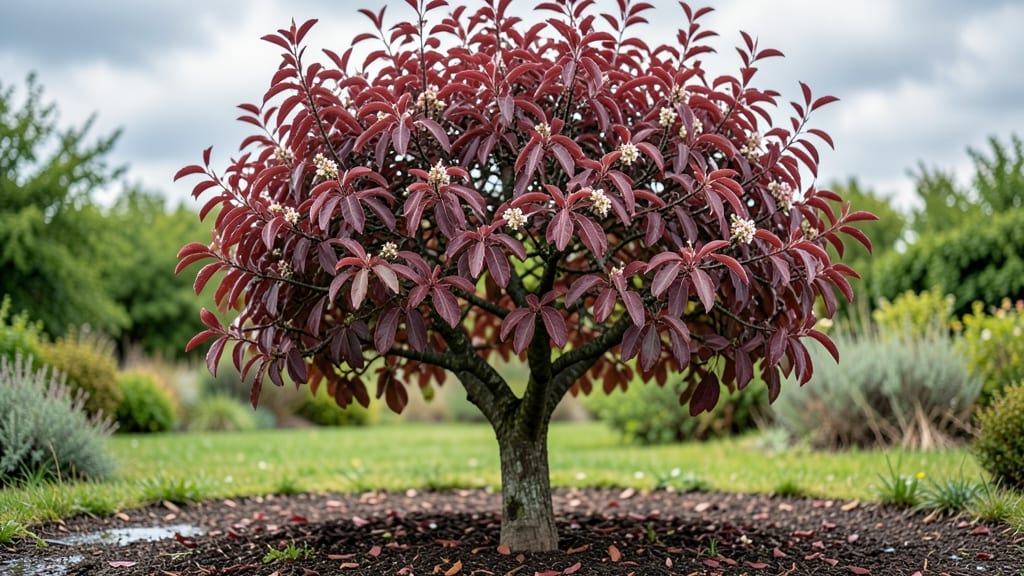
Your pear tree’s bold red leaves might look stunning, but they’re often a cry for help—not a natural beauty. 🌿 I’ve seen this happen after a harsh winter, when soil gets depleted, or when diseases sneak in, and the good news is you can fix it with simple steps that keep your tree thriving and colorful.
Red leaves usually mean one of three things: nutrient hunger (especially iron or magnesium), environmental stress (like drought or scorch), or a sneaky disease like fire blight.
The key is checking the pattern—are the leaves uniformly red, or is it just the veins? That tells you exactly what’s wrong and how to act fast.
With the right soil tweaks, targeted pruning, and a few preventative habits, you’ll restore those leaves to their usual lush green and keep them vibrant year-round. No fancy tools or green thumb required—just a sharp eye and a little patience.
We’ll walk through how to diagnose the problem, fix it for good, and even prevent it from happening again. Your tree will thank you with stronger branches, better fruit, and leaves that stay green when they’re supposed to.
Understanding Red Leaves On Pears
If your pear tree is sporting vibrant red leaves when it shouldn’t—or when you didn’t expect it—there’s usually a scientific reason behind the color shift. While some causes are harmless, others may signal stress or disease.
Let’s break down the most common triggers for unexpected red foliage in pear trees, so you can diagnose the issue and take action.
Pear trees are sensitive to extreme environmental conditions, and sudden changes in temperature or light can trigger red pigmentation in leaves. This phenomenon is often linked to anthocyanin production, a natural antioxidant that helps protect leaves from UV damage or cold stress.
- Cold snaps or early frost: When temperatures drop unexpectedly, pear trees may produce red pigments as a defense mechanism. This is common in late fall or early spring when nights are chilly but days remain warm.
- Intense sunlight exposure: If your tree is suddenly exposed to more direct sunlight—such as after a nearby structure is removed or after pruning opens up the canopy—leaves may turn red as a response to increased UV radiation.
- Heatwaves: High temperatures can also stress pear trees, causing leaves to develop red or purple hues, especially in varieties like Kieffer or Seckel pears, which are prone to color changes under stress.
What to do: If the red leaves appear after a temperature shift, monitor your tree closely. Mulching around the base can help regulate soil temperature, and providing afternoon shade during heatwaves may reduce stress.
Water and nutrient deficiencies—or even excesses—can cause pear trees to produce red leaves as a distress signal. Unlike yellowing (chlorosis), which indicates iron or magnesium issues, red leaves often point to problems with phosphorus, potassium, or overall hydration.
- Underwatering or drought stress: When soil moisture drops too low, pear trees may develop red or purple leaves as a way to conserve water and protect chlorophyll. This is especially common in sandy or well-draining soils.
- Overwatering or poor drainage: While less common, excessive moisture can lead to root suffocation, cutting off nutrient uptake and causing red discoloration, particularly in container-grown pear trees.
- Nutrient deficiencies:
- Phosphorus deficiency: Leaves may turn dark red or purple, particularly along the veins.
- Potassium deficiency: Red or brown spots may appear on leaf edges, often accompanied by curling.
- Magnesium or calcium imbalances: While these usually cause yellowing, severe cases can lead to red-tinged leaves, especially in acidic soils.
What to do:
- Check soil moisture by inserting your finger 2-3 inches deep—if it’s dry, water deeply at the base of the tree.
- Test your soil’s pH and nutrient levels with a home kit or send a sample to a local extension office. Pear trees thrive in slightly acidic to neutral soil (pH 6.0–7.0).
- Apply a balanced 10-10-10 fertilizer in early spring if phosphorus or potassium levels are low, following package instructions.
While red leaves aren’t always a sign of disease, certain pathogens and pests can trigger color changes as part of their attack strategy. The most common culprits include fire blight, powdery mildew, and spider mites, which all induce stress responses in the tree.
- Fire blight (Erwinia amylovora): This bacterial disease causes leaves to turn red, brown, or black while wilting and curling. It often starts at the tips of branches and spreads downward. Fire blight also produces a sticky, oozing sap.
- Powdery mildew (Podosphaera leucotricha): While this fungal disease typically causes white, powdery patches, severe infections can stress the tree enough to induce red or purple hues, especially in young leaves.
- Spider mites: These tiny pests suck sap from leaves, causing stippling, yellowing, and—under heavy infestation—reddish or bronze discoloration. Check the undersides of leaves for fine webbing.
- Pear leaf blister (Taphrina kerczekiana): This fungal disease causes raised, blister-like spots on leaves that can turn red or purple before falling prematurely.
What to do:
- If you suspect fire blight, prune infected branches 6 inches below the last sign of disease and sterilize tools with rubbing alcohol. Dispose of pruned material in sealed bags.
- For powdery mildew, apply a fungicide like neem oil or baking soda spray (1 tbsp baking soda + 1 quart water + a drop of dish soap) every 7–10 days.
- Combat spider mites with a strong spray of water or insecticidal soap. Repeat every 3–5 days until the infestation clears.
Not all red leaves are a cause for concern! Some pear varieties naturally produce red or purple foliage, especially in spring or fall, as part of their genetic makeup. Additionally, young leaves and new growth often exhibit red or bronze hues before maturing to green.
- Cultivar-specific coloration: Varieties like Red Clapp’s Favorite, Red Bartlett, or Orin pears are known for their red-tinged leaves, particularly in cooler weather.
- Seasonal flush: In early spring, pear trees may produce red or maroon leaves as they break dormancy. This is normal and will fade as temperatures rise.
- Age-related changes: Older pear trees or those recovering from stress (e.g., after pruning or transplanting) may briefly display red leaves as they adjust.
What to do: If your pear tree’s red leaves align with its known traits or seasonal patterns, simply observe it over time. No intervention is needed unless the leaves also show signs of wilting, curling, or premature drop.
While some red leaves are harmless, others may indicate serious problems. Contact a local arborist or extension service if you notice:
- ✅ Leaf drop accompanied by red or blackened foliage (possible fire blight).
- ✅ Sticky, oozing sap on branches or leaves.
- ✅ Yellowing between veins (chlorosis) paired with red edges (nutrient deficiency).
- ✅ Curling or deformed leaves with red spots (pest infestation).
- ✅ Red leaves persisting into summer without fading (chronic stress or disease).
Revitalize Your Pear Tree’s Foliage
If your pear tree’s leaves have turned an unexpected red, don’t panic—there are practical ways to restore their lush green (or keep that stunning hue year-round!). Below, we’ve mapped out cause-specific fixes, from quick adjustments to long-term care, so you can bring back balance without overhauling your garden.
Red leaves often signal a lack of key nutrients. Here’s how to diagnose and fix it:
🔥 Step 1: Test Your Soil
Use a DIY soil test kit (or send a sample to a local extension office) to check pH and nutrient levels. Pear trees thrive in slightly acidic to neutral soil (pH 6.0–7.0). If levels are off, adjust before fertilizing.
🍳 Step 2: Apply the Right Fertilizer
Depending on the deficiency, try these:
- Nitrogen (for yellowing with red veins): Use a balanced 10-10-10 fertilizer in early spring or a slow-release organic option like composted manure.
- Iron (for pale red/yellow leaves): Sprinkle chelated iron granules around the root zone or use an iron sulfate spray (follow label rates).
- Magnesium (for red edges): Mix Epsom salt (1 tbsp per gallon of water) and drench the soil monthly until leaves recover.
👨🍳 Step 3: Feed the Roots Right
Top-dress the tree with 2–3 inches of compost in early spring and after harvest. Avoid over-fertilizing—it can burn roots and worsen stress.
💡 Pro Tip:
For organic solutions, mix kelp meal (for micronutrients) or worm castings into the soil. These release nutrients gradually and improve soil structure.
Sunburn or shade stress can trigger reddening. Here’s how to fix it:
🔥 Step 1: Assess the Location
Pear trees need 6–8 hours of sunlight daily. If leaves are red on south/west-facing sides, they’re likely sun-scorched. If red on north/east sides, they’re underlit.
🍳 Step 2: Provide Shade or Sun Strategically
- For sunburn: Install a lightweight shade cloth (30–50%) on the hottest side during peak summer (11 AM–3 PM). Remove it in fall to allow sunlight for fruit production.
- For shade stress: Thin nearby trees/shrubs to open up the canopy or transplant the pear tree to a sunnier spot (if possible).
⏰ Step 3: Water Deeply to Reduce Stress
Drought-stressed trees turn red faster. Water deeply 1–2 times per week (1–2 inches per session) during dry spells. Use mulch (straw or wood chips) to retain moisture.
🌡️ Pro Tip:
If relocating isn’t an option, prune lower branches to improve airflow and light penetration to the inner canopy.
Fungal infections (like fire blight) or pests (e.g., spider mites) can cause reddening. Here’s how to tackle them:
🔥 Step 1: Identify the Culprit
Check for:
- Fire blight: Blackened, oily leaves with red/orange edges (often on new growth).
- Spider mites: Tiny red/yellow spots on leaves, webbing on undersides.
- Scale insects: Sticky residue (honeydew) and red/brown bumps on stems.
🍳 Step 2: Treat Accordingly
| Problem | Solution |
|---|---|
| Fire blight | Prune infected branches 6–12 inches below damage with sterilized shears. Apply copper fungicide in spring/fall. |
| Spider mites | Spray leaves with neem oil (1 tsp per quart of water) or water blast to knock off mites. Repeat every 5–7 days. |
| Scale insects | Scrape off visible bugs with a soft brush. Apply horticultural oil in dormant season (late fall/winter). |
💡 Pro Tip:
For prevention, prune in dry weather (not rainy) to reduce fungal spread, and avoid overhead watering to keep leaves dry.
Red leaves can be a natural (but temporary) response to seasonal changes. Here’s how to support your tree:
🍂 Fall/Winter: Prepare for Dormancy
If leaves turn red in autumn, it’s often a sign of cold acclimation. To help:
- Apply a 2–3 inch mulch layer around the base (but not touching the trunk) to insulate roots.
- Avoid fertilizing—trees rest in winter.
- Water sparingly (only if soil is dry) to prevent root rot.
🌸 Spring: Wake Up the Tree Gently
If red leaves persist into spring, they may signal late-winter stress. Revive it with:
- A light application of compost around the drip line.
- A foliar spray of seaweed extract (for micronutrients and stress relief).
- Prune dead or crossing branches to encourage new growth.
✨ Pro Tip:
For year-round color, choose a cultivar like ‘Kieffer’ or ‘Seckel’, which naturally develop red/purple foliage in cooler weather—no extra work needed!
With these targeted fixes, your pear tree should bounce back to vibrant green (or keep its stunning seasonal hues) with minimal effort. The key? Observe, test, and adjust—your tree will thank you with healthier leaves and better fruit!
Frequently asked questions
Are red leaves on my pear tree always a sign of trouble?
Not necessarily! Some pear varieties like Red Clapp’s Favorite naturally develop red or purple foliage, especially in cooler weather. Young leaves and seasonal flushes (like early spring) may also show red hues before turning green. Only worry if leaves are wilting, curling, or dropping prematurely.
How can I tell if my pear tree’s red leaves are from sunburn or nutrient deficiency?
Check the pattern: Sunburn causes reddening on south/west-facing leaves with crispy edges, while nutrient issues often show as uniform red/purple coloring across entire leaves. For deficiencies, look for yellowing between veins (iron/magnesium) or red edges (potassium).
Will pruning help fix red leaves caused by disease?
For fire blight, prune 6 inches below infected areas with sterilized shears, then dispose of clippings in sealed bags. For fungal issues like powdery mildew, prune to improve airflow—just avoid wet conditions. Always sterilize tools between cuts to prevent spreading pathogens.
Can I use Epsom salt to fix red leaves from magnesium deficiency?
Yes! Mix 1 tablespoon of Epsom salt per gallon of water and drench the soil monthly until leaves recover. For faster results, spray the solution directly on leaves (early morning/evening). Test soil first—pear trees prefer pH 6.0–7.0, and Epsom salt works best in slightly acidic conditions.
How long does it take to see improvement after treating red leaves?
With proper care, you’ll often see new green growth within 2–4 weeks. Nutrient fixes (like Epsom salt) work faster than disease treatments, which may take 4–6 weeks for full recovery. Monitor progress and adjust treatments if red leaves persist beyond this timeframe.