
Planting
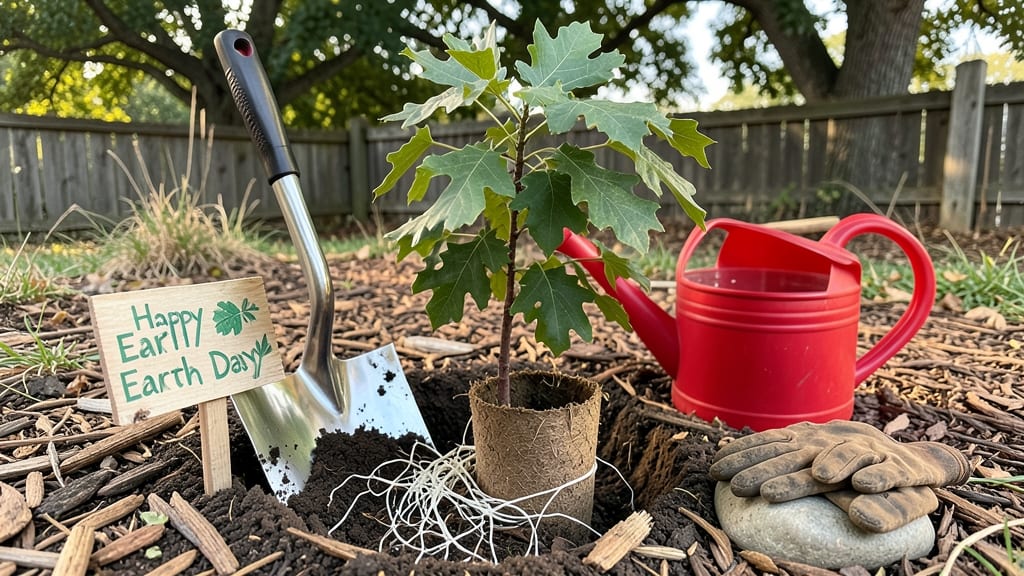
Planting a tree on Earth Day isn’t just about the moment—it’s about the decades of shade, oxygen, and life your single act will support. 🌱 I’ve planted trees for Earth Day for years, and every sapling feels like a promise to the future, whether it’s a fast-growing willow or a sturdy oak that’ll outlast me.
The best part? You don’t need a backyard—contribute to community projects, school gardens, or even urban forests where space is tight but impact isn’t.
Start with the right tree for your climate and space. Native species like red maples or serviceberries thrive with minimal care, while fruit trees add bonus harvests. Grab a shovel, some compost, and a watering can—no fancy tools needed.
The real secret is timing: plant when soil is workable (not frozen or waterlogged) and roots can settle before summer heat hits. Most nurseries offer Earth Day specials, so check local listings for discounted saplings.
What you’ll gain is more than just a tree—it’s cleaner air, cooler streets, and a habitat for birds and bees. My first Earth Day planting led to a neighborhood tree-mapping project where we tracked growth every spring.
Kids love measuring height with sticks, and neighbors bond over shared green spaces. The best part? Trees planted on Earth Day become landmarks, reminding everyone that small actions grow into big change.
For maximum impact, team up with others—whether it’s a school group, local park crew, or even just a friend. Bring gloves, water, and mulch to make the day efficient and fun. And if you can’t plant yourself, donate to organizations like the Arbor Day Foundation that do it for you.
Every tree counts, but planting together makes the roots run deeper—both literally and in community.
📚 In This Guide
- What you need
- Instructions
- Tips and common mistakes
- Wrapping up and next steps
What you need
- ● Tree sapling: Choose a native, disease-resistant species (e.g., oak, maple, or fruit trees). Quantity: 1 per planting site.
- ● Shovel: A sturdy digging spade (16–20 inches long) for medium-sized holes.
- ● Garden gloves: Heavy-duty, water-resistant gloves to protect your hands.
- ● Watering can or hose: With a gentle spray nozzle for post-planting care.
- ○ Mulch: Shredded bark, wood chips, or compost (2–4 inches thick). Optional: Add a mulch ring to keep it contained.
- ○ Tree stake (optional): 1–2 stakes (4–6 feet tall) + soft tree ties if planting in windy areas.
- ● Location: A spot with 6+ hours of sunlight (check your tree’s needs!), well-draining soil, and 5+ feet of clearance from structures.
- ○ Soil test (optional but helpful): A basic pH test kit to ensure your soil is tree-friendly (aim for 6.0–7.0).
- ● Permit check: Verify if your area requires approval for planting (especially for large trees).
- ● Weather window: Plant on a cool, cloudy day (avoid extreme heat or frost).
- ● 🌡️ Timing: Early spring or fall (before Earth Day if possible!) gives roots time to establish.
- ● ✨ Tools to borrow: Check local community gardens or hardware stores for free/rental equipment.
- ● 🎯 Kids’ help: Let them decorate a small wooden stake with markers as a fun planting marker!
Step-by-step instructions for planting your Earth Day tree
Here's how to plant a tree that will grow strong and celebrate Earth Day for years to come.
🌱 Step 1: Choose the Right Tree and Location
Pick a tree native to your area—it'll thrive with less care and support local wildlife. I always check with my local extension office for recommendations that match my climate and soil type. For Earth Day, consider a fast-growing species like a red maple or serviceberry so you see quick results.
Find a spot with 6+ hours of sunlight daily and room for mature growth. Measure the tree's spread at maturity and mark a circle 3 feet beyond that on all sides. Avoid planting near sidewalks or driveways unless you're prepared to prune regularly. Dig a small hole and drop a 1-inch diameter stick vertically into the center—this marks your planting spot.
🪴 Step 2: Prepare the Hole and Soil
Dig a hole twice as wide as the root ball but no deeper. Loosen the soil at the bottom with a shovel or your hands—this prevents compaction that can strangle roots. I like to add a handful of compost to the bottom of the hole, mixing it with native soil to give the tree a nutrient boost right away.
Gently remove the tree from its container, loosening any circling roots with your fingers. If the roots are tightly bound, score the root ball with a knife to encourage outward growth. Place the tree in the hole so the top of the root ball sits 1-2 inches above ground level—this prevents water from pooling around the trunk.
☀️ Step 3: Backfill and Water Thoroughly
Fill the hole with native soil, tamping it down gently to remove air pockets. I avoid amended soil here—too much compost or fertilizer can burn young roots. Water the tree deeply as you backfill, letting the water settle each layer. The goal is to eliminate air gaps while keeping the root ball stable.
Create a 3-foot diameter watering basin around the base by mounding soil slightly higher than the surrounding area. This helps direct water to the roots where it's needed most. After planting, water again until the soil is 6-8 inches deep feels evenly moist. You'll know it's right when water runs out the sides of your basin but doesn't pool.
✂️ Step 4: Mulch and Protect the New Plant
Spread 2-3 inches of mulch in the watering basin, keeping it 6 inches away from the tree trunk. Organic mulch like wood chips breaks down over time, improving soil structure. I never use rocks or plastic mulch—they don't feed the soil and can overheat roots in summer.
Stake the tree only if it's top-heavy or in a windy location. Use soft ties to attach the trunk to the stake, leaving room for growth. Water the tree once a week for the first month, then adjust based on rainfall. You'll see new leaves emerge within 4-6 weeks—that's your sign the tree is settling in.
🌿 Step 5: Monitor and Care for Long-Term Growth
Check the tree monthly for signs of stress like yellowing leaves or wilting. If you see these, water deeply and adjust your schedule. I always water in the morning so leaves dry quickly—wet foliage invites fungal diseases. Fertilize only in the second year with a slow-release, balanced formula.
Prune only to remove dead or crossing branches in the first year. Use clean, sharp pruners and make cuts just outside the branch collar. Celebrate your tree's progress by marking its height annually with a stake. Within 3-5 years, you'll have a thriving tree that outlives you—and that's the real Earth Day gift.
Tips & tricks for perfect Earth Day tree planting
Here's what nobody tells you about planting a tree that'll actually thrive for decades.
Native Trees Are Non-Negotiable: I can't stress this enough—non-native trees often struggle with pests, diseases, and soil conditions. Call your local extension office for species tailored to your hardiness zone. For example, red maples thrive in zones 3-9, while serviceberries prefer zones 4-8. This single choice determines whether your tree survives or becomes a sad statistic.
Sunlight and Space Are Your New Best Friends: That 6+ hours of sunlight isn't just a suggestion—it's the minimum for most trees to photosynthesize properly. I've seen people plant shade trees in full sun and wonder why they struggle. Also, mark that 3-foot buffer around the tree's mature spread with stakes or spray paint before digging. You'll thank yourself when you don't have to prune branches against your house later.
Root Care Starts Before You Even Dig: The moment you remove the tree from its container, check for circling roots—they're like little nooses that strangle the tree. If you see them, score the root ball with a knife every 2-3 inches to encourage outward growth. This simple step prevents root girdling, which can kill trees within years. And remember: that 1-2 inch elevation above ground level isn't just for looks—it prevents water from pooling around the trunk.
Watering Wisdom That Actually Works: That 6-8 inch deep watering isn't about guessing—use a trowel to check moisture. The soil should feel evenly moist but not soggy. I've seen people overwater and create anaerobic conditions that rot roots. After planting, water again until it runs out the sides of your 3-foot basin. This ensures water penetrates deeply where roots need it most.
Pro Tips for Plant A Tree On Earth Day
- Here's what nobody tells you about planting a tree that'll actually thrive for decades.
- Native Trees Are Non-Negotiable: I can't stress this enough—non-native trees often struggle with pests, diseases, and soil conditions.
- Sunlight and Space Are Your New Best Friends: That 6+ hours of sunlight isn't just a suggestion—it's the minimum for most trees to photosynthesize properly.
Frequently asked questions
about planting a tree on Earth Day—because every question deserves a green thumbs-up!What’s the best type of tree to plant for Earth Day?
Choose native species! They thrive in your local climate, support wildlife, and require less water. Fast-growing options like red maple or swamp white oak are great for quick impact. Check with local nurseries or conservation groups for region-specific recommendations.
When is the exact best time to plant a tree on Earth Day?
Earth Day (April 22) is ideal for temperate climates—spring showers help roots establish. In colder regions, wait until after the last frost (late April–May). Avoid extreme heat or drought. Pro tip: Plant in the morning or evening to reduce stress on the tree.
Can I plant a tree for free, or are there hidden costs?
Yes! Many cities and nonprofits offer free saplings on Earth Day (e.g., through Arbor Day Foundation). Costs may include soil amendments, mulch, or tools. Check local events—some even provide free planting workshops!
What if I don’t have a yard—can I still participate?
Try:
- Community gardens (ask local groups)
- Urban planters (dwarf trees like Japanese maple work well)
- Virtual planting—donate to reforestation projects (e.g., One Tree Planted)
My tree isn’t growing—what went wrong?
Common fixes:
Issue
Solution
Yellow leaves
Overwatering or poor drainage. Let soil dry slightly between waterings.
Wilted or drooping
Underwatering or root damage. Mulch to retain moisture and check for pests.
No new growth
Insufficient sunlight or nutrients. Move to a sunnier spot or fertilize lightly.
Wrapping up and next steps
Planting a tree on Earth Day isn’t just an act of kindness—it’s a powerful step toward healing our planet. Every seed you sow today grows into a legacy of cleaner air, thriving ecosystems, and hope for future generations.
Whether you’re a gardening pro or a beginner, your effort makes a difference.
Ready to take action? Start small:
- 🌱 Pick a spot—sunny, shaded, or somewhere in between.
- 🌿 Plant with care—follow the steps, and watch it grow!
- 🌍 Share the joy—inspire others to join the movement.