
Blooming
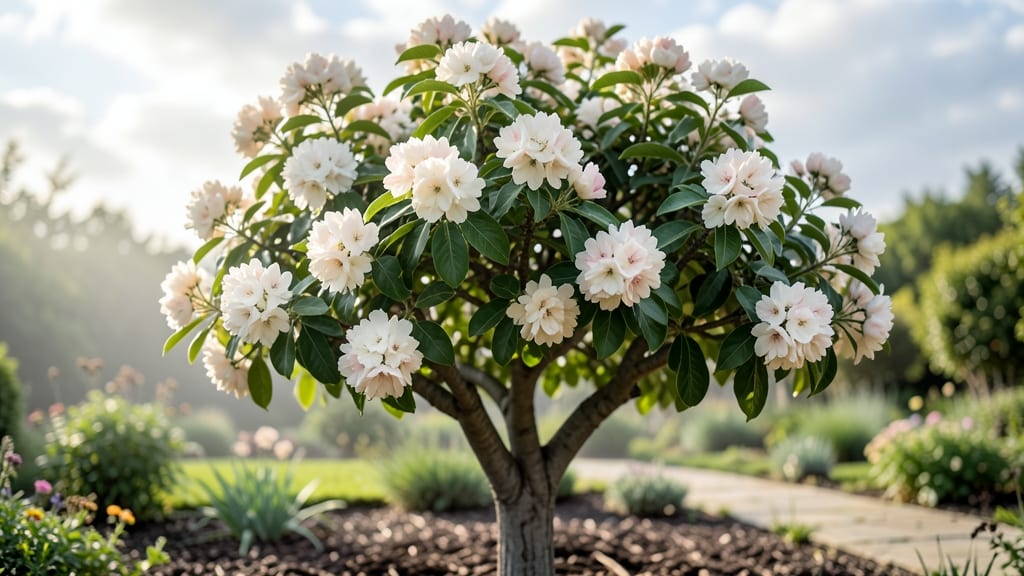
A quince tree in bloom turns your garden into a fragrant spring paradise that outshines even the most prized orchards. 🌸 The delicate, blush-pink blossoms create a dreamy canopy that smells like honeyed sunshine—something I’ve never found in any other tree.
What makes it magical is how effortlessly it blends beauty with function, offering both stunning flowers and edible fruit later in the season.
This isn’t just a pretty face—quince thrives in full sun to partial shade and handles most soil types, making it the perfect low-maintenance star for borders, focal points, or even small urban yards.
Pair it with lavender for a fragrant hedge or plant near a patio where you can sip tea beneath its blossoms. The scent alone makes it worth growing, but the autumn fruit adds a bonus harvest of golden, fragrant quince for preserves.
By late spring, your tree will be a cloud of blossoms, drawing bees and butterflies while filling the air with a fragrance that lingers long after the flowers fade. The secret to keeping it looking its best?
Prune lightly in late winter to encourage sturdy branches and remove any dead wood. With just a little care, your quince becomes the garden’s most talked-about feature—year after year.
Whether you’re designing a cottage garden, a modern landscape, or a fragrant retreat, a quince tree delivers drama, scent, and seasonal interest without the fuss. It’s the kind of plant that makes neighbors pause and ask, “What is that incredible smell?”—and the answer is always “My quince.”
📚 In This Guide
- What you need
- Instructions
- Tips and common mistakes
- Wrapping up and next steps
What you need
- ● Quince tree (Cydonia oblonga): Choose a dwarf variety (6–10 ft) for small spaces or a standard variety (15–20 ft) for full bloom impact. Opt for self-pollinating cultivars like ‘Issai’ or ‘Meech’ for easier care.
- ○ High-quality potting soil or native soil: Mix with compost (50% soil, 50% compost) for nutrient-rich planting. Optional: Add perlite or sand (10–20%) for drainage.
- ○ Organic fertilizer: 10-10-10 NPK ratio (e.g., fish emulsion or bone meal) for initial planting. Optional: Slow-release granules for long-term growth.
- ● Mulch: 3–4 inches of wood chips or straw to retain moisture and suppress weeds.
- ● Shovel or trowel: For digging planting holes (12–18 inches wide/deep).
- ● Pruning shears: Bypass type (for clean cuts) to shape the tree post-planting.
- ● Garden hose or watering can: With a spray nozzle for gentle watering.
- ● Gloves: Heavy-duty gardening gloves to protect hands from thorns.
- ○ Stake & ties (optional): For young trees in windy areas (1–2 stakes, 6 ft tall).
- ● Sunlight: 6+ hours of full sun daily (partial shade tolerated but reduces bloom intensity).
- ● Climate zone: USDA Zones 5–9 (quince trees thrive in temperate regions).
- ● Well-draining soil: pH 6.0–7.5. Test soil with a home kit if unsure.
- ● Patience: Quince trees take 2–5 years to reach full bloom! 🌿
How to create a stunning quince tree in bloom
Here's how to coax your quince into a fragrant, show-stopping spring display that'll make neighbors stop and smell the roses.
🌱 Step 1: Choose the Perfect Planting Location
Quince trees thrive in full sun—at least 6-8 hours daily—so pick a south or west-facing spot in your yard. The fragrant blossoms will be most abundant when the tree gets plenty of light. I always check for afternoon shade from nearby structures or taller trees, because quince blossoms can scorch if they're suddenly exposed to hot afternoon sun after being shaded all morning.
Well-draining soil is critical. Quince trees hate soggy roots, so if your soil stays wet for more than a day after rain, amend it with 2-3 inches of compost mixed into the top 12 inches of soil. You'll see the difference in just a few weeks—healthier foliage and more abundant blooms the following spring.
☀️ Step 2: Plant at the Right Time and Depth
Spring is the best time to plant quince, as soon as the ground is workable but before new growth begins. Dig a hole twice as wide as the root ball but no deeper—quince roots prefer to sit just below the soil line. Gently loosen any circling roots with your fingers to encourage outward growth.
Place the tree so the top of the root ball sits 1-2 inches above ground level. This prevents water from pooling around the trunk. Backfill with native soil (not amended soil) and water deeply to settle everything. The soil should feel moist but not soggy—you'll see the roots settle into place within a few days.
💧 Step 3: Water Deeply and Mulch Strategically
Water the newly planted quince with 5 gallons of water immediately after planting, then again every 3-4 days until new growth appears. You'll know it's getting enough water when the soil 1 inch down feels damp but not wet. Overwatering is the fastest way to kill a quince tree—it's far more forgiving of drought than of soggy roots.
Spread 2-3 inches of organic mulch (like wood chips or straw) around the base, keeping it 6 inches away from the trunk. This conserves moisture, regulates soil temperature, and prevents weeds from competing with your tree. Refresh the mulch layer every spring—you'll notice the blossoms come in thicker and stay fragrant longer.
✂️ Step 4: Prune for Airflow and Shape
Prune your quince tree in late winter or early spring before buds swell, using clean, sharp pruners. Remove any dead, diseased, or crossing branches first—they'll rob energy from the blossoms. Then shape the tree by cutting back any branches that grow inward or rub against others. You want an open center that allows sunlight and air to reach all parts of the tree.
Thin out some of the smaller branches to reduce overcrowding—this encourages larger, more fragrant flowers. Never remove more than 25% of the tree's foliage in one season, or you'll stress the tree and delay next year's blooms. After pruning, give the tree a light watering to help it recover.
🌿 Step 5: Fertilize for Abundant Blooms
Apply a balanced, slow-release fertilizer (like 10-10-10) in early spring, just as the buds begin to swell. Follow the package instructions for application rates—over-fertilizing can lead to leafy growth at the expense of flowers. Quince trees are light feeders, so a single application in spring is usually enough.
In late summer, add a high-phosphorus fertilizer (like 5-10-5) to encourage next year's blossoms. You'll see the difference in just a few weeks—more buds forming and a stronger fragrance when they bloom. Avoid fertilizing in fall or winter, as this can stimulate new growth that won't harden off before cold weather.
Tips & tricks for perfect quince tree blooms
Want your quince tree to burst into fragrant glory every spring? Here’s how to make sure those blossoms don’t just appear—they dominate your garden.
Sunlight Strategy: The 6-8 hours of full sun mentioned in Step 1 is non-negotiable, but here’s the secret: if your yard has afternoon shade, place the tree where it gets morning sun and partial afternoon shade. Quince blossoms can scorch in intense late-day heat, so a little afternoon relief keeps them vibrant and healthy. Think of it like a sunbathing strategy—gradual exposure wins!
Soil Savvy: When amending soil with 2-3 inches of compost in Step 1, don’t just dump it in. Mix it thoroughly into the top 12 inches—this ensures roots get the nutrients they need without compacting. A quick trick: use a garden fork to loosen the soil first, then blend in the compost. Your tree’s roots will thank you with stronger blooms next season.
Watering Wisdom: The 5 gallons of water after planting in Step 3 is a great start, but here’s what nobody tells you: water slowly to avoid runoff. Let the soil absorb the water gradually—this prevents pooling around the roots. After watering, check the soil 1 inch down; if it’s soggy, hold off until it dries slightly. Quince trees are drought-tolerant, but soggy roots are their kryptonite.
Pruning Precision: In Step 4, when shaping the tree, focus on creating an open center. This isn’t just about looks—it’s about airflow. Good airflow reduces humidity around the branches, which cuts down on fungal diseases that can ruin blossoms. Thin out branches that cross or rub, and always use clean pruners to avoid spreading disease. A little pruning now means a bigger bloom show next spring.
Pro Tips for Quince Tree In Bloom
- Want your quince tree to burst into fragrant glory every spring? Here’s how to make sure those blossoms don’t just ap...
- Sunlight Strategy: The 6-8 hours of full sun mentioned in Step 1 is non-negotiable, but here’s the secret: if your ya...
- Soil Savvy: When amending soil with 2-3 inches of compost in Step 1, don’t just dump it in. Mix it thoroughly into th...
Frequently asked questions
Got questions about quince trees in bloom?
You’re not alone! Here are answers to the most common queries to help you grow and enjoy your fragrant spring canopy like a pro.
When do quince trees typically bloom?
Quince trees usually burst into bloom in early to mid-spring (March–April in most temperate zones), often before their leaves fully emerge. Their delicate, pink or white flowers create a stunning show and fill the air with a sweet, honey-like fragrance. Timing can vary slightly based on your climate—cooler regions may see blooms a bit later.
How long do quince blooms last?
Quince flowers are ephemeral but magical—they typically last 7–14 days, depending on weather. A hard frost or sudden heatwave can shorten their lifespan, so protect young trees if late frosts are forecast. The trade-off? Their fleeting beauty makes the experience even more special!
Will my quince tree produce fruit if it blooms?
Yes! Quince trees are self-pollinating, so a single tree can produce fruit—but cross-pollination (even from another quince variety) often yields better harvests. If you’re growing for fruit, plant two trees nearby for optimal results. Patience is key: quince fruit may take 2–3 years to mature after planting.
Are quince blooms toxic to bees or other pollinators?
Not at all! Quince flowers are bee-friendly and attract honeybees, butterflies, and other pollinators. In fact, they’re a great early-season nectar source when few other flowers are in bloom. Just avoid pesticides during the blooming period to keep your pollinator pals safe and happy.
What should I do if my quince tree isn’t blooming?
If your quince tree skips blooming, check these common culprits:
- Age: Young trees (under 3 years) may not bloom yet.
- Sunlight: Quince trees need full sun (6+ hours/day)—move it if it’s shaded.
- Pruning: Over-pruning can reduce blooms; trim after flowering.
- Nutrients: A balanced fertilizer in early spring can encourage blooms.
- Stress: Drought or poor soil can delay flowering.
Wrapping up and next steps
The sight of a quince tree in bloom is nothing short of magical—its delicate, fragrant blossoms transform any garden into a springtime paradise. Whether you’re drawn to its beauty, resilience, or the promise of future harvests, this tree offers something for every nature lover.
Now that you’re armed with the how-tos and answers to common questions, there’s no better time to plant your own or deepen your appreciation for these stunning canopies.
🌱 Next steps:
- Visit a local nursery to pick out your tree (or propagate from cuttings!).
- Share your quince love—tag us in photos of your blooming tree!
- Plan a spring visit to a quince orchard to soak in the fragrance in person.