
Flowers
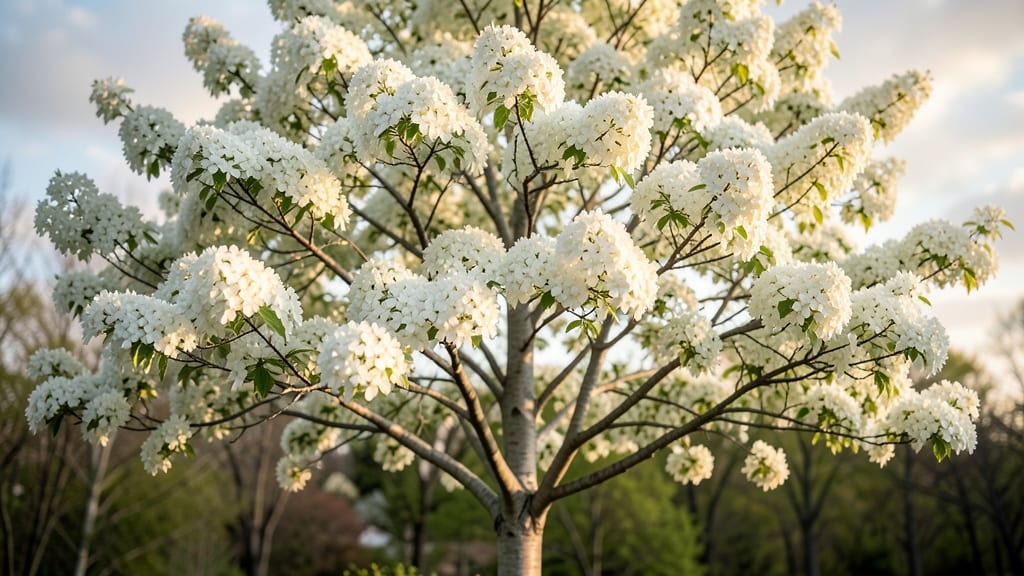
Transform your garden into a fragrant paradise with these 10 sweet-smelling trees featuring delicate white blossoms. Their intoxicating scents and elegant flowers create year-round beauty and natural tranquility for any outdoor space.
Bridal Wreath Spirea for Pollinator Gardens
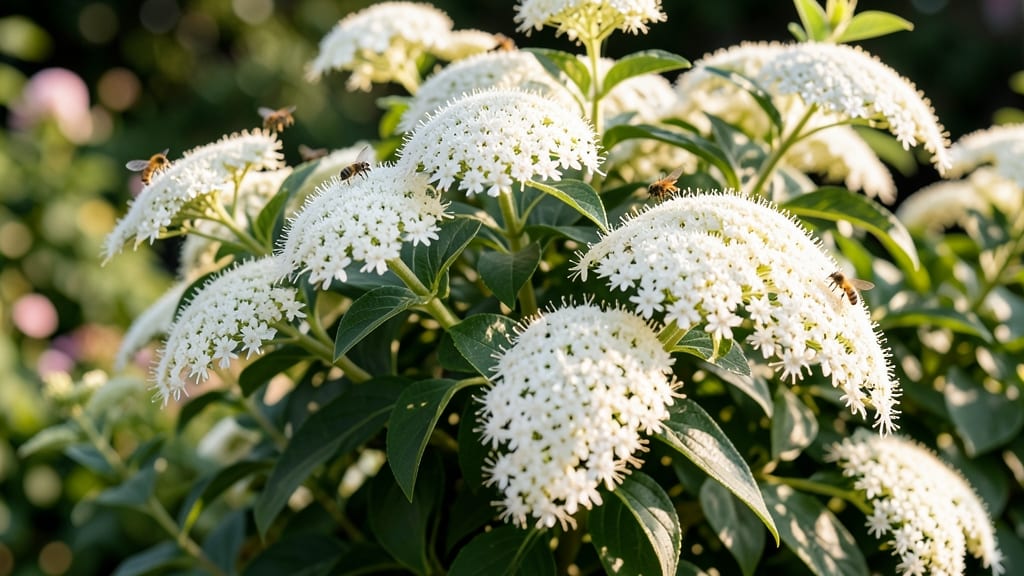
If you want a low-maintenance pollinator magnet that thrives on neglect, bridal wreath spirea (Spiraea prunifolia) delivers a double benefit: honey-scented blooms and buzzing bees. This drought-tolerant shrub blooms prolifically from late spring through summer, its delicate white flower clusters creating a cloud-like display that fills the air with a sweet, almost citrusy fragrance.
Plant it in full sun where it will reward you with three-season interest—spring blooms, summer foliage, and autumn color. Prune lightly after flowering to maintain its rounded shape, but avoid heavy cuts that remove next year's flower buds. The shrub's airy growth habit makes it perfect for borders, cottage gardens, or even containers on patios where pollinators can easily access its nectar.
This is the ideal choice for gardeners who want beauty with minimal effort, especially in xeric landscapes or areas with poor soil. Your garden will hum with activity while smelling like a meadow in bloom. 🌱
Japanese Snowbell Tree for Shaded Areas
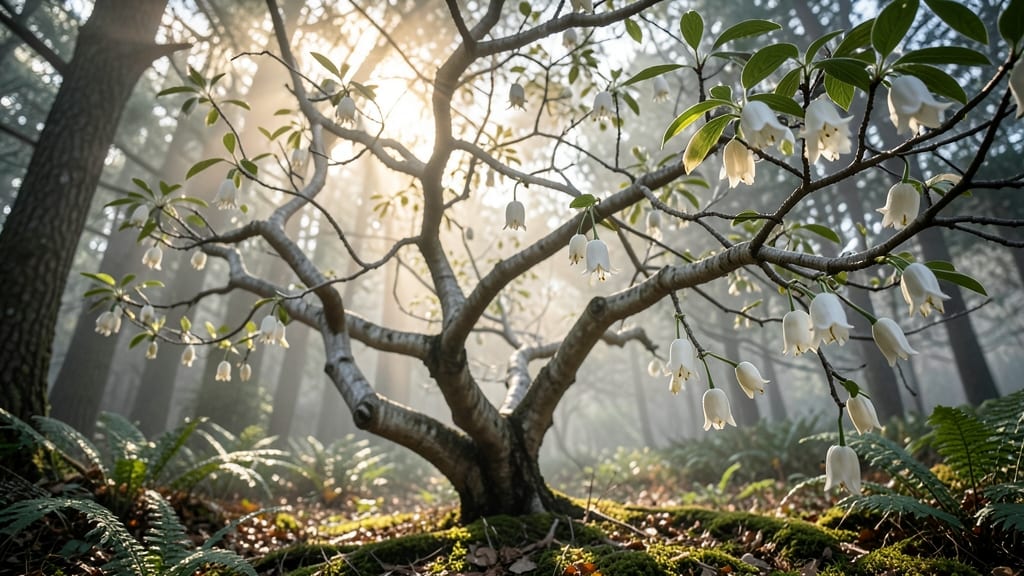
If your garden has areas where sunlight plays hide-and-seek, the Japanese Snowbell Tree (Styrax japonicus) is your secret weapon. Unlike most fragrant trees that demand full sun, this beauty thrives in partial shade, producing delicate bell-shaped white flowers that release a vanilla-like scent in late spring when other trees are still dormant.
Native to Japan and Korea, this small deciduous tree grows 15-25 feet tall with a graceful, rounded shape. Its fragrance peaks at dusk, making it perfect for evening strolls through shaded gardens or woodland edges. Plant it near patios or seating areas to enjoy its sweet aroma while protecting it from harsh afternoon sun. With minimal care—just well-drained soil and occasional pruning—it rewards you with year-round interest, including attractive exfoliating bark in winter.
This tree is ideal for gardeners with shady spots who crave fragrance without the fuss. It’s also a great choice for urban gardens where full sun options are limited. 🌿
Mock Orange Shrub for Strongest Fragrance
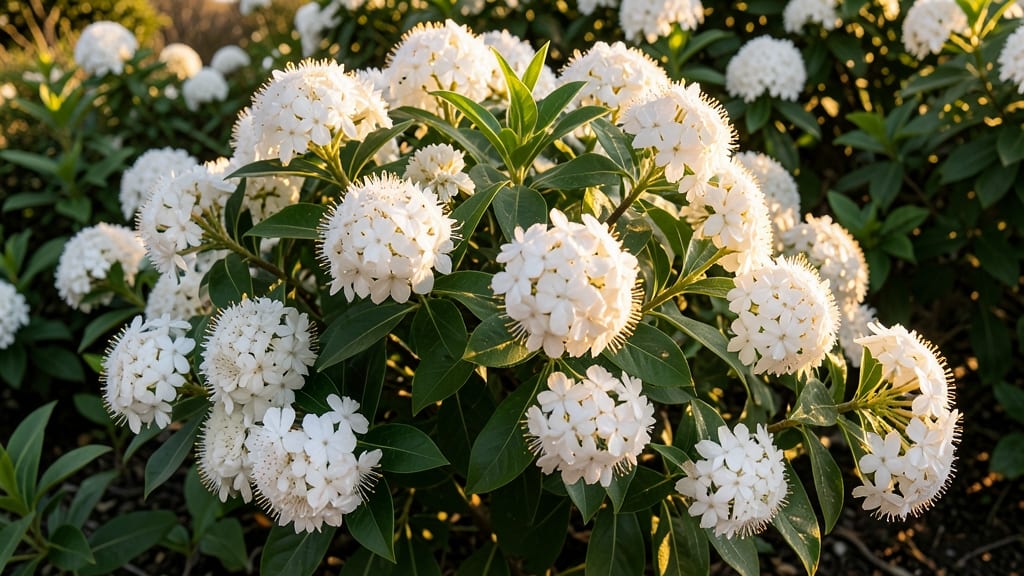
If you crave a garden that smells like a Mediterranean orange grove but want delicate white blooms instead, the Mock Orange shrub is your secret weapon. Unlike its citrus namesake, this fragrant powerhouse produces clusters of snow-white flowers that release an intoxicating orange blossom scent—stronger than many citrus trees—when brushed against or inhaled.
Thriving in full sun to partial shade, Mock Orange grows 6-10 feet tall and wide, making it ideal for hedges, privacy screens, or cutting gardens. Prune lightly after flowering to maintain shape, and watch as pollinators flock to its nectar-rich blooms. The scent peaks in late spring but lingers through summer, creating a fragrant focal point that outshines even the most perfumed roses.
Perfect for gardeners who love low-maintenance shrubs with high-impact fragrance, Mock Orange thrives in USDA zones 4-9 and handles both urban and rural settings equally. Add it to borders, patios, or even large containers for a burst of citrusy sweetness without the fuss. 🌻
Fringe Tree for Late Season Beauty
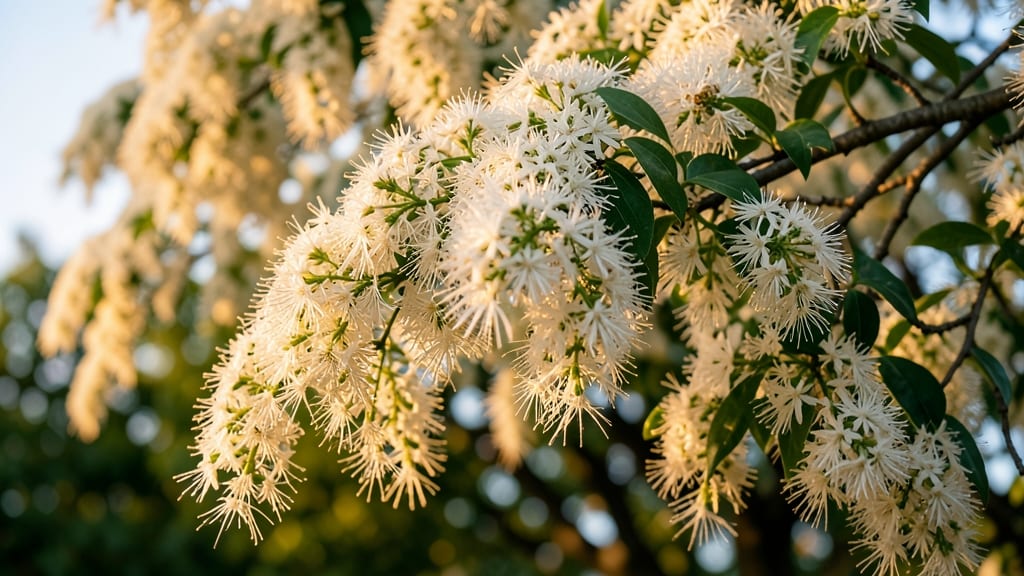
When spring blooms start fading and you crave another burst of color, the fringe tree (Chionanthus virginicus) steps in with a dramatic late-season performance. Its unique fringe-like white flowers cascade like delicate snowflakes, filling the air with a sweet almond fragrance that lingers long after other trees have finished blooming.
This small understory tree thrives in partial shade to full sun, making it perfect for woodland edges, foundation plantings, or as a focal point in mixed borders. Native to the eastern U.S., it’s drought-tolerant once established and handles urban conditions well, including clay soils. Prune lightly after flowering to maintain its graceful, multi-stemmed form—its dark green foliage provides year-round interest even when not in bloom.
Ideal for gardeners who love seasonal variety, the fringe tree ensures your garden stays fragrant and vibrant well into summer. Its low-maintenance nature and striking blooms make it a standout choice for both woodland gardens and urban landscapes. 🌷
Dwarf Lilac for Compact Gardens
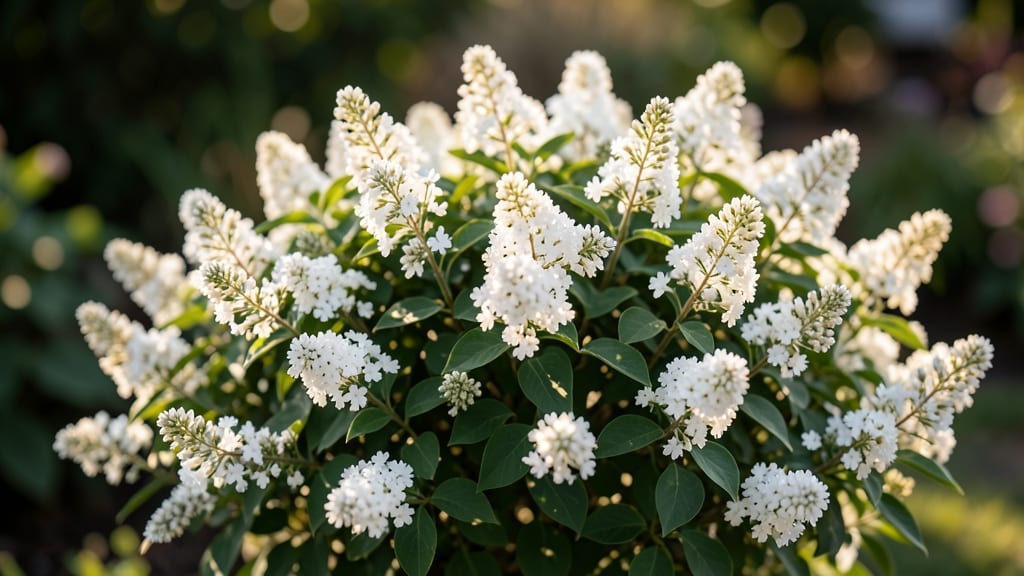
When space is at a premium but you refuse to sacrifice fragrance, the dwarf lilac (Syringa meyeri or Syringa microphylla) delivers all the classic lilac charm in a tiny, manageable package. These compact shrubs pack the same sweet, intoxicating scent as their larger cousins but grow just 3-5 feet tall—perfect for foundation plantings, narrow borders, or even large containers on patios.
Plant your dwarf lilac in full sun for the most abundant blooms, though it tolerates partial shade in hotter climates. Its dense clusters of tiny white flowers appear in late spring, filling the air with a lilac-like fragrance that lingers for weeks. Unlike standard lilacs, these stay compact without pruning, making them ideal for urban gardens where space is limited. For best results, fertilize lightly in early spring and prune immediately after flowering to maintain shape.
This is the perfect solution for gardeners with small yards, balconies, or courtyard spaces who still want that classic lilac scent. Its low-maintenance nature and compact size make it a fragrant workhorse for any tight spot. 🌷
Sweetbay Magnolia for Year-Round Interest
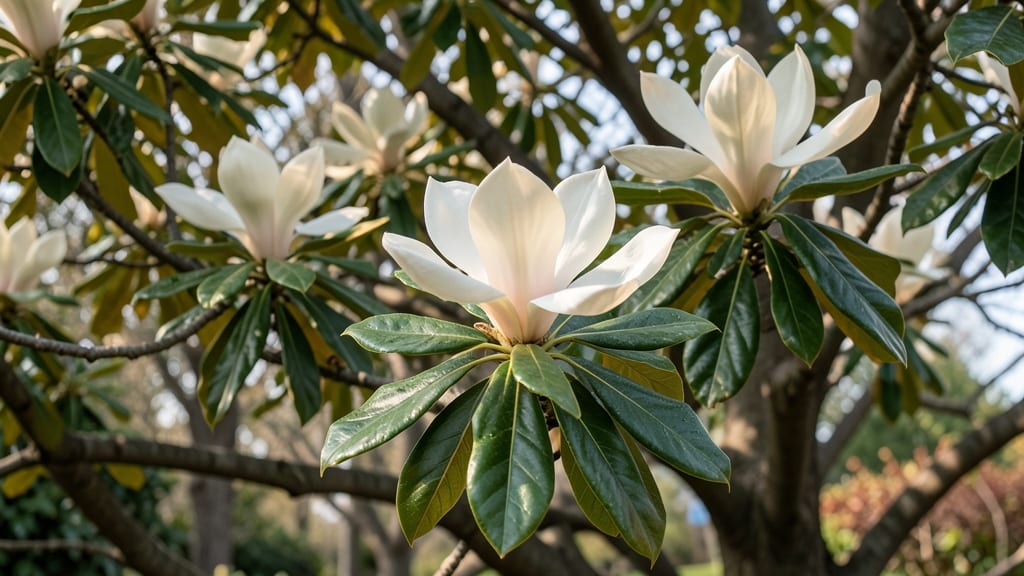
Looking for a fragrant tree that keeps your garden smelling sweet even when it’s not in bloom? The Sweetbay Magnolia (Magnolia virginiana) delivers year-round interest with its glossy evergreen leaves that release a subtle, citrusy fragrance when brushed—plus stunning white magnolia flowers in spring that perfume the air like a tropical breeze.
This adaptable tree thrives in wet or dry soils, making it perfect for rain gardens, coastal plantings, or low-maintenance landscapes. Its glossy leaves stay fragrant all year, and the 4-inch white blooms appear in late spring, attracting pollinators while adding elegant texture. Prune lightly to shape, but avoid heavy cuts that remove next year’s flower buds.
Ideal for gardeners in USDA zones 5-9, this tree works beautifully as a specimen plant, hedge, or foundation shrub. Its tolerance for salt spray and poor soil makes it a standout for coastal gardens, while its evergreen foliage adds winter structure. 🌱
White Flowering Crabapple for Ornamental Value
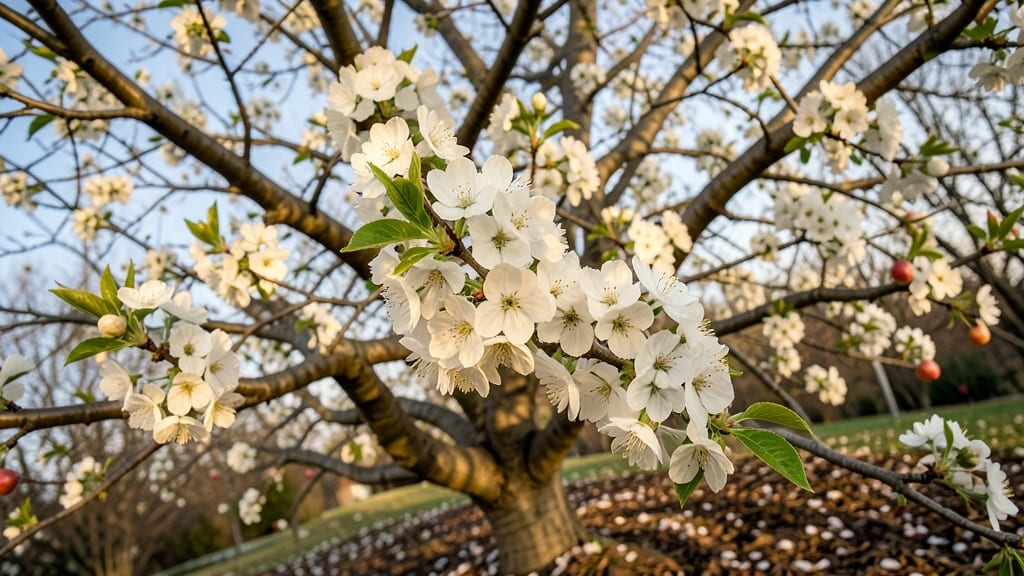
Looking for a multi-season showstopper that combines fragrant spring blooms with year-round visual appeal? The white flowering crabapple (Malus spp.) delivers exactly that—intense sweet fragrance followed by striking ornamental fruit that persists through fall and winter.
This classic ornamental tree bursts into bloom in early spring with clusters of snow-white flowers that perfume the air with a honey-like scent, often stronger than roses. After the flowers fade, decorative fruit (ranging from bright red to golden yellow) adds color and texture, attracting birds while providing winter interest. Choose varieties like 'Royalty' or 'White Angel' for disease resistance and compact growth (20-30 feet tall). Plant in full sun with well-drained soil for best results.
Perfect for landscape designers and home gardeners alike, white flowering crabapples create focal points in lawns, borders, or as specimen trees. Their low-maintenance nature and season-long interest make them a top choice for gardens that want beauty without the fuss. 🌟
Japanese Cherry Tree for Early Spring Fragrance
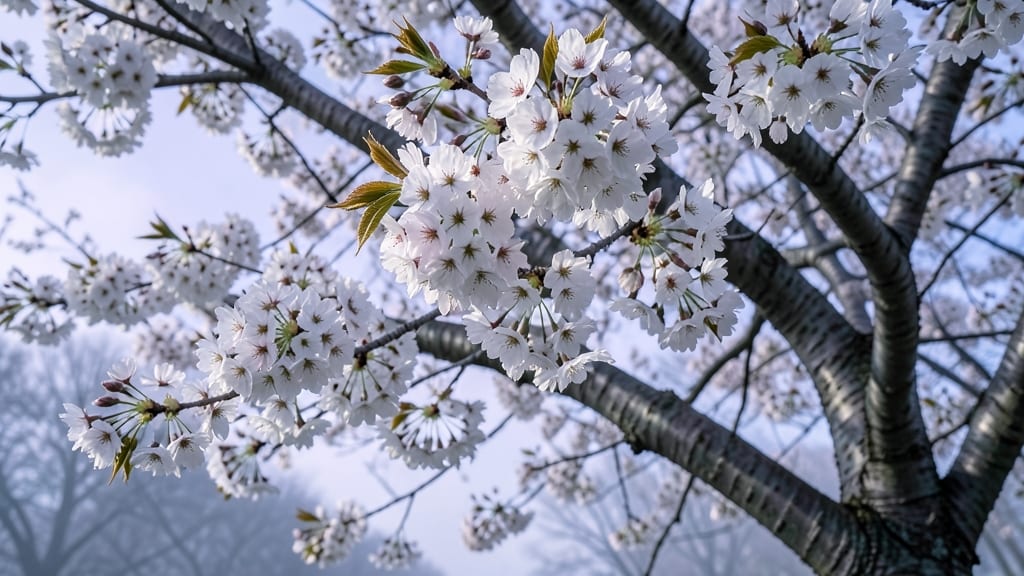
If you long for the magic of cherry blossom season but live in a cooler climate, the Japanese Cherry Tree (Prunus serrulata) brings that same enchantment—weeks earlier—with its delicate white flowers and intoxicating scent. Unlike its ornamental cousins, this tree blooms in late winter or early spring, filling your garden with a sweet, almond-like fragrance when most plants are still dormant.
Plant it in full sun where it will thrive in well-drained soil, reaching 20-30 feet tall with a graceful, rounded canopy. Varieties like 'Kanzan' or 'Shirotae' offer prolific blooms and minimal maintenance, needing only occasional pruning to shape its branches. The petals create a stunning carpet beneath the tree, perfect for creating a serene focal point in any garden.
This tree is ideal for gardeners who want to extend their spring celebration** and enjoy the beauty of cherry blossoms without waiting for late April. Its early blooms also provide vital nectar for emerging pollinators, making it a thoughtful addition to any landscape. 🌷
White Frangipani for Tropical Glamour
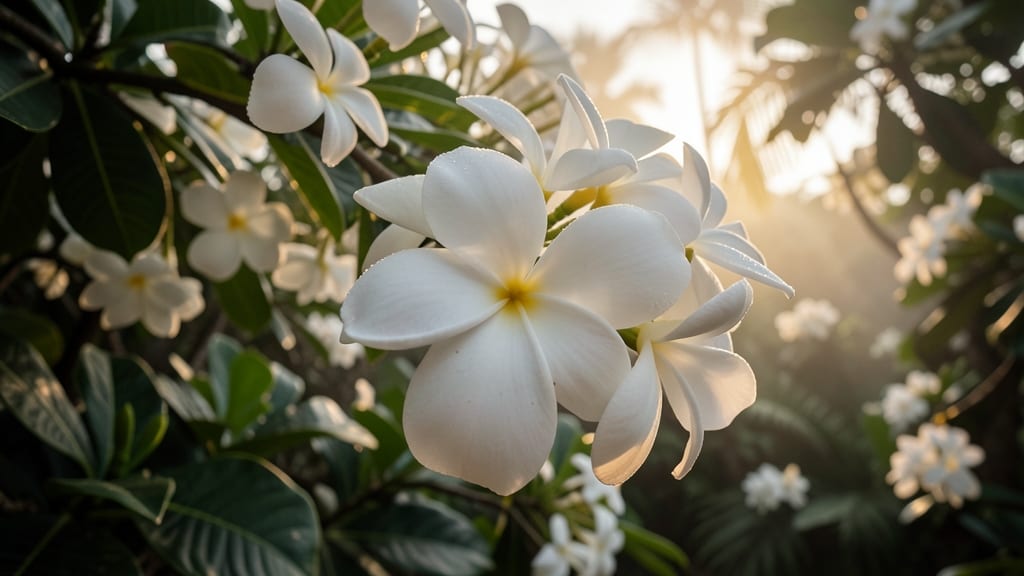
Craving a tropical escape without leaving your backyard? The white frangipani (Plumeria alba) delivers lush, waxy white blooms that smell like jasmine on steroids, filling warm climates with a heady, intoxicating fragrance that lingers at dusk. Unlike most fragrant trees, this small evergreen thrives in containers, making it perfect for patios, balconies, or small urban gardens where space is limited.
Native to Southeast Asia and the Pacific Islands, frangipani loves full sun and heat (USDA zones 10-12), but you can overwinter potted plants indoors near bright windows. Its glossy dark green leaves and dramatic, star-shaped flowers (up to 3 inches wide) create instant tropical drama. For maximum blooms, feed monthly with a balanced fertilizer during growing season and prune leggy growth after flowering to encourage bushier shape.
This is the ultimate choice for gardeners who want luxury on a small scale—whether you're dressing up a patio, creating a fragrant entryway, or gifting a potted plant that keeps giving. Just be warned: the scent is so potent, neighbors will ask for cuttings! 🌟
White Dogwood for Classic Elegance

For a garden that feels like stepping into a classic American landscape painting, the white dogwood delivers unmatched elegance. Its clusters of small white bracts (not true flowers) create a cloud-like display in spring, releasing a subtle, sweet fragrance that lingers in the breeze. Unlike many fragrant trees, dogwoods offer both visual and sensory appeal with their architectural branching and glossy green leaves.
This deciduous tree thrives in partial shade to full sun, making it versatile for various garden settings. Plant it as a specimen tree in lawns, along borders, or near patios where you can enjoy its fragrance up close. Dogwoods also support wildlife, providing food for birds through their red berries in fall. With minimal pruning needs—just removing dead branches—it’s perfect for gardeners who want timeless beauty with low maintenance.
Ideal for traditional gardens, urban landscapes, or woodland edges, the white dogwood brings sophistication to any space. Its clean lines and fragrant blooms make it a standout choice for gardeners who appreciate classic, refined beauty. ✨