
Pests
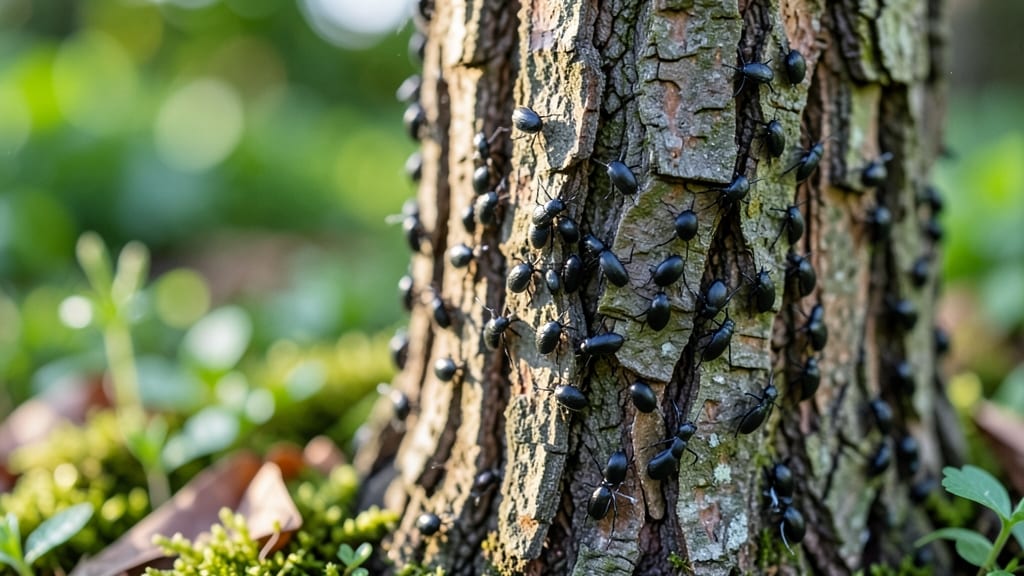
Those tiny black bugs crawling your tree trunk aren’t just annoying—they could be bark beetles, ants, or scale insects silently weakening your tree. 🌳 I’ve had to deal with this mess more times than I’d like, and the first step is always identifying what’s really causing the problem before reaching for solutions.
Most people assume all tiny black bugs are the same, but bark beetles leave behind sawdust-like frass, ants create sticky trails, and scale insects coat trunks in a shiny residue. The key is checking for these clues: holes in the bark, wilting branches, or strange patterns on leaves.
I learned the hard way that ignoring these signs leads to bigger headaches later. By the end of this, you’ll know exactly how to eliminate them—whether it’s natural sprays, pruning, or targeted treatments—and keep your tree healthy for years.
The process takes less than an hour, and the results are worth it. Once you’ve dealt with the infestation, prevention is easy: regular inspections, proper watering, and keeping your tree strong. Here’s how to do it right the first time.
Root Causes of Tiny Black Invaders
If you’ve spotted tiny black bugs crawling on your tree trunk, they’re likely there for one (or more) key reasons—each tied to the bug’s biology, survival instincts, or environmental triggers.
Understanding these causes helps you target the right solutions. Let’s break down the science behind their presence, from food sources to shelter needs.
Most tiny black bugs on tree trunks are drawn by the sap, bark, or decaying plant matter your tree offers. Here’s why they’re feasting:
- Sap-sucking pests (e.g., aphids, scale insects): These bugs insert their mouthparts into the bark or leaves to extract phloem sap, a sugary liquid that fuels their growth. Trees with weakened bark (from wounds, drought, or disease) are especially vulnerable because they can’t seal off damage quickly.
- Fungal feeders (e.g., bark beetles, some ants): Decaying wood or fungal growth on the trunk creates a nutrient-rich environment. Bark beetles, for example, burrow into soft, rotting wood to lay eggs, while ants may farm fungi in tree crevices.
- Leaf litter and organic debris: Piles of fallen leaves, twigs, or mulch near the base of the tree act like a hidden food cache. Bugs like springtails or earwigs thrive here, using the trunk as a highway to reach fresh organic material.
💡 Pro Tip: Remove leaf litter, prune dead branches, and seal wounds on the trunk to starve out these pests by cutting off their food supply.
Tiny black bugs often cluster on tree trunks because the bark provides protection from predators, weather, and desiccation. Here’s how the environment plays a role:
- Microclimates in bark crevices: Rough or peeling bark creates tiny, humid microhabitats that retain moisture—ideal for bugs like booklice or psocids (cellar bugs). These insects need 60–80% humidity to survive, and tree bark often delivers.
- Predator avoidance: Birds, lizards, and spiders hunt on open ground, but the textured surface of a trunk offers cover. Bugs like ants or rove beetles use the trunk as a vertical highway to evade threats while foraging.
- Winter survival: Some species, like barklice, seek out insulated spots under loose bark during cold months. The trunk’s thermal mass keeps them warmer than open air.
🌡️ Actionable Fix: Apply bark sealant or prune smooth the trunk (gently sand rough areas) to reduce hiding spots. For severe infestations, consider tree wraps to disrupt their microhabitats.
Many tiny black bugs target tree trunks because they’re ideal nesting sites for their offspring. Their reproductive behaviors explain why they’re so persistent:
- Bark beetles and borers: Female beetles chew into the cambium layer (just under the bark) to lay eggs. The larvae then tunnel through the wood, creating S-shaped galleries that weaken the tree. Stressed trees (from drought or disease) are prime targets because their defenses are down.
- Ants and termites: These bugs modify the trunk’s environment to suit their colonies. Ants may hollow out galleries in soft wood, while termites dig moisture-rich tunnels near the soil line, using the trunk as a bridge to the canopy.
- Scale insects and mealybugs: These sap-suckers attach their eggs directly to bark, where they’re shielded from wind and predators. A single female can lay hundreds of eggs, ensuring the next generation has a built-in food source.
✨ Early Intervention Matters: If you spot sawdust-like frass (borer droppings) or sticky honeydew (scale insect waste), act fast—these are signs of active reproduction. Treat with systemic insecticides or beneficial nematodes to disrupt their life cycle.
🔍 Key Takeaway: Tiny black bugs on your tree trunk are rarely random—they’re following a logical survival strategy. By addressing their food, shelter, and breeding needs, you can make your tree a less appealing target. Next, we’ll cover how to accurately identify these pests before eliminating them.
Eliminate These Pests Naturally
Discovering tiny black bugs crawling on your tree trunk can be frustrating, but the good news is that most infestations are manageable with the right approach. Below are targeted solutions tailored to the most common culprits—whether they’re sap-sucking aphids, wood-boring beetles, or other tree-dwelling pests.
Each fix is designed to be practical, effective, and safe for your yard (and your wallet!).
Before grabbing the first spray bottle, take a moment to confirm what you’re dealing with. A quick inspection with a magnifying glass (or even your phone’s camera) can reveal key clues:
- Aphids or scale insects? Look for sticky residue (honeydew) or white cottony mats.
- Beetles or borers? Check for sawdust-like frass or tiny holes in the bark.
- Ants or fungus gnats? Observe their behavior—ants trail in lines, while gnats swarm near damp soil.
Pro Tip: 💡 Snap a photo and compare it to online guides (like UC IPM or California Pest Notes) for a second opinion.
1. For Sap-Sucking Pests (Aphids, Scale, Mealybugs)
These bugs weaken trees by draining sap, leaving behind sticky honeydew that attracts soot mold. Try these non-toxic methods first:
- 👨🍳 Blast Them Off Use a strong stream of water from a hose to dislodge adults and nymphs. Repeat every 5–7 days for 2–3 weeks.
Why it works: Many sap-suckers can’t survive without clinging to bark or leaves.
- 🥘 Introduce Beneficial Insects Ladybugs, lacewings, and parasitic wasps are natural predators. Purchase them online or attract them by planting dill, fennel, or yarrow nearby.
Pro Tip: 🌡️ Release them in the early morning or late evening when temps are cooler (they’re sensitive to heat!).
- 🔪 Neem Oil Spray (Safe for Trees) Mix 1 tbsp neem oil + 1 tsp mild soap + 1 quart water in a spray bottle. Apply to both sides of leaves and bark, focusing on infested areas. Reapply every 7–10 days.
Caution: Avoid spraying in direct sunlight (can burn leaves). Test on a small branch first.
2. For Wood-Boring Beetles (Powderpost, Bark Beetles)
These pests tunnel into wood, causing structural damage. Early action is key—once they’re inside, treatment is harder.
- 🔪 Bait Traps for Adults Use borer-specific traps (like those for ambrosia or powderpost beetles) placed 10–15 feet from the tree. Replace bait every 3–4 weeks.
Where to buy: 🎯 Check garden centers or order from Gardener’s Supply.
- 🥘 Seal Entry Points Fill visible holes or cracks in the bark with wood putty or caulk. For larger infestations, consult an arborist about injective systemic pesticides (like imidacloprid).
- 🌡️ Solarize the Soil (For Larvae) If beetles are emerging from the ground (like Japanese beetles), cover the root zone with clear plastic for 4–6 weeks in hot sun. The trapped heat kills larvae.
When to do it: ✨ Best in late spring or early summer when soil temps exceed 100°F.
3. For Ants or Fungus Gnats (Moisture-Lovers)
These pests thrive in damp bark or mulch. Reduce their habitat first:
- 👨🍳 Adjust Irrigation Let the top 2–3 inches of soil dry out between waterings. Use a soaker hose to water at the base (not the trunk).
- 🥘 Diatomaceous Earth (DE) Barrier Sprinkle food-grade DE around the base of the tree and bark crevices. It dehydrates insects but is harmless to pets once settled.
Reapply after rain.
- 🔪 Vinegar or Soap Spray Mix 1 part white vinegar + 1 part water + a drop of dish soap. Spray directly on ants or gnats. Repeat as needed.
Stop pests before they start with these low-effort habits:
- 🌿 Prune for Airflow Remove dead branches or dense foliage to reduce hiding spots. Thin out branches to improve sunlight and airflow.
- 🍂 Clean Up Debris Rake and remove fallen leaves, bark, or mulch from the tree’s base. Pests love these as nesting sites.
- 🔄 Inspect Regularly Check your tree every 2–3 months, especially after rain or storms. Early detection = easier fixes!
- 🌱 Strengthen the Tree Healthy trees resist pests better. Fertilize in early spring with a balanced, slow-release formula (like 10-10-10).
When to Call a Pro: If the infestation is severe (e.g., oozing sap, large exit holes, or wilting leaves), contact a certified arborist. Some pests, like emerald ash borers, require professional-grade treatments.
Frequently asked questions
Are tiny black bugs on my tree trunk always harmful?
Not all tiny black bugs are harmful! Some, like springtails or barklice, feed on decaying organic matter and won’t damage healthy trees. However, watch for signs of trouble: holes in bark, sawdust-like frass, or sticky honeydew (from sap-suckers) mean action is needed. Always check for these red flags before assuming they’re harmless.
How do I tell if the bugs are bark beetles vs. ants?
Bark beetles are 1/8–1/4 inch long, cylindrical, and leave tiny exit holes with sawdust-like frass around them. Ants, on the other hand, have distinct body segments (head, thorax, abdomen) and often form trails along the trunk. Shine a flashlight on the bark at dusk—beetles hide in crevices, while ants move actively in lines.
Will vinegar or soap kill tree-dwelling bugs?
For surface pests like ants or fungus gnats, a vinegar-soap spray (1:1 ratio with dish soap) can work—just apply directly to visible bugs. However, it won’t penetrate bark or reach larvae inside wood. For deeper infestations (like borers), use neem oil or systemic insecticides instead. Always test sprays on a small branch first!
Can I use diatomaceous earth (DE) on my tree trunk?
Yes, but carefully! Sprinkle food-grade DE around the base of the tree and bark crevices—it dehydrates crawling insects like ants. Avoid applying directly to leaves (it can harm them). Reapply after rain, as moisture reduces its effectiveness. Best used in dry conditions (DE needs 3–7 days to work).
How long does it take to eliminate an infestation?
Mild cases (like aphids or ants) may clear in 1–2 weeks with consistent treatment. Severe infestations (borers, scale) can take 3–6 months, especially if larvae are already inside the wood. Patience is key—monitor progress weekly and reapply treatments as needed. For stubborn pests, combine methods (e.g., neem oil + beneficial insects).