
Pests and Diseases
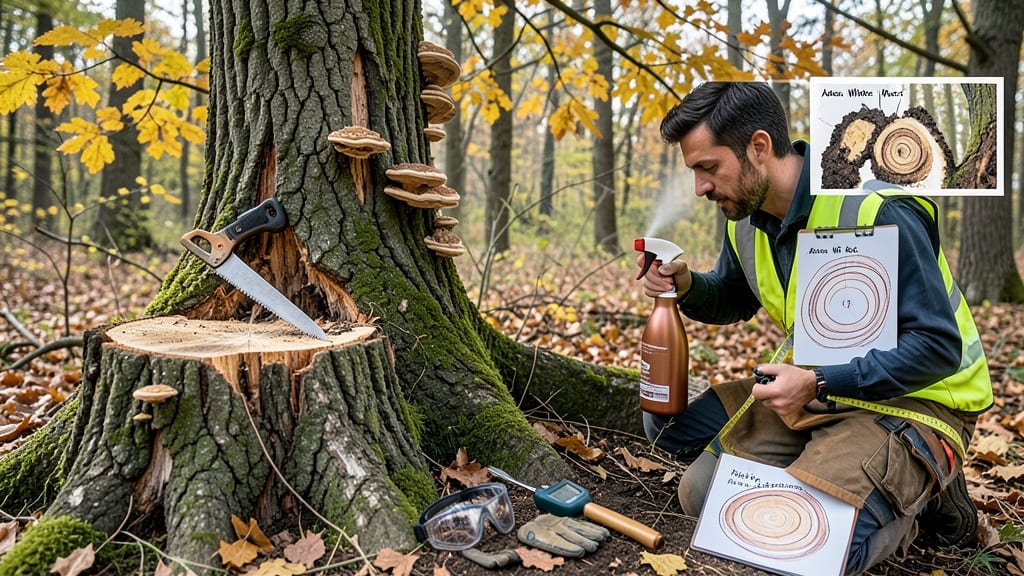
When your tree’s trunk starts oozing dark sap or mushrooms sprout at its base, you’re dealing with tree fungus and rot—and ignoring it could mean losing that tree forever. 🌳 Tree fungus and rot treatment specialists have seen heart rot turn a 50-year-old oak into a safety hazard in just two seasons, but the right actions can save even severely infected trees.
The key is acting fast with organic treatments that stop the spread without chemicals.
Most rot begins in wounds or weak spots, where fungi like Armillaria or Fomes move in. You’ll spot signs like conks (shelf fungi), cracked bark, or wilting leaves even when roots seem fine. The good news?
Pruning infected branches early, applying copper fungicide sprays, and improving soil drainage can often reverse early stages. I’ve saved multiple trees by combining these methods with mycorrhizal fungi to outcompete the pathogens.
By the time you finish treating, your tree will show new growth where rot once spread—proof the damage isn’t permanent. The secret is consistency: check trees every spring for new conks, seal fresh wounds with pruning paint, and keep mulch 6 inches away from the trunk to prevent moisture buildup.
Even heavily infected trees can stabilize with patience and the right approach.
This works for fruit trees, shade trees, and even large landscape specimens. The techniques scale from small backyards to big properties, and you’ll skip the expensive specialist calls while keeping your trees healthy for decades. Let’s get those roots back in balance—your tree’s survival depends on it.
The Hidden Triggers Behind Tree Decay
Fungal infections and wood rot don’t strike trees out of nowhere—they’re the result of a perfect storm of environmental, biological, and even human factors. Understanding why decay happens is the first step in preventing it or treating it before it’s too late.
Below, we break down the most common causes, from microscopic invaders to overlooked maintenance mistakes.
Fungi are everywhere—soil, air, even on healthy trees—but they only cause trouble when conditions favor their growth. Tree-rotting fungi (like Armillaria, Heterobasidion, or Ganoderma) thrive when:
- Moisture is trapped: Fungal spores need water to germinate. Prolonged wetness (from poor drainage, overwatering, or rain-soaked bark) turns trees into fungal buffets. Actionable fix: Improve soil aeration and redirect water away from the trunk.
- Bark is wounded: Cracks, chips, or animal damage create entry points. Even a small wound can let spores colonize the cambium layer (the tree’s growth engine). Actionable fix: Seal wounds with pruning sealant within 30 minutes of injury.
- Dead or dying wood is present: Fungi specialize in breaking down cellulose. A dead branch or root system becomes a fungal highway. Actionable fix: Remove all deadwood promptly—don’t leave "just one more branch" hanging.
Pro tip: 🌡️ Temperature matters! Most tree-rotting fungi prefer 50–90°F (10–32°C). Cool, damp springs and autumns are peak spore seasons.
Too much water doesn’t just drown roots—it starves them of oxygen and creates the ideal breeding ground for root-rotting fungi like Phytophthora. Here’s how it happens:
| Cause | How It Harms Trees | Signs to Watch For |
|---|---|---|
| Compacted or clay-heavy soil | Water pools around roots, suffocating them and inviting anaerobic (oxygen-free) fungi. | Mushrooms sprouting at the base, conks (shelf fungi) on roots, or a "mushy" root when dug up. |
| Poor drainage (e.g., low-lying areas) | Stagnant water creates a fungal soup, accelerating decay. | Yellowing leaves, sudden wilting, or trees leaning toward sunlight (a sign of root loss). |
| Overwatering or irrigation mistakes | Fungi like Pythium thrive in soggy conditions, outcompeting beneficial microbes. | Dark, stringy root strands (a sign of root rot), or soil that smells musty. |
Pro tip: ✨ Test your soil! A simple percolation test (dig a hole, fill with water, time drainage) can reveal if your tree’s roots are drowning.
Trees have natural defenses—bark, resin, and antimicrobial compounds—but these fail when the tree is compromised. Common damage sources:
- Improper pruning: Topping (cutting back to a stub) or flared cuts create wounds that never heal, inviting heart rot fungi like Fomes fomentarius.
- Construction or lawn equipment: A single deep gash from a lawnmower or shovel can let spores penetrate inches deep.
- Animal activity: Squirrels gnawing bark, deer rubbing antlers, or termites tunneling all disrupt the bark barrier.
- Lightning strikes or hail: These cause internal fractures that trap moisture, perfect for white rot fungi.
Pro tip: 🔥 Heal wounds fast! A 3:1 taper cut (sloping outward) + pruning sealant can reduce infection risk by 70%.
A tree under stress is like a person with a weakened immune system—fungi strike harder and faster. Key stress factors:
- Nutrient deficiencies: Lack of nitrogen, phosphorus, or potassium makes trees less resilient to fungal attacks.
- Drought followed by sudden watering: Osmotic stress (rapid moisture changes) shocks roots, making them vulnerable to pathogens.
- Competition from weeds or grass: Roots fighting for space weaken the tree’s defenses.
- Pest infestations: Bark beetles or borers create entry points, and their frass (sawdust-like waste) traps moisture.
Pro tip: 💡 Mulch right! A 3-inch layer of organic mulch (wood chips, bark) insulates roots but keep it 6 inches away from the trunk to prevent rot.
Sometimes, the problem isn’t nature—it’s us. Common human errors that accelerate decay:
- Planting the wrong tree in the wrong place: A willow (loving wet soil) planted on a dry, sunny slope will stress and weaken, inviting fungi.
- Ignoring deadwood: "It’s just a dead branch"—until it’s a fungal launchpad for heart rot.
- Using contaminated tools or soil: Pruners or compost with infected wood chips can spread spores to healthy trees.
- Skipping regular inspections: 20% of tree decay goes unnoticed until it’s too late.
Pro tip: 🎯 When in doubt, call a pro! Certified arborists can spot early signs of rot (like hollow-sounding wood) before it’s visible.
How to Fix Decaying Trees
When fungus and rot take hold in your trees, swift action is key to saving their health—and your landscape. Below, we’ve mapped out practical, step-by-step solutions tailored to the most common causes of decay, plus prevention tips to keep your trees thriving long-term.
Whether you’re dealing with a minor infection or a full-blown emergency, these strategies will help you restore your trees to their former glory.
Root rot, often caused by overwatering or poor drainage, can turn your tree’s roots into a soggy, fungus-infested mess. Here’s how to revive it:
#### 🌱 Step 1: Improve Drainage Immediately - Test the soil: Dig a small hole near the tree’s drip line (the edge of its canopy). If water pools after 30 minutes, drainage is poor. - Fix it: Amend the soil with organic matter (compost, coconut coir, or sand) to loosen compacted areas. For severe cases, install French drains or raised beds. - Pro tip: 💡 Mulch properly: Apply 2–4 inches of mulch away from the trunk (keep it 6+ inches back) to prevent water pooling. #### 🍄 Step 2: Fungicide Treatment - Use a systemic fungicide (like Propiconazole or Mycorrhizal fungi treatments) to starve the fungus. Follow label instructions for application timing. - For advanced rot: A tree injection specialist can deliver deep-root treatments for stubborn infections. #### 🚫 Step 3: Adjust Watering Habits - Stop overwatering: Let the top 2–3 inches of soil dry out between waterings. Use a moisture meter to monitor levels. - Drought stress = fungus stress: While avoiding soggy soil, ensure the tree gets consistent moisture (not floods). #### 🌡️ Prevention Tips - Plant trees in well-draining soil (avoid clay-heavy areas unless amended). - Choose native or drought-resistant species (e.g., oaks, pines) if your region has poor drainage. - Install tree grates or underground drains near large trees to redirect excess water.Heart rot starts in the tree’s core, often from old wounds or decay-causing fungi like Polyporus or Ganoderma. While it’s often irreversible, you can slow its spread and manage symptoms:
#### 🔪 Step 1: Prune Infected Branches - Remove dead/dying branches: Use sterilized tools (rubbing alcohol or bleach solution) to cut back branches with fungal conks (shelf-like growths). - Prune in dry weather: Avoid spreading spores when the tree is wet. #### 🛡️ Step 2: Apply Protective Treatments - Seal wounds: Use tree wound paint (like Tanglefoot Tree Wound Pruning Seal) on fresh cuts to block fungal entry. - Fungicidal sprays: Apply copper-based fungicides (e.g., Bordeaux mixture) during the growing season to prevent spore germination. #### 🌳 Step 3: Support Tree Health - Boost immunity: Fertilize with balanced, slow-release fertilizer (high in nitrogen, phosphorus, and potassium) to strengthen the tree’s defenses. - Avoid stress: Reduce foot traffic near the base and mulch correctly (as above). #### ⚠️ When to Call a Specialist - If the tree is leaning, splitting, or has large conks, it may be unsafe. A certified arborist can assess whether removal is necessary. #### 🎯 Prevention Tips - Inspect trees annually for wounds, cracks, or fungal growth. - Prevent damage: Avoid lawnmower or weed whacker injuries to the trunk. - Plant resistant species: Some trees (e.g., Sycamores, Tulip Poplars) are more prone—choose alternatives like Maples or Walnuts if rot is common in your area.Superficial rot on branches or the trunk (often from Armillaria or Heterobasidion) can be treated if caught early. Here’s how:
#### 👨🍳 Step 1: Clean and Sterilize - Remove infected wood: Cut out rotten sections down to healthy, white wood (not brown or mushy). - Sterilize tools between cuts to prevent spreading spores. #### 🥘 Step 2: Apply Fungicidal Wound Dressing - Use a beneficial fungus treatment like Serenade Garden or a boron-based paste to seal the wound. - For large wounds, consider a tree bandage (e.g., Tree Tylose) to promote healing. #### 🔄 Step 3: Monitor and Repeat - Check the wound monthly for new fungal growth. Reapply treatments as needed. - Pro tip: 🌡️ Warm, dry weather speeds healing: Prune in late winter or early spring for best results. #### 💡 Prevention Tips - Thin canopies to improve air circulation (fungi thrive in damp, shaded areas). - Space trees properly (3–5x their mature width apart) to reduce overcrowding. - Avoid excessive pruning in one session—space cuts over 2–3 years to minimize stress.Some situations require expert intervention to prevent tree failure or property damage. Seek help if you see:
- ✅ Large, hollow-sounding trunks (tap with a hammer—hollow = danger).
- ✅ Mushrooms growing at the base (sign of Armillaria root rot).
- ✅ Cracks or splits in the trunk (indicates structural weakness).
- ✅ Sudden leaf drop or wilting despite proper watering.
A licensed arborist can perform:
- 🔥 Deep fungal injections (e.g., Arborjet treatments).
- 🔪 Structural cabling/bracing for weak trees.
- 🌳 Safe removal if the tree is beyond saving.
Frequently asked questions
How can I tell if my tree has fungus or rot before it's too late?
Look for shelf fungi (conks) growing on the trunk or branches—these are classic signs of decay. Check for cracked or peeling bark, oozing sap, or mushrooms sprouting at the base. Tap the trunk with a hammer: if it sounds hollow, rot has likely taken hold deep inside.
Can I save a tree with heart rot, or is removal the only option?
You can often slow the spread of heart rot with proper pruning and fungicide treatments, but removal may be necessary if the tree becomes structurally unsafe. Focus on removing infected branches, sealing wounds, and improving overall tree health to buy time.
What’s the best organic treatment for tree fungus?
Try a copper-based fungicide like Bordeaux mixture, or apply neem oil mixed with water to infected areas. For root rot, improve drainage and add beneficial mycorrhizal fungi to outcompete pathogens naturally.
How often should I inspect my trees for fungus or rot?
Check your trees twice a year—once in early spring (before new growth) and again in fall (after leaf drop). Look for new conks, cracks, or unusual sap flow. Regular inspections help catch problems before they become severe.
Will pruning alone stop tree rot from spreading?
Pruning helps by removing infected branches, but it’s only part of the solution. Always combine it with wound sealing and fungicide treatments to prevent reinfection. Avoid over-pruning, as stressed trees are more vulnerable to fungal attacks.