
Pests and Diseases
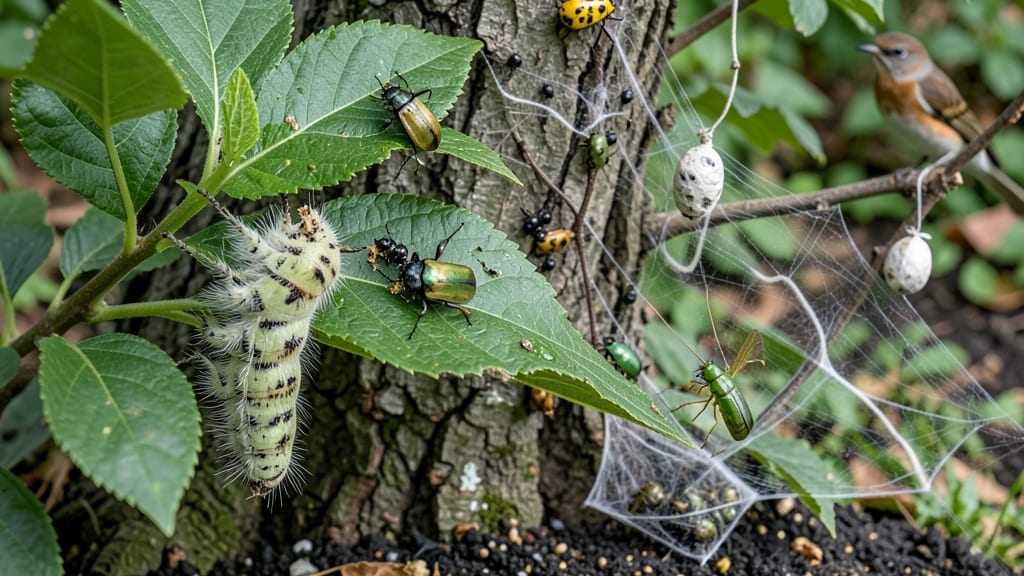
If your tree leaves are being eaten, the culprits are likely insects like caterpillars or beetles, or larger animals such as deer, rabbits, or squirrels. Look for specific damage patterns—ragged edges, skeletonized leaves, or clean-cut holes—to identify the pest and choose the right treatment.
Identifying what's eating your tree leaves starts with examining the damage closely. 🌿 Insects like Japanese beetles leave irregular holes, while caterpillars often skeletonize leaves, eating everything but the veins. Mammals, on the other hand, tend to create clean, ragged edges or strip entire leaves.
The timing of the damage also helps—spring and summer are peak seasons for insect activity, while mammals may target trees year-round, especially in winter when food is scarce.
For instance, deer typically browse at night, leaving behind neatly clipped edges, while rabbits prefer to nibble young shoots and leaves near the ground.
Once you've identified the pest, you can take targeted action. Organic solutions like neem oil or insecticidal soap work well against soft-bodied insects, while companion planting with pest-repelling herbs can deter many types of feeders.
For mammals, fencing or repellents are often the most effective strategies. Always check local regulations before applying chemical treatments, as some pesticides can harm beneficial insects or contaminate water sources.
💡 In This Article
- Common Tree Leaf-Eating Pests and Their Damage Patterns
- Natural and Chemical Solutions to Protect Your Tree Leaves
Common tree leaf-eating pests and Their damage patterns
Insects and mammals attack tree leaves using distinct methods that leave behind telltale signs. Gypsy moth caterpillars, for example, skeletonize leaves by consuming all soft tissue while leaving the veins intact—almost like a lace pattern.
Japanese beetles, however, create irregular holes along leaf edges, often targeting roses, linden, and birch trees. These beetles are most active from June to August and thrive in warm climates, particularly in the Midwest and Northeast U.S. 🌳 Their feeding can defoliate entire branches within weeks if left unchecked.
Mammals like deer and rabbits leave entirely different damage patterns. Deer typically create clean, ragged edges on leaves, often stripping entire branches bare, especially in late winter and early spring when food is scarce.
Rabbits, on the other hand, prefer young shoots and leaves near the ground, creating a "browsing line" about 2-4 feet high. Squirrels and chipmunks may gnaw small, irregular holes or strip entire leaves, often leaving behind chewed edges with tooth marks visible under magnification.
These animals are most active at dawn and dusk, making them harder to spot.
The size and shape of the damage are critical clues. Aphids, for instance, suck sap from leaves, causing them to curl or develop sticky residue (honeydew), which attracts ants and sooty mold.
Spider mites create fine webbing on the undersides of leaves, while beetle larvae (like those from the emerald ash borer) tunnel into bark, creating D-shaped exit holes. Understanding these patterns helps you choose the right treatment—organic sprays for insects, fencing for mammals, or targeted pruning to reduce damage. 🔍
Seasonal activity is another key factor. Most insect pests, like tent caterpillars and Japanese beetles, emerge in spring and peak in summer, while mammals may target trees year-round. For example, deer browsing is most severe in late fall and winter when other food sources dwindle.
If you notice damage in early spring, mammals are likely the culprits, whereas summer damage suggests insect activity. Regional hotspots also play a role—gypsy moths are rampant in the Northeast, while palm tree pests like the palm weevil dominate in Florida and California.
To confirm your suspicions, examine the damage up close with a magnifying glass. Look for frass (insect droppings), egg masses, or chewed edges with tooth marks. Insects often leave behind fine, saw-like cuts, while mammals create larger, uneven tears.
For instance, a deer’s bite is typically 1-2 inches wide, while a rabbit’s is narrower and more precise. Collecting samples of the pest (if possible) or consulting a local extension service can provide definitive identification and tailored solutions. 🌿
Pro tip: Keep a garden journal to track damage patterns over time. Note the date, location on the tree, and type of damage. This record will help you identify seasonal trends and determine whether the pest is returning year after year.
For example, if you see the same type of damage in the same spot every summer, you’ll know to apply preventive measures like neem oil or insecticidal soap before the pests emerge.