
Blooming
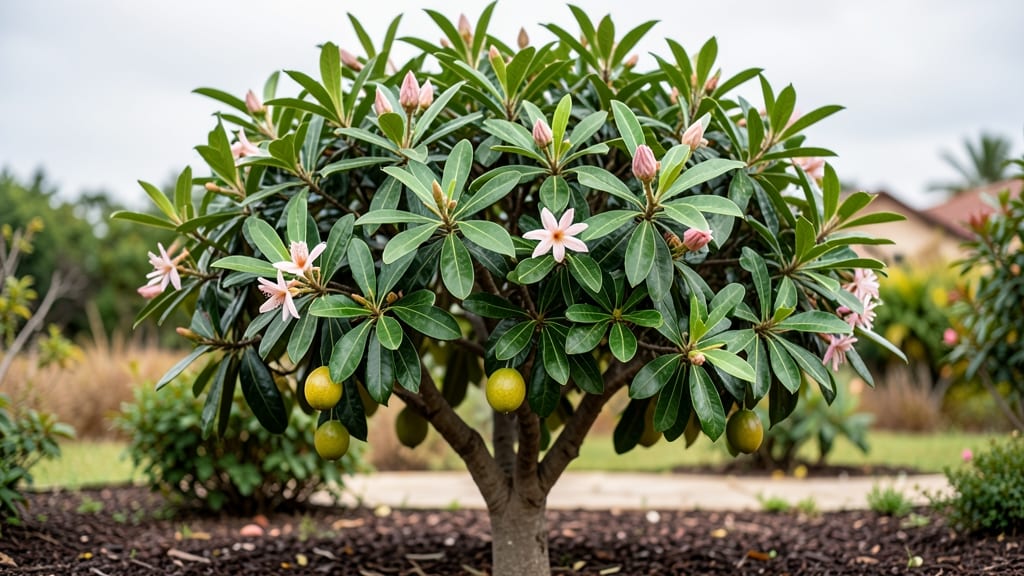
A guava tree blooms when conditions align—typically between spring and summer, but the exact timing depends on your climate and the tree’s age.
If you’ve ever wondered why your guava tree isn’t bearing fruit—or when to expect those sweet, fragrant blossoms—timing is everything. In tropical regions, flowering can happen year-round, while subtropical zones see peaks in late spring or early summer.
Younger trees may take 2-3 years to bloom, but patience pays off with a bountiful harvest.
Understanding these seasonal triggers isn’t just about predicting blooms—it’s about maximizing fruit production. A well-timed pruning or a nutrient boost can shift the balance from sporadic flowers to a reliable cycle.
Below, we’ll break down how climate, care, and even your tree’s age influence when those iconic white blossoms appear—and what that means for your harvest.
Ready to turn your guava tree into a fruiting powerhouse? You’ll learn how to read the signs, adjust your care routine, and even troubleshoot delays. Let’s get started.
Guava tree bloom seasons: climate-based flowering timeline
Understanding when your guava tree (Psidium guajava) blooms depends entirely on your climate zone. In tropical regions like India or Southeast Asia, these trees flower year-round, producing continuous blooms and fruit. Meanwhile, in subtropical zones such as Florida or California, flowering follows distinct seasonal patterns tied to temperature shifts.
The key trigger for blooming is a combination of warmth and daylight. Guava trees typically need consistent temperatures above 60°F (15°C) to initiate flowering, with longer daylight hours (12+ hours) accelerating the process.
Rainfall also plays a role—too much or too little can delay blooms, making moderate moisture ideal for optimal flowering.
Here’s how regional climate directly impacts bloom timing:
In tropical climates, guava trees often bloom in waves, with heavy flowering during the wet season when humidity and warmth peak. For example, in India’s Punjab region, blooms occur year-round but intensify from May to October, aligning with monsoon rains.
Meanwhile, in subtropical Florida, trees typically bloom from March to June, triggered by rising temperatures and longer daylight.
Age also influences bloom timing. Young guava trees (1-3 years old) may produce sparse flowers or none at all, focusing energy on growth instead. Mature trees (4+ years old) enter full bloom cycles, with some varieties like ‘White’ guava flowering more prolifically than ‘Pink’ varieties.
Pruning in late winter can encourage earlier blooms by removing overcrowded branches and improving air circulation.
One common misconception is that guava trees bloom only once per year. In reality, many subtropical varieties produce two bloom cycles: a major one in spring and a smaller one in late summer.
For instance, in Hawaii’s Kona region, trees may bloom in February-March and again in August-September, yielding two harvests annually. This dual-flowering pattern is less common in cooler subtropical zones but can be encouraged with proper fertilization and pruning.
If your guava tree isn’t blooming as expected, check these three critical factors:
- Temperature: Ensure daytime highs reach 75°F+ (24°C+) consistently.
- Daylight: Guava trees need at least 6-8 hours of direct sun daily.
- Moisture: Avoid waterlogging or drought stress, which can shock the tree into dormancy.
For gardeners in temperate zones, growing guava trees in containers and moving them indoors during winter can extend the bloom season. Place pots near a south-facing window or under grow lights to maintain the 12-hour daylight threshold.
In regions like Southern California, where winters are mild, trees often bloom as early as January, while in Northern Florida, blooms may not appear until April.
Pro tip: Monitor your tree’s leaf growth patterns. Just before blooming, you’ll notice swollen buds along the branches, often accompanied by new leaf flushes.
This is your cue to increase watering slightly and apply a balanced fertilizer (e.g., 6-6-6 NPK) to support the energy demands of flowering and fruiting.
🌱
How to predict guava tree flowering: signs and environmental triggers
Guava trees (Psidium guajava) reveal subtle but unmistakable signs before flowering. The first clue? New leaf growth in clusters of 3-5 leaves, often accompanied by small, rounded buds along branches. These buds swell slightly and turn a pale green hue—your tree’s way of signaling its readiness to bloom.
Pay attention to branch tips, which may show tiny cracks as the buds prepare to open.
Environmental triggers play a crucial role in timing. Guava trees thrive in warm, stable temperatures (70-85°F) and long daylight hours (12+ hours). In tropical climates, flowering often occurs year-round, while subtropical regions see peaks in late spring to early summer.
Rainfall patterns also matter—moderate moisture encourages blooms, but waterlogging can stress the tree and delay flowering.
- 🌱 Pre-Bloom Signs: New leaf clusters + swollen buds
- 🌡️ Ideal Conditions: 70-85°F, 12+ daylight hours
- 💧 Watering Tip: Deep water 2x/week (avoid soggy soil)
- ✂️ Pruning Time: Trim dead branches in early spring
- 🌿 Fertilizer Boost: Balanced NPK (6-6-6) in growing season
To encourage consistent flowering, prune strategically in early spring. Remove dead or crossing branches to improve airflow, and thin out dense foliage to let sunlight reach inner buds. This practice stimulates new growth and sets the stage for blooms.
Pair pruning with a light application of fertilizer (6-6-6 NPK ratio) to provide essential nutrients without overstimulating foliage at the expense of flowers.
Watch for early morning dew on buds—a sure sign blooms are imminent. Guava flowers are highly fragrant, so if you notice a sweet, tropical scent near your tree, check for tiny white or pink blossoms forming.
These flowers typically last 1-2 days, so act fast if you’re hand-pollinating (though many guava trees self-pollinate).
Climate matters: In drier regions, supplement rainfall with deep, infrequent watering (10-15 gallons per tree). In humid areas, ensure proper drainage to prevent root rot, which can stall flowering.
Mulch around the base with organic matter (like compost) to retain moisture and regulate soil temperature—both critical for encouraging blooms.
For gardeners in cooler climates (USDA Zone 9b), protect your guava tree from light frosts (below 32°F) by wrapping the trunk or moving potted trees indoors.
Even a single frost can delay or prevent flowering entirely. Once temperatures stabilize, resume regular care to coax your tree back into its blooming rhythm.
Remember: Patience is key. Young guava trees (under 3 years) may take 1-2 years to flower, while mature trees produce 2-3 bloom cycles annually. By tuning into these signs and adjusting care, you’ll turn your guava tree into a reliable fruit producer year after year. 🌸