
Plants
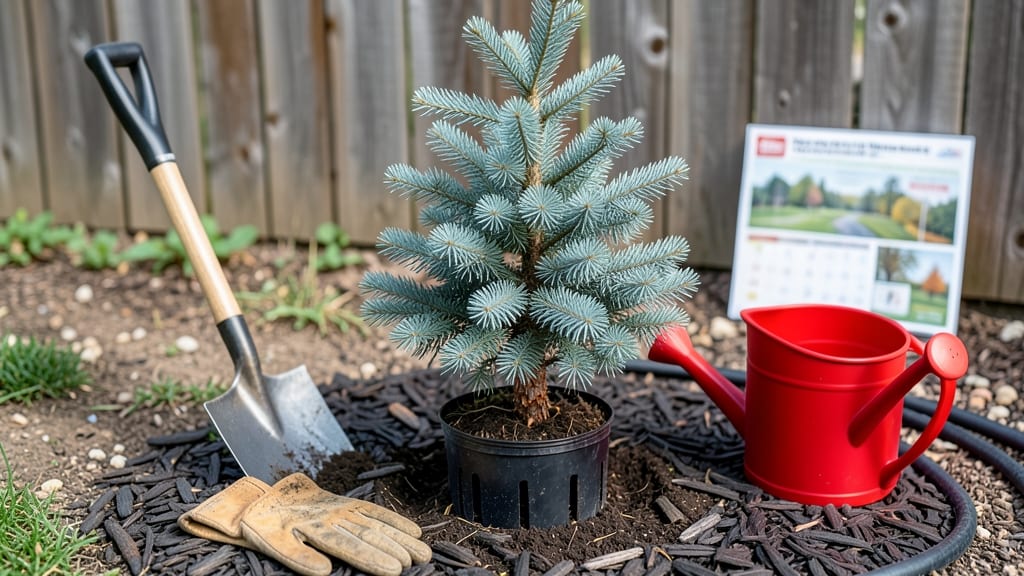
The best time to plant a tree in Colorado depends on your exact location, but for most of the state, late winter to early spring—around March or April—is the ideal window 🌳.
Planting a tree in Colorado isn’t just about picking a seedling—timing can make the difference between a thriving canopy and a struggling sapling. With the state’s diverse climate zones, knowing exactly when to plant ensures your tree takes root before winter’s harsh freeze.
Whether you’re in the Front Range or the Western Slope, soil conditions and frost dates vary dramatically. For example, Denver’s last frost typically hits around March 15, while mountainous regions may wait until April or later.
Below, I’ll break down the best months for your specific zone, how to prepare your soil, and which tree species thrive with Colorado’s unpredictable weather. Let’s get your tree off to the right start!
Colorado’s planting zones: when to plant trees by region (with exact months)
Colorado’s USDA hardiness zones 3-7 create dramatic differences in planting windows. The Front Range (Denver, Boulder) typically warms faster than the Western Slope (Grand Junction, Durango), while mountainous areas like Zone 5 face earlier frosts. Understanding these variations ensures your tree establishes roots before winter’s freeze.
For most Colorado regions, late winter to early spring (March–April) is ideal for planting bare-root trees. This window allows roots to establish before summer heat, while soil is still workable. Fall planting (September–October) is also excellent, giving trees time to harden off before dormancy.
Soil thaw is critical—plant only when the ground is workable (not muddy). In Zone 6 (Denver metro), this usually means waiting until mid-March, while Zone 4 (mountainous areas) may delay planting until late April to avoid frost damage.
Here’s a quick reference for Colorado’s 6 USDA zones, including front range vs. western slope timing:
In Zone 7 (Pueblo), you can plant as early as February for container-grown trees, but bare-root varieties still need March’s warmer soil. Meanwhile, Zone 3 (mountains) demands patience—wait until late April to avoid transplant shock from lingering frost.
For container-grown trees, flexibility exists year-round (except extreme cold), but spring and fall remain optimal. Bare-root trees, however, must be planted when dormant—never in summer’s heat. Always check local frost dates via Colorado State University Extension for precision.
Soil preparation is non-negotiable. Amend clay-heavy soils with compost or sand to improve drainage, especially in Zone 5–7 where summer drought stress is common. Mulch heavily (3–4 inches) to retain moisture and regulate soil temperature.
Evergreens like Colorado Blue Spr
Signs your Colorado tree planting timing is perfect (or terrible)
Colorado’s unpredictable frost dates and dry soil conditions mean timing your tree planting right is critical. The difference between a thriving canopy and a struggling sapling often comes down to reading the natural cues around you—like soil temperature and bud break.
If you miss these signs, your tree may suffer from transplant shock or even winter dieback.
First, check the soil temperature—it should stay above 40°F (4°C) for at least 2 weeks. Cold soil slows root growth, leaving young trees vulnerable.
In Denver and the Front Range, this usually aligns with late March to early April, while mountainous regions may need to wait until May. Rainfall patterns also matter: aim for a 2-3 week stretch without drought conditions to help roots establish.
⚠️ Warning: Common Pitfalls to Avoid
Planting too early risks frost damage to tender roots, while planting too late leaves trees unable to establish before winter. Evergreens, like Colorado Blue Spruce, need 6+ weeks of root growth before the first frost. Deciduous trees, such as Silver Maple, can handle fall planting if done by mid-September in most zones.
Signs of bad timing: Wilting leaves, yellowing foliage, or stunted growth within the first month. These could mean your tree was planted during a heatwave or drought, or too close to freezing temperatures.
Watch for bud break in native trees like Cottonwood or Ponderosa Pine—this signals the soil is warm enough for planting. In western Colorado, where frost dates vary widely, delay planting until after April 15 to avoid late-season freezes.
Container-grown trees are slightly more flexible, but even they need stable soil temps and adequate moisture.
Another key sign? The last frost date for your area. In Colorado Springs, this is around April 15, while Grand Junction sees its last frost by March 30. Planting 2-3 weeks after the last frost gives roots time to adapt before summer’s heat sets in.
For fall planting, aim for 6-8 weeks before the first frost—typically September to early October in most regions.
Don’t ignore rainfall forecasts. Colorado’s dry climate can turn planting into a gamble if you don’t water consistently. A drip irrigation system or deep soaking every 5-7 days is non-negotiable for the first 3 months.
If your area is in a drought warning, hold off until conditions improve—even the hardiest trees, like Gambel Oak, struggle without moisture.
Finally, observe your tree’s immediate response. Within 2-3 weeks of planting, healthy trees show new leaf growth or firm, green roots when checked. If leaves curl or drop, or roots appear shriveled, you’ve likely planted at the wrong time.
Adjust your approach for next year—perhaps opt for container-grown trees or a different planting window.