
Plants
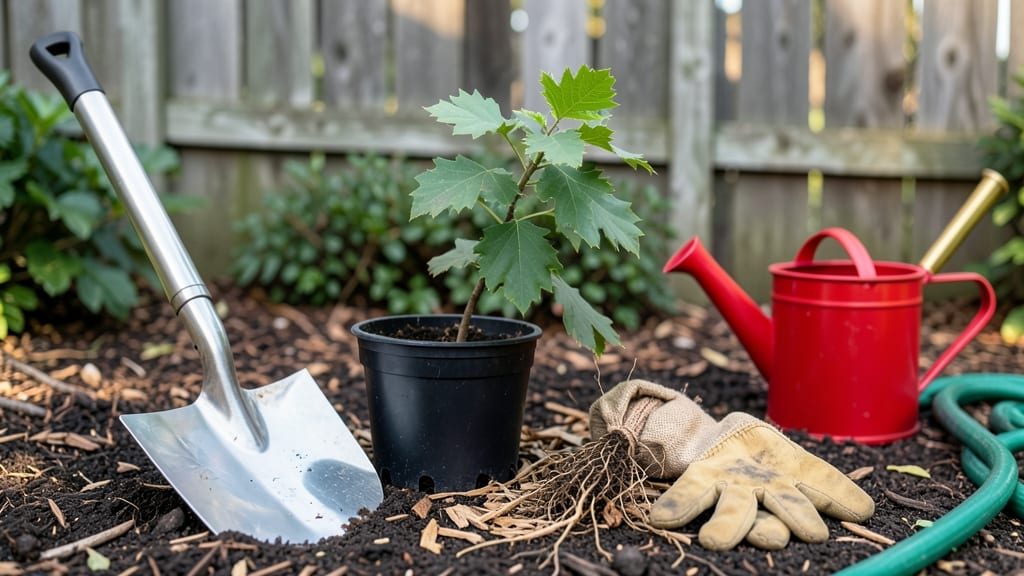
The best time to plant a tree in Iowa is late winter to early spring or fall, when soil temperatures and moisture levels are ideal for root establishment 🌳 — and missing these windows can leave your tree struggling through harsh winters.
Iowa’s climate is unforgiving, with sudden freezes and heavy snows that can shock young roots. Planting outside the recommended window risks transplant shock, stunted growth, or even death—especially in USDA Zones 4b-5a, where winters are long and brutal.
In this guide, I’ll break down the exact months for planting deciduous vs. evergreen trees, soil prep tips to avoid common Iowa pitfalls (like clay-heavy soil), and how to protect your tree’s roots before the first frost hits.
You’ll also discover the top 5 trees that thrive in Iowa’s conditions, plus a foolproof schedule for watering and fertilizing to set your tree up for decades of strong, healthy growth.
Iowa’s ideal tree planting windows: spring vs fall schedule for zones 4b-5a
Iowa’s USDA Zones 4b-5a bring unique challenges for tree planting, with freezing winters and variable spring thaw. The right timing ensures your tree establishes strong roots before winter stress sets in.
Most gardeners in Iowa swear by fall planting—but spring has its advantages too. Let’s break down the best windows and why they matter for your specific region.
Northern Iowa (Zone 4b) typically has a shorter growing season and colder winters, while southern Iowa (Zone 5a) enjoys slightly milder conditions. This means planting windows shift by 2-4 weeks between regions.
For Zone 4b, aim for late April to early May in spring or mid-September to early October in fall. Zone 5a gardeners can extend their spring window to mid-May and fall window to late October.
Here’s the key difference: Fall-planted trees develop roots before dormancy, giving them a head start in spring. Spring planting, however, avoids winter desiccation risks for young roots. Both methods work—but fall is often superior in Iowa’s climate.
| Factor | Spring Planting (April-May) | Fall Planting (September-October) |
|---|---|---|
| Best Soil Temp | 50-60°F (10-15°C) | 50-60°F (10-15°C) |
| Root Establishment | 6-8 weeks before frost | 8-10 weeks before dormancy |
| Watering Needs | High (daily for 2 weeks) | Moderate (weekly) |
| Winter Risk | Low (roots establish before cold) | Moderate (dry winds can stress roots) |
| Best For Iowa | Bare-root trees | Container-grown trees |
| Zone 4b Window | Late April-early May | Mid-Sept-early Oct |
| Zone 5a Window | Mid-April-mid May | Late Sept-late Oct |
For Zone 4b gardeners, timing is critical because the growing season is shorter. Plant in late April to early May when soil temperatures consistently stay above 50°F (10°C). This gives roots time to establish before the first frost, which typically hits by mid-October.
If you miss spring, don’t worry—fall is still your best bet, but aim to plant by mid-September to allow roots to harden off before winter.
In Zone 5a, you’ve got a little more flexibility. Spring planting can extend into mid-May, and fall planting can go until late October. However, avoid planting after the first frost, as cold soil can shock young roots.
Always check your local frost date averages—Iowa State University’s Mesonet is a great resource for real-time data.
One common mistake is planting too early in spring when the ground is still frozen or too late in fall when frost is imminent. Always dig down 6-8 inches to check soil temperature.
If it’s below 50°F (10°C), wait another week. For container-grown trees, you can plant 1-2 weeks earlier than bare-root trees, as their roots are less sensitive to cold.
Pro tip: Mulch heavily after planting—3-4 inches of organic mulch helps retain moisture and insulate roots. In Iowa’s dry summers, mulch also prevents soil temperature swings that can stress young trees. Just keep mulch 6 inches away from the trunk to avoid rot.
How to prepare Iowa soil for tree planting: soil testing, amendments, and drainage fixes
Iowa’s clay-heavy soil and alkaline pH can stunt tree growth if not properly amended. Before planting, I always test my soil—it’s the foundation for healthy roots. The University of Iowa Extension recommends testing 3-6 months before planting to allow time for adjustments.
Most Iowa soils sit between pH 7.0-8.5, which is too alkaline for many trees. Aim for a slightly acidic range (6.0-7.0) for optimal nutrient uptake. If your soil tests high, sulfur amendments or peat moss can lower the pH naturally over time.
I’ve found that compost and well-rotted manure are my go-to amendments. They improve soil structure while adding essential organic matter. For heavy clay, I mix in sand or perlite to prevent compaction around the root zone.
🌱 Key Takeaway: Iowa Soil Prep Timeline
For poor drainage, I always create a raised planting mound in the hole. This prevents waterlogging, which is common in Iowa’s flat terrain. If your yard has standing water after rain, consider planting on a slight slope or installing a French drain nearby.
When creating the planting hole, I avoid digging deeper than the root ball—this prevents root suffocation from compacted soil below. For bare-root trees, I soak the roots for 1-2 hours before planting to rehydrate them completely.
After planting, I always mulch heavily (3-4 inches) using wood chips to retain moisture and regulate soil temperature. Just remember to keep mulch 6 inches away from the tree trunk to prevent rot.