Pests and Diseases
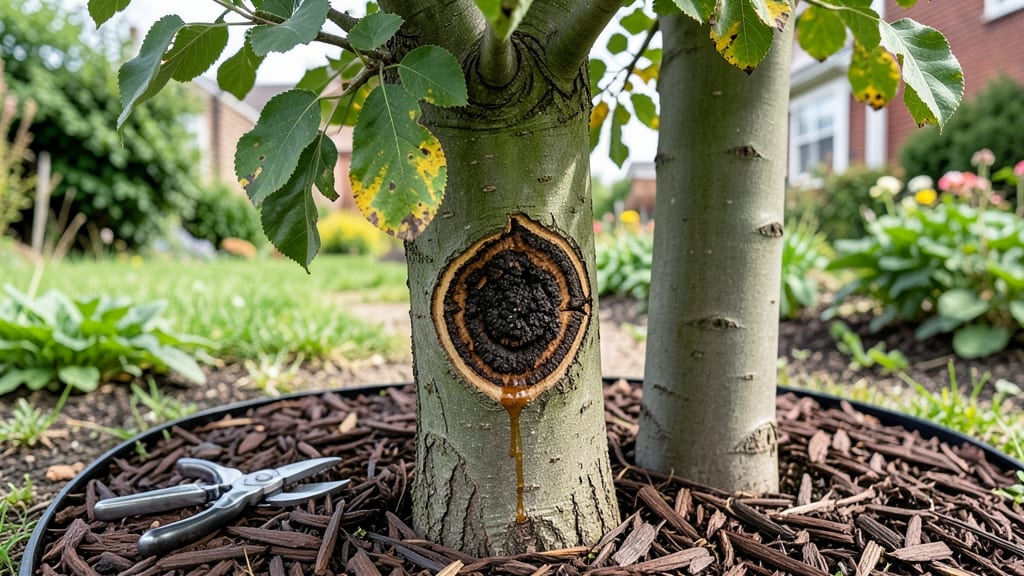
Seeing black streaks or oozing cankers on your apple tree trunk? 🌳 That’s fungus—and it’s stealing your tree’s strength. I’ve nursed back trees with canker, silver leaf fungus, and root rot using these three simple steps, and your tree can bounce back too, even if it looks hopeless now.
The problem starts when wet bark traps spores, creating perfect conditions for fungus to spread. You’ll notice cracked bark, sunken lesions, or even white fungal growth under the surface—all signs your tree is fighting an infection.
The good news? Pruning infected branches, applying copper fungicide, and keeping the trunk dry can stop it dead in its tracks.
Within 2-3 weeks of treatment, you’ll see new growth pushing through, and by next season, your tree will be healthy and productive again. The key is acting fast—once the fungus spreads beyond the bark, the damage becomes permanent.
This works for backyard orchards, container-grown trees, and even mature fruit trees. If the trunk is completely girdled or oozing heavily, though, it’s time to call an arborist before the tree declines further.
Root Causes Of Trunk Fungus
Fungal infections on apple tree trunks don’t just appear out of nowhere—they’re usually a sign of underlying stress or environmental factors creating the perfect breeding ground. Understanding these causes is the first step to stopping the spread and restoring your tree’s health.
Let’s break down the key reasons why fungus takes hold on apple tree bark.
Fungi thrive in wet conditions, and apple tree trunks are especially vulnerable when moisture lingers. Here’s why excess moisture sets the stage for infection:
- Prolonged dampness: Rain, overhead irrigation, or even morning dew can keep the bark wet for hours—ideal for fungal spores to germinate. Venturia inaequalis (the apple scab fungus) and Nectria cinnabarina (canker fungus) both require moisture to infect wounds or healthy tissue.
- Poor air circulation: Dense foliage or crowded trees trap humidity against the trunk, slowing evaporation. Fungi like Botryosphaeria species exploit this stagnant environment to colonize.
- Compacted or waterlogged soil: If the root zone doesn’t drain well, excess water seeps upward, saturating the lower trunk. Pro tip: Test drainage by digging a 12-inch hole near the tree—if water pools after 6 hours, amending the soil with compost or sand can help.
Actionable fix: Space trees 15–20 feet apart for airflow, avoid overhead watering, and prune branches that touch the trunk to create a "fungus-free zone."
Fungi often sneak in through wounds, making damage from pruning, hail, or pests a major risk factor. Here’s how injuries create vulnerabilities:
- Improper pruning cuts: Jagged or overly deep cuts expose inner bark tissues, leaving them susceptible to Nectria canker or Phytophthora (a soil-borne fungus). Pro tip: Always prune during dry weather and sterilize tools with 70% isopropyl alcohol to prevent cross-contamination.
- Animal or machinery damage: Rabbits gnawing bark, lawnmowers nicking the trunk, or even birds pecking at sap can create entry points. Armillaria mellea (honey fungus) exploits these openings to spread underground.
- Sun scald or frost cracks: Sudden temperature swings (e.g., winter sun exposure) can split bark, inviting Botryosphaeria or Valsa fungi. Pro tip: Wrap young trunks with tree wrap in late fall to protect against extreme cold.
Actionable fix: Seal fresh wounds with a fungicide-primer mix (like a 1:1 ratio of copper fungicide and horticultural sealant) within 24 hours. For larger injuries, consult an arborist to avoid further harm.
A healthy tree’s bark and natural defenses (like bark thickness and resin) act as a shield against fungi. When these defenses weaken, infections take hold faster. Key contributors include:
- Nutrient deficiencies: Low potassium or calcium weakens cell walls, making bark more permeable to fungal hyphae. Pro tip: Conduct a soil test—apple trees need pH 6.0–7.0 and balanced NPK (especially potassium).
- Stress from drought or overwatering: Both extremes disrupt the tree’s ability to produce protective resins. Cytospora canker often follows drought stress, while Phytophthora thrives in waterlogged roots.
- Pest infestations: Sap-sucking insects (like aphids or scale) create sticky residues that trap spores, while borers tunnel into the trunk, leaving it vulnerable to secondary fungal infections.
Actionable fix: Apply a slow-release fertilizer in early spring (e.g., 10-10-10 NPK) and monitor for pests with sticky traps or horticultural oil sprays.
Fungi don’t just appear—they hitchhike on wind, tools, or even wildlife. Here’s how spores jump from tree to tree:
- Windborne spores: Venturia inaequalis (apple scab) spores travel up to 50 miles in wind, landing on wet bark. Pro tip: Prune infected branches before spores mature (late winter) and dispose of them in sealed bags.
- Tool contamination: Pruners, saws, or even your hands can transfer spores from infected to healthy trees. Always sterilize tools between trees with bleach (1 part bleach to 9 parts water).
- Wildlife vectors: Birds, squirrels, and even deer can spread fungal spores via their feet or beaks. Pro tip: Install tree guards (spiral wraps) on young trunks to deter animals.
Actionable fix: Create a 3-foot "clean zone" around the trunk—remove mulch, weeds, and debris that harbor spores.
By addressing these root causes, you’re not just treating symptoms—you’re cutting off the fungus’s lifeline. The next step? Targeted rescue strategies to revive your apple tree’s bark.
Revive Your Tree’s Bark: Step-by-Step Fixes
Finding fungus creeping up your apple tree trunk can feel like a silent threat to your harvest—until you act. The good news? With the right approach, you can stop the spread, restore bark health, and protect future fruit.
Below are targeted solutions based on the most common causes, from quick fixes to long-term prevention. Let’s get your tree back in fighting shape!
If the fungus looks like black, sunken sores or orange-red spore masses, it’s likely a canker or similar disease. These weaken the tree’s structure and can kill branches—or worse, the whole tree—if ignored.
#### 🔥 Step 1: Prune Infected Areas - 🔪 Cut out infected bark 6–12 inches below and above the visible damage using sterilized pruners (wipe blades with rubbing alcohol between cuts). - 🌡️ Burn or bag the removed wood immediately—never compost it, as spores can survive. - ✨ Pro Tip: Prune on a dry day to reduce splashing spores. Seal cuts with pruning sealant (optional but helpful for large wounds). #### 🍳 Step 2: Apply Fungicide - 💡 Best options: - Copper fungicide (e.g., Copper Sulfate) – Effective against canker and works as a preventative. - Neem oil (1% solution) – Organic, safe for bees, and disrupts fungal growth. - Baking soda spray (1 tbsp baking soda + 1 gallon water + a drop of dish soap) – Budget-friendly for mild cases. - 👨🍳 Spray the trunk, branches, and soil around the base. Reapply every 2–4 weeks during wet seasons. #### 🌿 Step 3: Boost Tree Health - 💪 Fertilize with a balanced, slow-release fertilizer (e.g., 10-10-10) in early spring to strengthen defenses. - 🥗 Mulch with wood chips or straw, keeping it 2–3 inches deep and 6 inches away from the trunk to improve drainage and reduce moisture retention.If the fungus appears as mushy, grayish growth or blackened bark near the base, your tree might be drowning in its own soggy soil. Fungi love moisture—soak up this fix!
#### 💦 Step 1: Improve Drainage - 🏗️ Amend the soil with sand or perlite (mix 1 part into the top 6 inches of soil). - 🌡️ Raise the base slightly by adding a 6-inch ring of gravel around the trunk (sloped outward to direct water away). - ✨ Pro Tip: Plant grasses or clover around the tree (not mulch) to absorb excess water naturally. #### 🍳 Step 2: Adjust Watering Habits - 💧 Water deeply but infrequently—aim for 1–1.5 inches per week (including rain). - ⏰ Water in the morning so foliage dries by evening, reducing fungal growth. - 🚫 Avoid wetting the trunk—use a soaker hose or drip irrigation to target roots. #### 🌿 Step 3: Aerate the Soil - 🔥 Use a garden fork to poke holes 12 inches deep around the tree’s drip line (the edge of its canopy). - 💡 Repeat annually in early spring to prevent compaction.If you spot sticky residue (honeydew) or tiny holes in the bark, pests like aphids or scale insects may be weakening the tree, making it susceptible to fungus. Kill the pests first!
#### 🐛 Step 1: Blast Off Pests - 💦 Spray with soapy water (1 tbsp mild dish soap + 1 gallon water) to smother soft-bodied insects. - 🌿 Introduce beneficial insects like ladybugs or lacewings (buy online or attract with neem oil). - 🔥 For severe infestations, use horticultural oil (apply in late winter/early spring when pests are dormant). #### 🍳 Step 2: Seal the Tree - 🛡️ Cover the trunk with tree wrap (plastic or fabric) to block new infestations. Remove in late winter to avoid trapping moisture. #### 🌡️ Step 3: Monitor & Repeat - 👀 Check weekly for new pests, especially after rain (they thrive in damp conditions). - 💡 Prune heavily infested branches and dispose of them in sealed bags.An ounce of prevention is worth a pound of cure—especially with fungus. Here’s how to lock in your tree’s health long-term:
- 🌡️ Prune in dry weather and sterilize tools between cuts. - 🍂 Clean up fallen leaves/debris in autumn (fungus hibernates here!). - 🌿 Space trees 10–15 feet apart for airflow (crowding = fungus heaven). - 💪 Feed in early spring with low-nitrogen fertilizer (e.g., 5-10-10) to avoid soft, fungus-loving growth. - 🌧️ Install a drip irrigation system to avoid overhead watering.With these fixes, your apple tree’s trunk should heal within a season—and stay fungus-free for years to come. 🍏✨ Stay vigilant, and your tree will thank you with bountiful harvests!
Frequently asked questions
What does fungus on an apple tree trunk look like?
Fungal growth on apple tree trunks often appears as black streaks, sunken cankers, or orange-red spore masses. You may also see oozing sap, cracked bark, or white fungal threads under the surface. Early signs include discolored patches that spread over time—don’t wait until you see mushrooms growing at the base!
Can I save my apple tree if the fungus has already spread?
Yes, but act fast! If the fungus is confined to small areas, prune infected branches 6–12 inches below the damage and apply copper fungicide. For severe cases (like girdling cankers), consult an arborist—they may recommend professional treatments or even tree removal if the trunk is structurally compromised.
Is copper fungicide safe for my apple tree?
Yes, copper fungicides (like Copper Sulfate) are effective and safe when used correctly. Apply during dry weather to avoid leaf burn, and follow label instructions. For organic options, neem oil or baking soda sprays work well too—just reapply every 2–4 weeks during wet seasons.
How can I prevent fungus from coming back next year?
Focus on drainage, airflow, and sanitation. Space trees 10–15 feet apart, avoid overhead watering, and mulch 6 inches away from the trunk. Prune in dry weather, sterilize tools, and remove fallen leaves/debris in autumn to break the fungus’s life cycle.
Will fungicides harm bees or beneficial insects?
Most fungicides (like copper or neem oil) are bee-safe when applied correctly. Avoid spraying during bloom time, and opt for organic options like neem oil or baking soda sprays. Always check product labels—some synthetic fungicides require protective measures for pollinators.