
Plants
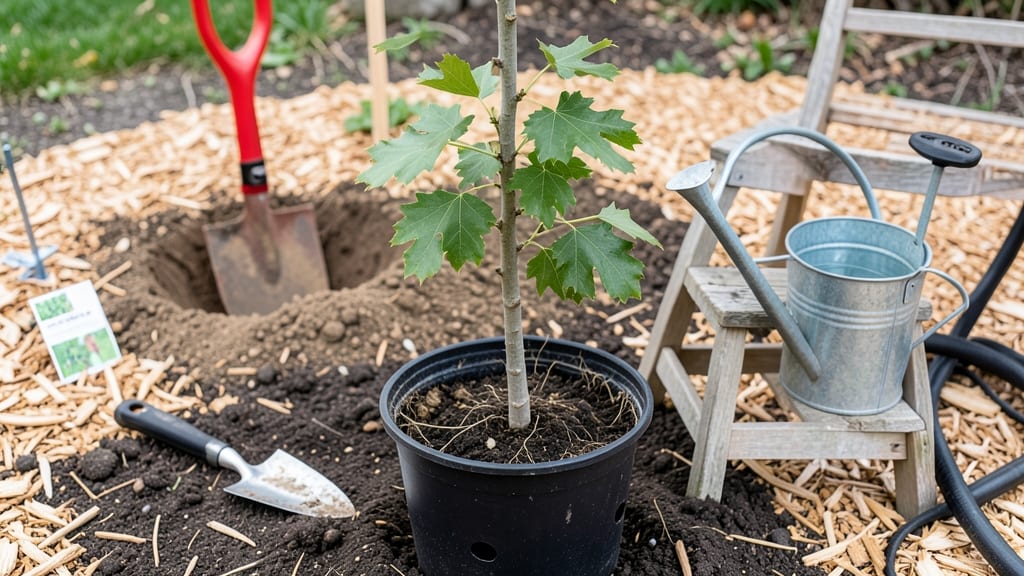
Planting a tree in Colorado at the right time can make the difference between a struggling sapling and a thriving 🌳—and with frost dates varying from April 15 in Denver to late May in high-altitude areas, timing isn’t just guesswork.
Picture this: you’ve just dug the hole, the roots are settled, and then—_BAM_—a late frost hits. Your new tree spends its first weeks fighting for survival instead of growing strong. That’s why understanding Colorado’s USDA Zones 5-7 isn’t optional; it’s the key to success.
Whether you’re on the Front Range, the Western Slope, or the Eastern Plains, the best window to plant is late spring to early fall—April 15 to June 15 or September 1 to October 15.
But here’s the catch: deciduous trees like oak and maple need that early spring boost, while evergreens like pine and spruce can handle fall planting.
Below, I’ll break down the exact frost dates by region, the best tree species for each season, and the three mistakes that kill young trees before they even take root. Let’s get your tree off to the right start.
Colorado’s frost dates and planting zones: when to plant trees by region
Colorado’s diverse climate zones create unique challenges for tree planting. From the Front Range’s urban heat islands to the Western Slope’s arid conditions, timing matters. Planting too early risks frost heave, while late planting may stunt root growth before winter.
Understanding your USDA Hardiness Zone and local frost dates is the first step to success.
Most Colorado regions fall within USDA Zones 4-7, but elevation changes everything. Denver sits in Zone 5b-6a, while high-altitude areas like Leadville (Zone 4a) face earlier frosts.
The Eastern Plains (e.g., Colorado Springs) enjoy slightly warmer microclimates, while the Western Slope (e.g., Grand Junction) has longer growing seasons due to lower elevations.
Last frost dates vary dramatically: Denver averages April 15, while Fort Collins may see frost until May 1. High-altitude areas like Aspen (Zone 5a) can experience frost well into June. These dates determine your planting window—typically April 15 to June 15 for spring planting or September 1 to October 15 for fall.
Here’s how to navigate Colorado’s planting zones with confidence:
| Region | USDA Zone | Avg. Last Frost | Avg. First Frost | Best Planting Window | Notes |
|---|---|---|---|---|---|
| Front Range (Denver, Boulder) | 5b-6a | April 15 | October 15 | April 15-June 15 or Sept 1-Oct 15 | Urban heat islands delay frost; water deeply in summer. |
| Western Slope (Grand Junction, Durango) | 6b-7a | March 15 | November 1 | March 15-May 15 or Sept 15-Oct 31 | Drier climate; mulch heavily to retain moisture. |
| Eastern Plains (Colorado Springs, Pueblo) | 6a-6b | April 1 | October 30 | April 1-June 1 or Sept 1-Oct 15 | Wind exposure; stake young trees. |
| High Altitude (Aspen, Leadville) | 4a-5a | June 1 | September 15 | June 15-July 15 (spring) or Aug 1-Sept 15 (fall) | Short growing season; choose cold-hardy species. |
For bare-root trees, aim to plant in early spring (before buds swell) or early fall (6-8 weeks before frost). These trees establish roots quickly in cool soil. Container-grown trees, however, offer more flexibility—they can be planted throughout the growing season, including late spring or early fall.
Colorado’s microclimates can shift frost dates by weeks. For example, Boulder’s urban areas may warm up faster than rural Weld County. Check local CoCoRaHS weather stations or your county extension office for precise data. Even a 10-degree difference can delay or advance frost by 2-3 weeks.
Evergreens like Ponderosa pine or Blue spruce handle Colorado’s dry winds better than broadleaf species. If planting in Zone 4 or higher elevations, opt for cold-hardy varieties like Rocky Mountain juniper or Colorado blue spruce. These species thrive in drought-prone soils and freeze-thaw cycles.
After planting, water deeply for the first 2 weeks to encourage root
Best tree species for Colorado planting seasons: spring vs. fall strategies
Colorado gardeners know timing is everything—especially when planting trees. The Front Range and Western Slope have different frost patterns, and choosing the right planting season for your tree species can mean the difference between a 20-year-old oak and a shriveled sapling.
Spring planting gives trees a head start, while fall offers cooler temps and fewer pests. Let’s break down the best native species for each season and how Colorado’s microclimates play a role.
For spring planting, focus on deciduous trees like quaking aspen and cottonwood, which establish roots quickly before summer heat. These thrive when planted between mid-April and early June, avoiding late-season drought.
Meanwhile, fall planting excels for evergreens such as blue spruce and ponderosa pine, which benefit from 6-8 weeks before frost to settle in before winter dormancy. Colorado’s high-altitude zones (like Vail) shift these windows earlier by 2-3 weeks.
🌱 numbered highlights
- 🌿 Spring Planting (April-June): Best for deciduous trees like American elm and green ash—plant before bud break to avoid transplant shock.
- 🌲 Fall Planting (Sept-Oct): Ideal for evergreens like Engelmann spruce—roots grow slowly in cool temps, reducing transpiration stress.
- ❄️ High-Altitude Adjustments: Plant 1-2 weeks earlier in zones above 8,000 ft (e.g., Rocky Mountain juniper thrives in Zone 5).
- 💧 Watering Rule: Deep watering 2x/week for first 3 months post-planting, regardless of season.
- 🌡️ Soil Prep Tip: Amend clay-heavy soils (common in Denver) with compost to improve drainage.
My top 5 native trees for spring are quaking aspen (fast-growing shade), green ash (drought-tolerant), cottonwood (moisture-loving), American plum (ornamental), and boxelder maple (urban-friendly). These handle Colorado’s spring frost risks better than tropical imports.
For fall, prioritize blue spruce (colorful foliage), ponderosa pine (arid-adapted), Rocky Mountain juniper (low-maintenance), Douglas fir (tall growth), and serviceberry (edible berries).
Evergreens planted in fall benefit from cooler temps and reduced pest pressure, while spring-planted deciduous trees avoid winter desiccation. In dry climates like Grand Junction, mulch heavily (3-4 inches) to retain moisture.
For high-altitude areas, choose cold-hardy species like limber pine, which tolerates Zone 4 conditions. Always check USDA Zone maps for your specific location—Denver’s Zone 5b differs from Durango’s Zone 6a.
Pro tip: Container-grown trees can be planted in either season, but bare-root varieties (like saplings) must go in during dormant periods. Avoid planting after July 1—summer heat stresses roots before they establish.
For urban landscapes, opt for smaller natives like serviceberry or chokecherry to minimize root competition with sidewalks.
Colorado’s microclimates demand flexibility. If you’re in eastern plains (e.g., Pueblo), extend spring planting to mid-June due to later frosts. In mountain valleys, start fall planting by mid-September.
Always monitor soil moisture—drought stress is the #1 killer of newly planted trees in Colorado’s arid zones. With the right species and timing, your tree will thrive for decades.