
Pruning
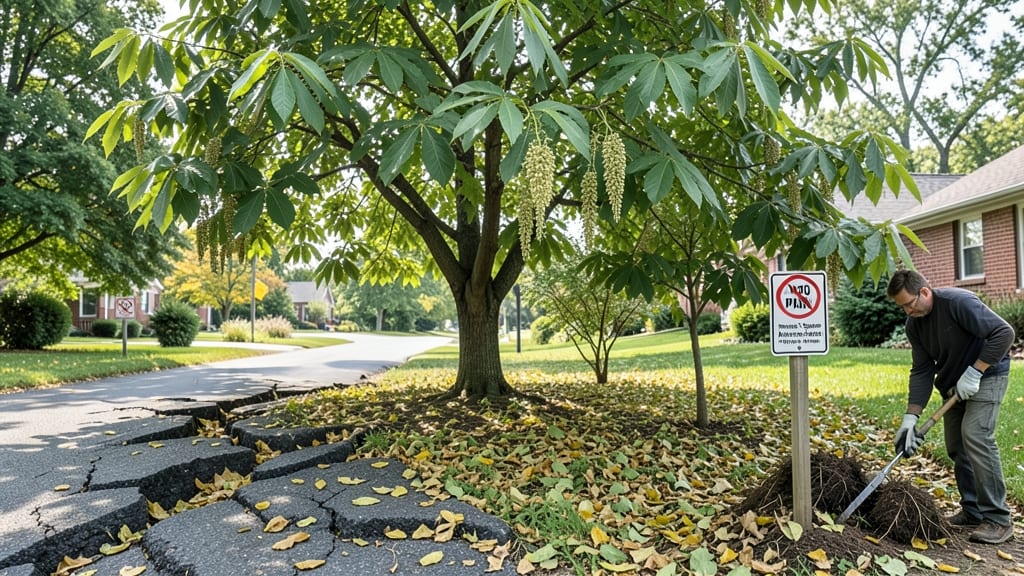
Tree of heaven is bad because it spreads aggressively, choking out native plants with its deep roots and chemical inhibitors, while its toxic sap and airborne allergens create serious health hazards for people and pets. This invasive species thrives in disturbed areas, disrupting entire ecosystems.
The tree of heaven's rapid expansion isn't just about size—its roots can spread 75 feet from the trunk, competing with other plants for water and nutrients. 🌱 This invasive species also releases chemicals called allelopathic compounds that poison nearby vegetation, creating a "no-grow zone" around it.
Even worse, its pollen triggers severe allergies in some people, and its sap causes skin rashes upon contact. Once established, removing it becomes a costly and difficult process.
If you're dealing with this tree on your property, early intervention is key. The deeper its roots grow, the harder it becomes to eradicate completely. I recommend consulting local agricultural extensions for removal strategies tailored to your region—some areas even require special permits for disposal due to its invasive nature.
💡 In This Article
- Ecological Damage: How Tree of Heaven Outcompetes Native Species
- Health Risks: Toxicity and Allergens from Tree of Heaven
Ecological damage: how tree of heaven outcompetes native species
The tree of heaven's ecological destruction begins with its explosive growth rate, capable of adding 3-6 feet per year under ideal conditions. This rapid expansion allows it to dominate landscapes faster than most native trees, which typically grow 1-2 feet annually.
The real damage comes from its aggressive root system, which can spread 75 feet horizontally from the trunk, creating an impenetrable underground network that steals water and nutrients from surrounding plants.
What makes it even more dangerous is its ability to produce allelopathic chemicals—natural toxins released through its roots and leaves. These compounds, called ailanthone and sesquiterpene lactones, seep into the soil and suppress the growth of competing plants within a 10-15 foot radius.
Studies show these chemicals can reduce seed germination rates by up to 90% in nearby vegetation, effectively creating a "dead zone" where few other plants can survive. 🌱 This chemical warfare explains why forests invaded by tree of heaven often show dramatic declines in biodiversity within just a few years.
The tree's seed dispersal strategy further accelerates its spread. Each tree can produce 100,000+ seeds annually, which are lightweight and carried by wind for miles. These seeds germinate readily in disturbed soils—areas cleared for construction, abandoned fields, or after wildfires—giving the tree a competitive advantage over slower-growing native species.
Once established, its deep taproot system makes it resistant to drought, allowing it to outlast many other plants during dry periods.
For local ecosystems, the impact is devastating. Native plant species that rely on specific soil conditions or mycorrhizal relationships can't compete, leading to simplified plant communities. This loss of diversity cascades through food webs, affecting insects, birds, and mammals that depend on native flora for food and habitat.
In some regions, tree of heaven invasions have reduced understory plant diversity by 60-70%, creating monoculture forests that resemble agricultural plantations rather than natural ecosystems.
What most people don't realize is how these ecological changes affect water cycles. The tree's dense canopy increases evaporation rates while its deep roots extract water from deep soil layers, sometimes lowering groundwater tables in affected areas.
This can create dry conditions that further stress remaining native vegetation, creating a vicious cycle of ecological degradation. 💀
Consider this comparison: A healthy forest might support 50+ different plant species in a single acre, while an invaded area may contain just 5-10 species, with tree of heaven dominating.
This loss of plant diversity isn't just an ecological issue—it's an economic one too, as native plants often provide timber, medicinal compounds, and ecosystem services that invasive species can't replicate.
The most alarming aspect is how quickly these changes occur. Ecologists have documented cases where tree of heaven invasions transformed entire landscapes within 15-20 years, making it one of the most aggressive invasive species in North America.
The combination of its growth rate, chemical warfare, and seed dispersal creates a perfect storm of ecological disruption that's difficult to reverse once established.