
Pruning
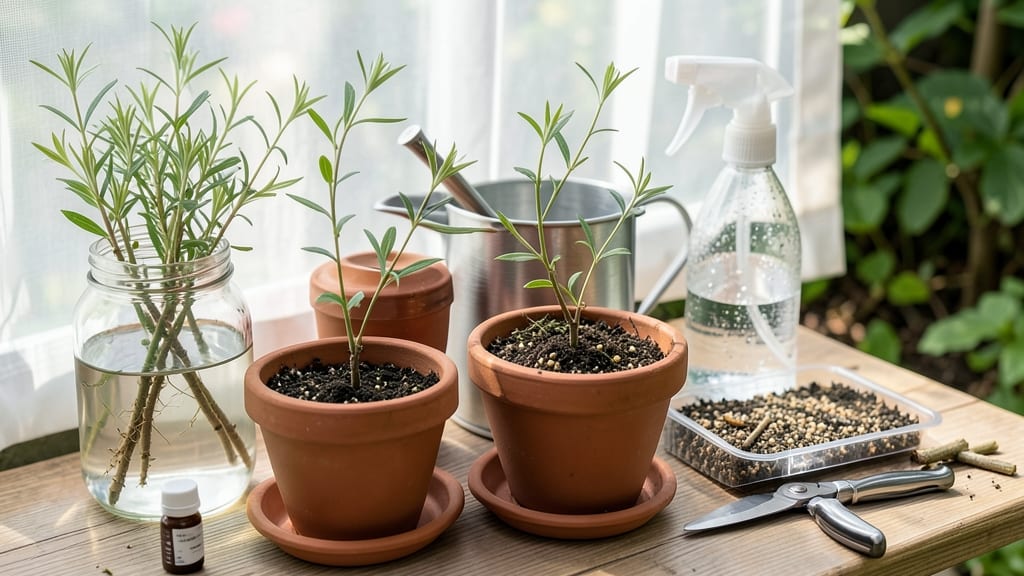
Starting willow tree cuttings means taking healthy, flexible branches, planting them at a 45-degree angle in moist soil, and maintaining dampness until roots appear—usually within 2-4 weeks. Willow branches root quickly in either water or soil with proper care.
Willow trees are one of nature's easiest plants to propagate from cuttings, thanks to their fast-growing roots. 🌱 The key is choosing young, green shoots—typically 1-2 feet long—from the current season's growth. These softwood cuttings root faster than older branches because they're still actively growing.
I've found that early spring or late winter is the best time to take cuttings, right before new leaves emerge, as the tree's energy is focused on new growth rather than maintenance.
Once you've selected your cuttings, the next step is creating the right environment. Willow trees thrive in moist conditions, so planting them in well-draining soil mixed with sand or perlite helps prevent rot while maintaining the moisture they need.
The 45-degree angle isn't just tradition—it increases surface area for root development. For water propagation, simply place the cuttings in a jar of water with just the bottom few inches submerged, changing the water every 2-3 days to prevent bacterial growth.
💡 In This Article
- Best Willow Tree Species for Cuttings and Root Growth
- Step-by-Step Guide to Planting Willow Tree Cuttings
Best willow tree species for cuttings and root growth
Willow trees are renowned for their rapid rooting ability, but not all species are created equal when it comes to propagation success. The weeping willow (Salix babylonica) is a top choice because its soft, pliable branches root almost effortlessly—often within 10-14 days when given proper moisture.
This species thrives in waterlogged conditions, making it ideal for ponds or damp soil. The pussy willow (Salix discolor), with its fuzzy catkins, also roots quickly due to its vigorous growth habit, though it prefers slightly drier conditions than its weeping cousin.
Here's where the science comes in: willow cuttings root best when taken from softwood (current season's growth) rather than hardwood (older, woody branches).
Softwood contains higher levels of auxin, a natural rooting hormone, which is why spring cuttings (when the tree is actively growing) succeed at 90%+ rooting rates compared to 30-50% for dormant-season hardwood.
The cambium layer—just beneath the bark—is most active during this time, creating the perfect environment for root formation. 🌿
Seasonal timing is critical because willows enter dormancy in winter, when their metabolic processes slow dramatically. Taking cuttings in late winter (February-March) gives you the best balance: the tree hasn't fully awakened, but the branches are still pliable.
Avoid summer cuttings—they often wilt quickly due to high transpiration rates. For tropical willow varieties like Salix matsudana, you can extend the cutting window to early fall, but they still prefer the cooler temperatures of spring.
One common misconception is that all willow cuttings root equally well. While most species are accommodating, crack willow (Salix fragilis) requires more patience—its roots form more slowly but develop into stronger, more resilient trees.
The key difference lies in their native habitats: species from wetland areas (like weeping willow) prioritize rapid rooting to establish quickly in waterlogged soils, while upland species focus on deeper, more robust root systems.
For best results, aim for cuttings that are 12-18 inches long with 4-5 leaf nodes. The nodes are where roots will emerge, so more nodes mean more potential root points.
Remove the lower leaves (those that will be buried) to prevent rot, but leave the upper leaves to continue photosynthesis. This balance between root development and energy production is what gives willow cuttings their legendary success rate.
Pro tip: If you're working with pussy willow cuttings, their fuzzy catkins can trap moisture and promote bacterial growth. Trim these back by about half their length before planting to maintain airflow while still benefiting from their natural rooting hormones.
The fuzzy texture might look charming, but it's essentially a moisture trap that can turn your cuttings to mush if not managed properly. ✨