
Pruning
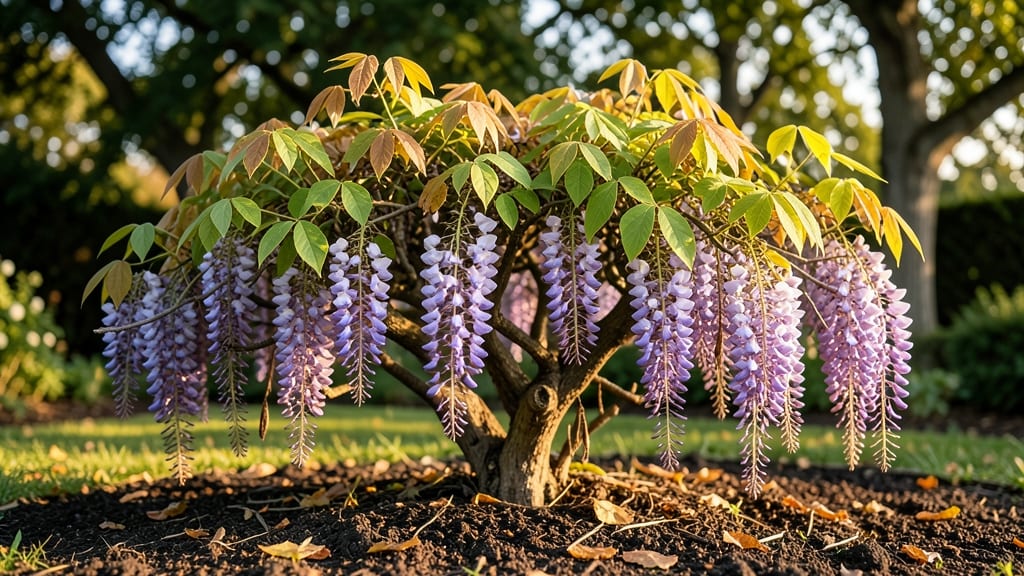
Winter is when your wisteria tree does its quiet magic—preparing for next year's showstopping blooms. 🌱 I've learned that treating dormancy as a critical season (not just a waiting period) makes all the difference in spring performance. The right winter care transforms a tangled mess into a vigorous, flowering powerhouse.
Start with pruning: cut back last year's growth by one-third in late winter, right before buds swell. This opens the canopy to sunlight and air, preventing fungal diseases that thrive in damp winter clusters.
Wrap young trunks with burlap to shield tender bark from sunscald, and mulch heavily around the base to insulate roots from freeze-thaw cycles.
What you'll end up with is a tree that bursts into growth earlier, produces more abundant blooms, and resists winter damage better than neglected plants. The secret isn't complicated—just timing, proper cuts, and protecting what's already there while nature does the heavy lifting underground.
This works for both mature specimens and new plantings, though younger trees need extra protection. Whether you're dealing with a 10-year-old climber or a fresh sapling, these winter steps set the stage for a spectacular spring rebirth.
📚 In This Guide
- What you need
- Instructions
- Tips and common mistakes
- Wrapping up and next steps
What you need
- ● Pruning shears: Bypass shears (sharp, 6-8 inch blades) for clean cuts on smaller branches.
- ● Loppers: 1 pair (8-12 inch blades) for thicker branches (½–1½ inches in diameter).
- ● Pruning saw: 1 (for branches thicker than 1½ inches). Look for a curved blade for precision.
- ● Gloves: Heavy-duty, cut-resistant gloves (2 pairs) to protect hands from thorns and rough bark.
- ● Disinfectant: 70% isopropyl alcohol or a 10% bleach solution (1 part bleach to 9 parts water) to sterilize tools between cuts.
- ● Rope or twine: 50 feet of sturdy, weather-resistant twine (for tying branches if needed).
- ○ Pruning sealant: Optional but helpful (e.g., tree wound paint) for large cuts to prevent disease.
- ● Weather check: Prune on a dry, calm day (avoid frost or rain within 24 hours).
- ● Safety gear: Safety glasses and long sleeves to protect against debris and thorns.
- ● Ladder or stool: Adjustable ladder or sturdy stool (if tree exceeds 8 feet tall).
- ● Cleanup supplies: Heavy-duty trash bags (2-3) for debris and a rake or broom for cleanup.
- ● Tree knowledge: Familiarize yourself with your wisteria’s growth habit—identify old wood (last year’s growth) and new wood (current year’s growth).
Step-by-Step guide to winter care for your wisteria tree
Winter is when wisteria trees build strength for next year’s spectacular blooms—here’s how to protect yours.
⏰ Step 1: Prune for Structure and Health
Prune your wisteria in late winter (just before buds swell) to shape the tree and encourage strong growth. Start by removing any dead, diseased, or crossing branches—these compete with healthy wood for energy. Use clean, sharp pruning shears to make cuts just above a bud or branch collar, angled slightly away from the bud.
Next, thin out overcrowded areas to improve airflow and sunlight penetration. Aim to open the center of the tree so light reaches all branches. I like to step back every few cuts to visualize the shape—wisteria grows aggressively, so restraint now prevents a tangled mess later. Never remove more than 25% of the foliage in one season, or you’ll stress the tree.
💧 Step 2: Water Deeply Before Dormancy Sets In
Give your wisteria a deep watering in late fall (before the ground freezes) to replenish moisture lost over winter. Water slowly at the base, letting it soak 6-8 inches deep—you’ll know it’s enough when the soil feels damp but not soggy. This hydration helps roots withstand freeze-thaw cycles and prepares the tree for spring.
If your area experiences heavy snowfall, gently brush snow off the branches to prevent breakage. Avoid piling snow against the trunk, as it can insulate too much and cause rot. Mulch the base with 2-3 inches of organic mulch (like shredded bark) to regulate soil temperature and retain moisture. Keep mulch 6 inches away from the trunk to prevent rot.
☀️ Step 3: Protect Against Frost and Wind Damage
Young wisteria trees or those in exposed areas need extra protection from winter elements. Wrap the trunk with tree guard or burlap to shield it from sharp winds and frost. Secure it loosely—too tight can girdle the bark as the tree swells in spring. For older trees, focus on securing loose branches by tying them to stakes with soft twine.
If your region gets below 0°F, drape a breathable frost cloth over the canopy to shield buds from extreme cold. Remove it on mild days to prevent mold buildup. I’ve found that wisteria buds are surprisingly hardy, but a little extra care ensures they’ll burst into bloom come spring. Avoid heavy blankets or plastic, which trap moisture and invite rot.
🌱 Step 4: Monitor for Pests and Disease
Winter is the perfect time to check for pests hiding in bark crevices or leaf litter. Look for signs of scale insects, spider mites, or borers—common overwintering culprits. Gently scrape off any visible pests and dispose of them in soapy water. If you spot holes in the bark or sawdust-like frass (borer droppings), treat with neem oil or horticultural oil in early spring.
Also, inspect for fungal signs like black spots or powdery mildew on dormant branches. Prune away infected areas immediately and sterilize your tools with rubbing alcohol between cuts. Healthy winter care now prevents a full-blown infestation when the tree wakes up in spring. I always keep a small spray bottle of neem oil handy—just a few sprays in late winter can deter pests before they become a problem.
✂️ Step 5: Plan for Spring Fertilization
While the tree is dormant, mark your calendar for early spring fertilization (just as buds begin to swell). Use a balanced, slow-release fertilizer (like 10-10-10) to provide steady nutrients without burning tender new growth. Scatter the granules evenly under the drip line and water deeply to activate them.
This is also the time to test your soil’s pH—wisteria thrives in slightly acidic to neutral soil (6.0-7.0). If your soil is too alkaline, amend it with sulfur or peat moss in the spring. A simple soil test kit from your local garden center will give you the data you need. Healthy soil now means vibrant blooms and lush foliage later—don’t skip this step!
Tips & tricks for perfect winter wisteria care
Winter might seem like a quiet time for your wisteria, but these small details make all the difference for next year's blooms.
Pruning Precision: When you're pruning in Step 1, focus on making clean cuts just above the bud—this is where new growth will emerge. I've learned the hard way that leaving stubs can invite disease, so take your time with each cut. Use a sharp pair of pruning shears and make the cut at a 45-degree angle away from the bud to prevent water from pooling on the wound. This technique also helps the tree heal faster and directs growth where you want it.
Winter Watering Wisdom: That deep watering in Step 2 should happen before the ground freezes completely. I check soil moisture by pushing a screwdriver into the ground—if it goes in easily, your tree likely needs water. For areas with heavy clay soil, consider installing a soaker hose near the base before winter sets in. This ensures consistent moisture without over-saturating the roots, which can lead to rot during freeze-thaw cycles.
Frost Protection Hacks: If your region dips below 0°F, don't just throw any old blanket over your wisteria. Use a breathable frost cloth that allows air circulation while blocking cold winds. I've found that wrapping the trunk with tree guard creates a microclimate that can raise temperatures by several degrees. For extra protection, secure the cloth with soft twine—just make sure it's loose enough that the tree can swell naturally in spring without the wrap cutting into the bark.
Pro Tips for Wisteria Tree In Winter
- Winter might seem like a quiet time for your wisteria, but these small details make all the difference for next year's blooms.
- Pruning Precision: When you're pruning in Step 1, focus on making clean cuts just above the bud—this is where new growth will emerge.
- Winter Watering Wisdom: That deep watering in Step 2 should happen before the ground freezes completely.
Frequently asked questions
Got questions about keeping your wisteria thriving through winter?
Here are answers to the most common ones—so you can prep for stunning spring blooms!
Do wisteria trees die in winter?
Not at all! Wisteria is deciduous, meaning it naturally sheds leaves in winter to conserve energy. The wood stays alive underground, and roots remain active in mild climates. In colder zones (below USDA Zone 5), young trees may need winter protection like burlap wraps or mulch to shield roots from freezing.
When should I prune wisteria in winter?
Winter (late January to early March) is the best time to prune wisteria in colder climates. Wait until after the worst frost passes but before new growth starts. In warmer zones (Zone 8+), prune after flowering in late winter/early spring. Never prune in fall—it encourages tender growth that can’t survive winter!
Can I prune wisteria too much in winter?
Yes! Over-pruning in winter can stress the tree, reducing next year’s blooms. Aim to remove no more than 1/3 of the total growth—focus on:
- Dead or crossing branches
- Weak, leggy stems
- Shoots growing toward the center (to improve airflow)
How do I protect wisteria from winter cold?
For young trees or harsh winters:
- Wrap the trunk with burlap or tree guard to block windburn.
- Add 3–4 inches of mulch around the base (keep it 6 inches from the trunk).
- Water deeply before the ground freezes to hydrate roots.
- In extreme cold (<10°F), drape frost cloth over the canopy if buds are vulnerable.
What if my wisteria doesn’t bloom in spring?
No blooms? Check these fixes:
- Age: Wisteria often takes 3–5 years to flower.
- Pruning: If you cut back all old wood (where blooms form), delay pruning until you see buds.
- Sunlight: Wisteria needs 6+ hours of sun daily—move it if shaded.
- Fertilizer: Apply a balanced, low-nitrogen fertilizer in early spring to encourage flowering.
Wrapping up and next steps
Even in winter’s quiet embrace, your wisteria tree holds the promise of vibrant spring blooms—if you tend to it wisely. By understanding its dormant phase, gathering the right tools, and mastering pruning techniques, you’re not just preparing for growth; you’re crafting a masterpiece. 🌿✨
Ready to unlock your wisteria’s full potential? Start small: pick a single branch to practice pruning, then build confidence as you tackle larger sections. Before you know it, you’ll be rewarded with cascades of fragrant flowers—and bragging rights! 🌸