
Blooming
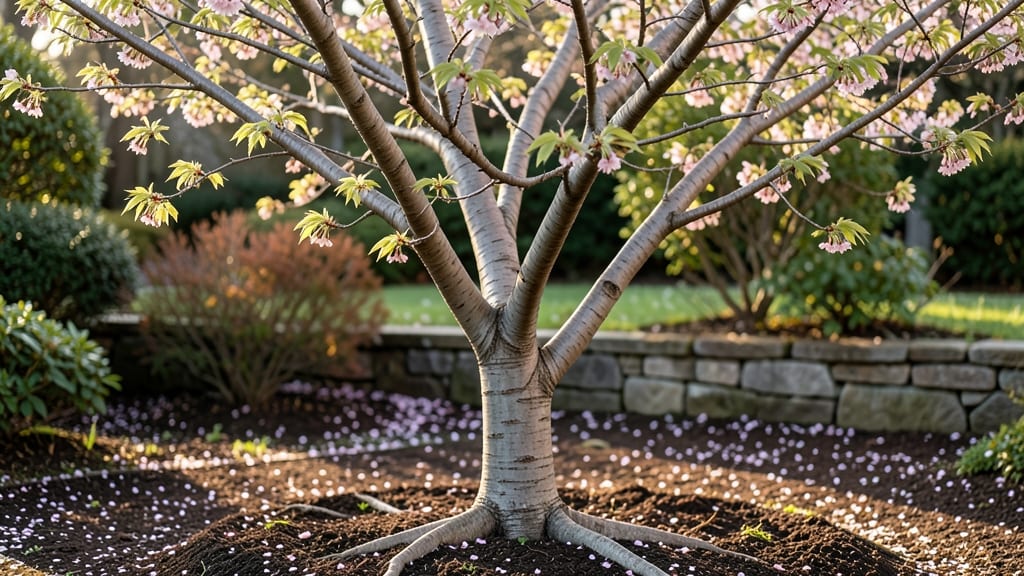
After those stunning pink clouds fade, your Yoshino cherry tree needs care to stay strong for next year. 🌸 I’ve learned the hard way that skipping post-bloom maintenance means weaker growth and fewer flowers—so I’ll show you exactly what to do now to keep your tree thriving.
Start by clearing fallen petals (they can smother roots and attract pests), then prune any dead or crossing branches. The best time to prune is late spring or early summer, when the tree has finished flowering but before new growth gets too tender.
A sharp pair of pruners and a clean workspace are all you’ll need. By summer’s end, your tree will reward you with rich green foliage and even small, edible cherries (if pollinated). The key is consistent watering—deep but infrequent—to encourage strong root development.
Mulch helps retain moisture and keeps weeds at bay. This routine turns a one-season showstopper into a year-round asset. Next spring, you’ll be the first on your block with blossoms again—if you start these steps now.
📚 In This Guide
- What you need
- Instructions
- Tips and common mistakes
- Wrapping up and next steps
What you need
- ○ Pruning shears: Bypass pruners (sharp, clean, and sterilized with rubbing alcohol). Optional: Loppers for thicker branches.
- ● Gloves: Heavy-duty gardening gloves (nitrile-coated for durability).
- ● Mulch: 2–3 inches of organic mulch (e.g., shredded bark, wood chips, or compost). Tip: Avoid fresh wood chips near the trunk to prevent rot!
- ● Fertilizer: Balanced fertilizer: 10-10-10 or 20-20-20 (follow package rates for application).
- ● Slow-release option: Organic options like composted manure or granular fertilizer.
- ● Watering tools: Garden hose with a soaker hose or drip irrigation system (to avoid wetting foliage).
- ○ Pest control: Neem oil or horticultural oil (for aphids, mites, or scale). Optional: Insecticidal soap.
- ● Garden fork or trowel: For aerating soil around the tree base.
- ● Wheelbarrow or bucket: For mixing soil amendments or hauling mulch.
- ○ pH test kit: To check soil acidity (ideal range: 5.5–7.0 for Yoshino cherries). Optional: Lime or sulfur for adjustments.
- ● Support stakes (if needed): For young or newly transplanted trees.
- ● Camera or journal: To track progress and note any issues! 📸
- ● Know your tree’s age and size—young trees need gentler care than mature ones!
- ● Check local climate and frost dates to time pruning and fertilizing correctly.
- ● Review your tree’s health history (e.g., past pest issues or diseases).
- ● Pro tip: If your tree is fruit-bearing, avoid heavy pruning now—save it for late winter!
Step-by-Step instructions for Yoshino cherry tree after bloom
Here’s how to keep your Yoshino cherry tree thriving after its stunning spring display—focused on foliage, fruit (if applicable), and long-term health.
🌿 Step 1: Prune for Shape and Airflow
Prune immediately after blooms fade to encourage dense foliage and prevent disease. Focus on removing dead, crossing, or weak branches first—these compete with healthy growth. I like to start with the thinnest stems (about pencil thickness) since they’re easier to shape without stressing the tree.
Make cuts just outside the branch collar (the swollen area where the branch meets the trunk) at a 45-degree angle. This ensures water drains away from the wound. Avoid heavy pruning—never remove more than 25% of the tree’s canopy in one season. Yoshino cherries bloom on old wood, so prune lightly to preserve next year’s flowers.
💧 Step 2: Water Deeply and Mulch
Water deeply once a week after blooming to rehydrate roots—look for soil 6 inches down to feel dry before watering again. Yoshino cherries have shallow roots, so drip irrigation or a soaker hose works best to avoid wetting leaves (which invites fungal diseases).
Spread 2-3 inches of mulch (wood chips or shredded bark) around the base, keeping it 6 inches away from the trunk. Mulch retains moisture and blocks weeds, but too much can suffocate roots. Replenish mulch annually—it breaks down faster after spring rains.
☀️ Step 3: Fertilize for Foliage and Fruit (If Applicable)
Apply a balanced 10-10-10 fertilizer (or organic equivalent) in early June to support leaf growth. Sprinkle ½ cup per inch of trunk diameter around the drip line, then water deeply to activate nutrients. Avoid high-nitrogen fertilizers later in the season—they encourage weak, disease-prone growth.
If your Yoshino produces fruit (some cultivars do), switch to a lower-nitrogen, higher-phosphorus fertilizer (like 5-10-5) in late summer to support fruit development. Over-fertilizing now leads to excessive foliage at the expense of blooms next spring.
✂️ Step 4: Monitor for Pests and Diseases
Check leaves weekly for aphids, spider mites, or powdery mildew—common after spring’s damp conditions. I spray neem oil on the undersides of leaves (where pests hide) if I spot early signs. For powdery mildew, remove infected leaves immediately and improve airflow by thinning dense branches.
Japanese beetles love Yoshino cherries—handpick them early in the morning when they’re sluggish. Wrap the trunk with tree banding tape in late summer to trap emerging beetle grubs before they burrow into roots.
🌱 Step 5: Plan for Winter Protection
Start deep watering every 2 weeks in fall (when soil temps drop below 60°F) to prepare roots for winter. Yoshino cherries are hardy but benefit from wrapping young trees (under 5 years old) with burlap if your winters dip below -10°F—this prevents sunscald damage.
Rake up fallen petals and leaves to reduce silver leaf disease risk. Prune any suckers or water sprouts that appear at the base—they drain energy from the main tree. By late fall, your Yoshino should look like a lush, well-supported canopy ready for next spring’s blooms.
Tips & tricks for perfect post-bloom Yoshino cherry tree care
Keeping your Yoshino cherry tree thriving after its spectacular spring show requires a few key strategies that go beyond the basics.
Pruning Precision: When pruning in Step 1, use sharp, clean pruners to make clean cuts—dull tools crush stems, inviting disease. I always sterilize my tools with rubbing alcohol between cuts on different branches. Focus on removing branches that cross or grow inward, as these create rubbing wounds that weaken the tree over time. Remember, the 25% canopy rule is your safety net—don't exceed it, especially since Yoshino cherries bloom on old wood.
Watering Wisdom: For Step 2's weekly deep watering, I recommend using a moisture meter to check soil 6 inches down—this is more reliable than guessing. Water in the early morning to let foliage dry completely by evening, which prevents fungal infections. If you notice leaves wilting despite regular watering, your tree's shallow roots might need help—consider adding 1-2 inches of compost to improve soil structure and water retention.
Fertilizer Timing: The early June application in Step 3 is crucial—this gives roots time to establish before summer heat. For organic gardeners, I suggest using composted manure instead of synthetic 10-10-10; it releases nutrients more slowly and improves soil health. When switching to 5-10-5 in late summer for fruiting cultivars, apply it only if you see actual fruit set—otherwise, skip it to avoid next year's bloom reduction.
Pest Prevention: In Step 4, I've found that mixing neem oil with a bit of dish soap (1 tsp per quart) helps it stick better to leaves. For Japanese beetles, I wrap tree banding tape around the trunk in late summer and check it weekly—you'll be shocked how many beetles get trapped before they can damage your tree. This simple step has saved my Yoshino from severe defoliation multiple times.
Pro Tips for Yoshino Cherry Tree After Bloom
- Keeping your Yoshino cherry tree thriving after its spectacular spring show requires a few key strategies that go bey...
- Pruning Precision: When pruning in Step 1, use sharp, clean pruners to make clean cuts—dull tools crush stems, inviti...
- Watering Wisdom: For Step 2's weekly deep watering, I recommend using a moisture meter to check soil 6 inches down—th...
Frequently asked questions
Got questions about what happens to your Yoshino cherry tree after its stunning pink blossoms fade? You’re not alone! Here are some of the most common queries—plus straightforward answers to keep your tree thriving.
What do I do with Yoshino cherry tree branches after they bloom?
After blooming, prune dead or crossing branches to encourage airflow and sunlight. Avoid heavy pruning—focus on shaping and removing only 10-20% of the canopy. Pro tip: Use sterilized tools to prevent disease!
When is the best time to prune a Yoshino cherry tree post-bloom?
Prune immediately after flowering (late spring) but before new leaves harden. Avoid pruning in summer or fall, as it stresses the tree. If you miss this window, wait until early winter—but never prune in late fall (disease risk!).
Will my Yoshino cherry tree produce fruit after blooming?
Unlikely! Yoshino cherries are ornamental and prioritize flowers over fruit. If you want edible cherries, consider ‘Stella’ or ‘Shirofugen’ varieties. Focus on foliage care instead—healthy leaves = vibrant blooms next year!
Why are leaves yellowing or dropping after blooming?
Yellowing leaves often signal nutrient deficiency (especially nitrogen) or pests (like spider mites). Test soil pH (ideal: 6.0–7.0) and fertilize with balanced 10-10-10 in early spring. Inspect leaves for pests—neem oil helps!
Can I transplant a Yoshino cherry tree after it blooms?
Transplanting post-bloom is risky but possible if done carefully. Wait until late fall or early winter (dormant season) for best survival. Water deeply before/after moving, and avoid full-sun exposure for 2–3 weeks. Young trees adapt better than mature ones!
Wrapping up and next steps
The Yoshino cherry tree’s post-bloom phase is your chance to nurture its long-term beauty—whether that’s vibrant foliage, delicate fruit, or even future blossoms. 🌿 With the right care, you’re not just maintaining a tree; you’re cultivating a living masterpiece that will reward you for years.
Start by pruning with confidence, fertilizing thoughtfully, and protecting against pests—small steps that lead to big results.
Ready to transform your tree into a thriving centerpiece? Grab your tools, roll up your sleeves, and give it the love it deserves. Check out our seasonal care calendar for a month-by-month guide to keep your Yoshino cherry tree at its best!