
Blooming
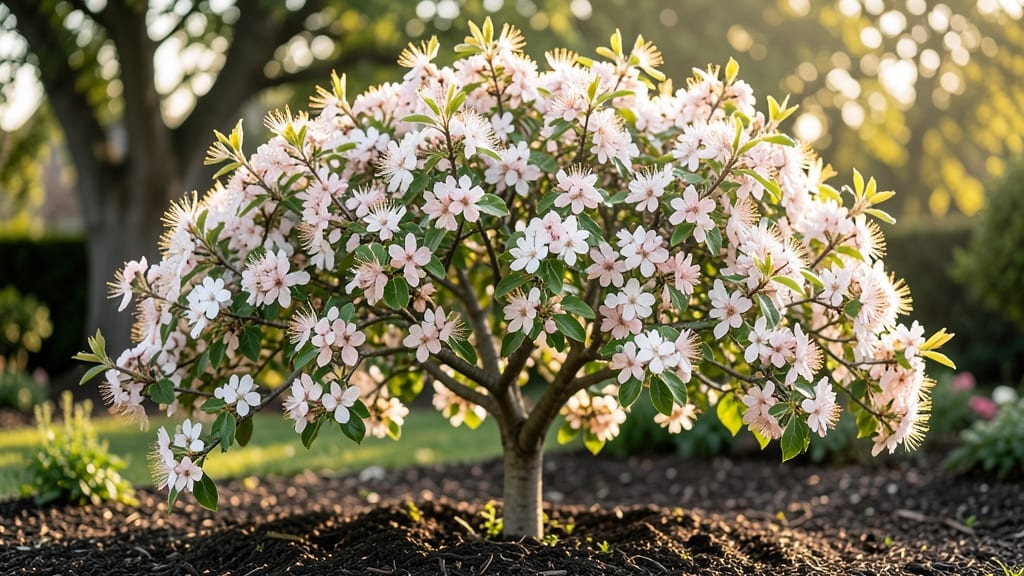
The moment your Asian pear tree bloom bursts into fragrant white blossoms feels like spring’s secret gift. 🌸 I’ve watched mine transform from bare branches to a cloud of delicate flowers, and the timing—usually late April to early May in my zone 6 garden—is always a thrilling surprise.
These blooms aren’t just beautiful; they’re a promise of sweet, crisp fruit later in the season, if you give the tree the right care now.
Perfect blooms start with sunlight and pruning. Asian pears need at least 6 hours of sun daily, but too much shade delays flowering. Prune in late winter to open the canopy—this lets light reach inner branches where buds form.
A light, well-draining soil with a pH of 6.0 to 7.0 also makes a difference; heavy clay can smother roots and reduce blooms. And don’t forget water: consistent moisture during bud formation (but not soggy soil) keeps flowers vibrant.
What you’ll love most is the fragrance—light, sweet, and intoxicating in the morning air. But here’s the secret: the more blooms you see, the more fruit you’ll get (though not every flower turns into a pear).
After the petals fall, thin the fruit to 6–8 inches apart—this ensures larger, juicier pears. The trade-off? Fewer, but better-quality harvests. It’s worth the effort.
Regional tweaks matter: in warmer zones (7–9), blooms may appear as early as March, while colder areas (4–5) might see them in June. Watch for fire blight—a bacterial disease that turns blossoms into blackened messes—by pruning out infected branches immediately.
With the right care, your tree will reward you with years of fragrant displays and delicious fruit.
📚 In This Guide
- What you need
- Instructions
- Tips and common mistakes
- Wrapping up and next steps
What you need
- ● Asian pear tree (Pyrus pyrifolia or Pyrus ussuriensis) – Choose a healthy, disease-resistant variety (e.g., 'Korean Giant' or 'Shinseiki'). 1-2 trees recommended for optimal pollination.
- ● Well-draining soil mix – Combine 50% garden soil, 30% compost, and 20% perlite/sand for ideal root health.
- ● 5-gallon nursery pot or planting hole – Depth: 18-24 inches, width: 2x the root ball.
- ● Organic mulch (e.g., straw or wood chips) – 2-3 inches to retain moisture and regulate soil temperature.
- ● Balanced fertilizer (10-10-10 or 20-20-20) – 1 cup per tree in early spring and after blooming.
- ● Pruning shears – Bypass-style, sharpened for clean cuts.
- ● Garden hose with spray nozzle – For deep watering (1-1.5 inches per week).
- ● Slow-release fertilizer spikes – For hassle-free nutrient delivery.
- ● Pest control (neem oil or insecticidal soap) – Preemptive care for aphids or mites.
- ● Tree stakes & ties – If planting in windy areas.
- ● Bloom-boosting additives – Epsom salt (1 tbsp per gallon of water) for magnesium.
- ● Decorative stakes or garden flags – To mark young trees and add charm!
How to encourage a stunning Asian pear tree bloom
Here's how I coax those fragrant white blossoms into full, healthy display every spring.
🌱 Step 1: Prune for Airflow and Light in Late Winter
Start by removing any dead, diseased, or crossing branches with clean, sharp pruners. I always cut just outside the branch collar where it meets the trunk—this prevents unsightly stubs and promotes faster healing. Focus on opening up the center of the tree to let sunlight reach all branches.
Remove about 20-25% of the previous year's growth to stimulate new flowering shoots. You'll know you've done enough when you can see light filtering through to the inner branches. This is also the time to shape the tree by shortening overly long branches by about one-third—they'll respond by putting energy into flowering rather than just leafy growth.
☀️ Step 2: Provide Proper Spring Sunlight Exposure
Asian pear trees need 6-8 hours of direct sunlight daily for optimal blooming. If your tree is in partial shade, consider pruning nearby trees or shrubs to open up the canopy. You'll see the difference immediately—the more light the tree receives, the more vigorous the blossoms will be.
Watch for signs of insufficient light like sparse blooms or weak growth. If branches are growing toward the light source, it's time to rotate the tree or move it to a sunnier location. The ideal spot gets morning sun and afternoon shade in hot climates to prevent leaf scorch while still maintaining strong flowering.
💧 Step 3: Water Deeply During Bud Development
Begin watering deeply when you see the first flower buds forming, usually in early spring. Water the tree to a depth of 12-18 inches every 7-10 days until the soil feels moist at that depth. You'll know you're watering correctly when the soil surface feels slightly damp but not soggy.
Use a moisture meter or your finger to check—insert it about 6 inches deep. If it comes out dry, it's time to water again. Avoid wetting the leaves when possible to prevent fungal diseases that can weaken the tree and reduce blooming potential.
✂️ Step 4: Apply Balanced Fertilizer at the Right Time
Apply a 10-10-10 balanced fertilizer in early spring when buds begin to swell, using about ¼ pound per inch of trunk diameter. Spread it evenly under the tree's drip line and water it in thoroughly. This gives the tree the nutrients it needs to produce abundant blooms without favoring leaf growth over flowers.
I always split the application into two feedings—half in early spring and the remaining half after the first flush of blooms has fallen. This two-step approach prevents over-fertilizing, which can lead to excessive vegetative growth at the expense of flowering.
🌿 Step 5: Protect Blooms from Late Frosts
Watch your local weather forecast closely during bloom time. Asian pear blossoms are particularly sensitive to late spring frosts, which can damage or kill flowers before they open. If frost is predicted, cover the tree with a lightweight frost cloth the night before, securing it loosely to allow airflow.
Remove the cover as soon as the temperature rises above freezing in the morning. You'll see the difference in bloom quality—the protected flowers will be fuller and more vibrant. This simple step can mean the difference between a spectacular display and a disappointing one.
Tips & tricks for encouraging Asian pear tree blooms
Real talk: those fragrant white blossoms don't just happen—they need a little extra care. Here's what I've learned after years of watching my trees transform from bare branches to floral masterpieces.
Pruning Precision: When you're removing that 20-25% of last year's growth in Step 1, focus on branches that are growing inward or crossing. These are the real culprits blocking light and air circulation. I've seen trees with perfect pruning percentages but still sparse blooms because they missed these critical internal branches. Use a small mirror to check hard-to-see spots—you'll spot more problem branches than you think.
Sunlight Strategy: The 6-8 hours of sunlight in Step 2 needs to be direct sunlight, not filtered light. Test your tree's light exposure by placing a white sheet on the ground near the tree at noon—if the sheet shows only partial shadows, your tree needs more sun. Morning sun is especially important for Asian pears, as it helps prevent fungal issues that can develop from evening moisture on leaves.
Watering Wisdom: That 12-18 inch depth in Step 3 is crucial, but timing matters just as much. I water in the early morning so the soil has all day to dry slightly before evening. Wet leaves overnight create the perfect conditions for fungal diseases that can weaken your tree's ability to bloom. Think of it like giving your tree a spa treatment—proper hydration without the soggy aftermath.
Frost Protection: For Step 5, if you don't have frost cloth, layer a lightweight blanket over the tree instead—just make sure it's secured loosely so air can circulate. I've had years where we got caught off guard, and using what I had on hand (even old bedsheets) saved my blooms. The key is covering before the temperature drops below 32°F, not waiting until frost is already happening.
Pro Tips for Asian Pear Tree Bloom
- Real talk: those fragrant white blossoms don't just happen—they need a little extra care.
- Pruning Precision: When you're removing that 20-25% of last year's growth in Step 1, focus on branches that are growing inward or crossing.
- Sunlight Strategy: The 6-8 hours of sunlight in Step 2 needs to be direct sunlight, not filtered light.
Frequently asked questions
about Asian pear tree blooms—because every gardener deserves clarity! Here are answers to the most common queries to help you make the most of your fragrant spring spectacle.When do Asian pear trees typically bloom?
Asian pear trees usually bloom in late spring, around April to early May, depending on your climate zone. Cooler regions may see blooms slightly later, while warmer areas might enjoy earlier flowers. The exact timing also depends on the specific cultivar—some varieties bloom earlier than others.
How long do the blossoms last?
The stunning white blossoms of an Asian pear tree typically last 1 to 2 weeks. While they’re short-lived, their intense fragrance and delicate beauty make them a breathtaking sight during that time. For a prolonged display, consider planting multiple trees with staggered bloom times.
What should I do if my Asian pear tree isn’t blooming?
If your tree isn’t blooming, check these common culprits: age (young trees may take 3-5 years), pruning (over-pruning can reduce flowers), nutrition (lack of phosphorus or potassium), or environmental stress (drought, extreme heat, or poor soil). Try fertilizing with a bloom-boosting formula and ensure consistent watering.
Can Asian pear trees bloom more than once a year?
Asian pear trees are spring-blooming only, meaning they produce flowers just once per year. However, with proper care—like pruning in late winter and balanced fertilization—you can encourage healthier, more abundant blooms during their single annual show. Patience and consistency pay off!
Are there dwarf varieties of Asian pear trees with smaller blooms?
Yes! If space is limited, consider dwarf Asian pear varieties like 'Seigyoku' or 'Kikusui'. While their blooms are proportionally smaller, they still produce fragrant, showy flowers and are perfect for containers or small gardens. Just ensure they get 6+ hours of sunlight daily for optimal blooming.
Wrapping up and next steps
The Asian pear tree bloom isn’t just a seasonal spectacle—it’s a promise of fresh, fragrant beauty and future harvests. Whether you’re lured by the delicate white blossoms or dreaming of juicy pears, this tree brings joy, practicality, and a touch of nature’s magic to your space. 🌸
Now that you’re armed with tips and answers, why not take the next step? Plant your own tree, share your blooming journey with fellow gardening enthusiasts, or simply enjoy the show from your window. Spring’s fleeting—don’t miss the chance to make it unforgettable!