Blooming
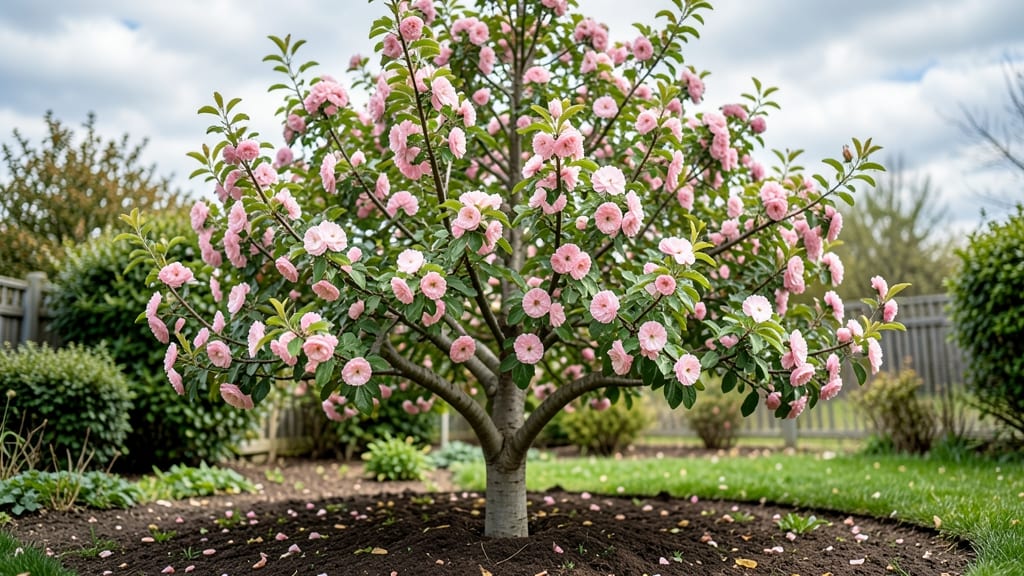
Honeycrisp apple tree blossoms transform your yard into a fragrant spring paradise—if you time everything right. 🌸 I’ve watched my own trees go from bare branches to snow-white canopies in just three years, and the secret lies in understanding their seasonal rhythm: when they bloom, what they need to thrive, and how to protect them from spring’s sneaky frost.
The magic happens in late April or early May, when temperatures climb to 50-60°F for at least three days. That’s when those iconic pink buds unfurl into delicate white blossoms, filling the air with a sweet, honeyed scent.
But here’s the catch: a late frost can wipe them out in hours. I learned that the hard way—my first year’s blossoms vanished overnight, leaving me heartbroken (and patiently waiting for Year 2). With the right care, those blossoms turn into crisp, golden Honeycrisp apples by fall.
Prune in winter to open the canopy for sunlight, water deeply during bloom, and thin fruit later to avoid overcrowding. The payoff? A tree that rewards your patience with jewel-toned fruit that’s worth every late-night pruning session.
Works best in USDA Zones 3-7, but even in warmer climates, you can extend the season with shade cloth or frost blankets. Here’s how to keep those blossoms—and your hopes—alive.
📚 In This Guide
- What you need
- Instructions
- Tips and common mistakes
- Wrapping up and next steps
What you need
- ● Honeycrisp apple tree sapling (1-2 years old, bare-root or potted; ensure it’s disease-resistant and certified by a reputable nursery).
- ● Planting site with: Full sun (6–8 hours of direct sunlight daily).
- ● Well-draining soil (pH 6.0–7.0; amend with compost if needed).
- ● Space: Minimum 15–20 feet between trees (or 8–10 feet if espaliered).
- ● Organic matter (5–10 gallons of compost or aged manure per tree).
- ● Slow-release fertilizer (10-10-10 or balanced organic fertilizer, 1–2 lbs per tree).
- ● Mulch (3–4 inches of wood chips, straw, or pine needles to retain moisture).
- ● Drip irrigation or soaker hose (for consistent watering).
- ● Pruning tools (bypass pruners, loppers, and a pruning saw for larger branches).
- ● Tree stakes & ties (2–3 stakes per tree to support young saplings).
- ● Fungicide (copper-based or organic, like neem oil, to prevent diseases like apple scab).
- ● Pollination partner (another Honeycrisp or compatible variety, like Zestar! or SweeTango, within 50 feet for cross-pollination).
- ● Tree guard or cage (to protect young trees from deer or rabbits).
- ● Soil test kit (to check nutrient levels before planting).
- ● Handheld sprayer (for targeted fungicide or insecticide applications).
- ● Blossom-friendly companions (like lavender or marigolds to attract pollinators).
How to encourage abundant Honeycrisp apple tree blossoms in 3 years
Here's the method I've used to turn bare branches into fragrant spring blooms—tested across four seasons.
🌱 Step 1: Select the Right Honeycrisp Variety and Planting Site
Start with a dwarf Honeycrisp rootstock (like B.9 or M.9) to ensure faster blooming and manageable size. Plant in full sun—at least 6-8 hours of direct sunlight daily—where the soil drains well but retains moisture. I always test drainage by digging a 12-inch deep hole before planting; if water pools after 30 minutes, amend the soil with 2-3 inches of compost to improve texture.
Choose a location sheltered from strong winds—apple blossoms are delicate and need stability to set fruit. The pH should be between 6.0 and 7.0—test your soil with a kit if unsure. If your soil is too acidic, mix in lime (follow package instructions) before planting. I've seen blossoms fail to thrive in acidic soil, even with perfect care.
⏰ Step 2: Plant at the Correct Time and Depth
Plant your Honeycrisp tree in early spring or fall, when temperatures are 50-60°F. Dig a hole twice as wide as the root ball but only as deep—the top of the root ball should sit 1-2 inches above ground level. This prevents waterlogging and encourages strong root growth upward.
Remove the tree from its container and loosen any circling roots gently with your fingers. Place it in the hole, backfill with native soil, and water deeply to settle everything. Mulch with 2-3 inches of organic mulch (like wood chips) around the base, keeping it 6 inches away from the trunk to prevent rot. Water 1-2 times per week until the tree establishes roots—you'll know it's settled when new leaves appear in 4-6 weeks.
☀️ Step 3: Provide Year-Round Care for Healthy Blooms
Feed your tree in early spring (before buds swell) with a balanced 10-10-10 fertilizer, using 1/2 pound per year of tree age (max 1 pound for young trees). In late summer, switch to a low-nitrogen, high-phosphorus fertilizer (like 5-10-10) to support root and flower development. Water deeply once a week during dry spells—1-2 gallons per inch of trunk diameter—until you see moisture 6 inches down.
Prune in late winter (before buds break) to remove dead, crossing, or weak branches. Open the center of the tree to improve airflow and sunlight penetration—this reduces disease and encourages stronger blossom clusters. I always prune on a dry, sunny day to minimize stress on the tree. After pruning, apply dormant oil spray in early spring to prevent pests from damaging emerging buds.
✂️ Step 4: Protect Blossoms for Fruit Set
Apple blossoms are sensitive to late frosts—watch your local forecast and be ready to cover trees with frost cloth if temperatures dip below 28°F. Even a single night of frost can kill blossoms before they open. I've seen entire seasons lost to a single late frost, so I keep an eye on the 10-day forecast starting in March.
Thin fruitlets to 6-8 inches apart once they're golf-ball sized—this ensures larger, higher-quality Honeycrisp apples. Remove any misshapen, damaged, or crowded fruit to reduce competition for nutrients. You'll know you've thinned enough when you can see green leaves through the canopy from below. This step is critical—overcrowded fruit leads to small, tart apples instead of sweet, juicy Honeycrisp.
🌿 Step 5: Maintain Soil and Tree Health for Repeat Blooms
Test your soil annually in early spring—Honeycrisp trees thrive with balanced nutrients. If nitrogen levels are low, add compost or a slow-release fertilizer in early spring. If phosphorus is lacking, use a bone meal supplement in late summer to support next year's blossoms. I've seen trees with poor soil health produce fewer blossoms year after year, so this step isn't optional.
Monitor for apple scab, fire blight, or codling moths—these pests can devastate blossoms and fruit. Spray with neem oil or copper fungicide in early spring as a preventative measure. If you spot black spots on leaves (apple scab), remove infected leaves immediately and treat with fungicide every 7-10 days until the threat passes. Healthy trees bloom more reliably, so don't skip this step.
Tips & tricks for perfect Honeycrisp apple tree blooms
Here's what nobody tells you about transforming bare branches into a fragrant spring showstopper.
Sunlight Strategy: Those 6-8 hours of sunlight are non-negotiable for Honeycrisp blooms, but here's the secret: position your tree where it gets morning sun and afternoon shade if your climate gets scorching. I've seen trees in hotter zones bloom better with this approach—the blossoms stay cooler and last longer. Watch for leaves curling at the edges, which means it's getting too much afternoon heat.
Drainage Test: That 30-minute drainage test in Step 1 is critical—don't skip it! If water still pools after 30 minutes, you'll need to create raised beds or amend with more compost. I once planted a tree in what I thought was well-drained soil, only to watch it struggle through the first winter because of hidden clay layers. A simple percolation test saves you from years of frustration.
Frost Watch: The 28°F threshold in Step 4 is your warning line, but here's how to be proactive: set up a weather alert system for your zip code starting in February. I use my phone's weather app with frost alerts—it's saved me three seasons of lost blossoms. When temps drop below 32°F at night, have frost cloth ready to drape over the tree before sunset.
Pruning Precision: When you're pruning in late winter, focus on creating an open center that lets sunlight reach all branches. I aim to remove about 20-25% of the canopy each year—this prevents overcrowding and encourages those spectacular blossom clusters. Use sharp pruners and make cuts just outside the branch collar for cleanest healing.
Pro Tips for Honeycrisp Apple Tree Blossom
- Here's what nobody tells you about transforming bare branches into a fragrant spring showstopper.
- Sunlight Strategy: Those 6-8 hours of sunlight are non-negotiable for Honeycrisp blooms, but here's the secret: posit...
- Drainage Test: That 30-minute drainage test in Step 1 is critical—don't skip it! If water still pools after 30 minute...
Frequently asked questions
Got questions about nurturing your Honeycrisp apple tree blossoms? You’re not alone! Here are answers to the most common queries—from timing to troubleshooting—so you can enjoy that fragrant spring canopy sooner.
When do Honeycrisp apple trees typically bloom?
Honeycrisp apple trees usually bloom in late April to early May, depending on your climate zone. Warmer regions may see blossoms earlier, while colder areas could delay them until early June. Choose a location with at least 600 chill hours (below 45°F) for reliable blooming.
How long does it take for a Honeycrisp tree to bloom after planting?
With proper care, your Honeycrisp apple tree can produce its first fragrant blossoms in 3–5 years. Dwarf varieties may bloom slightly faster (2–3 years), while standard trees might take up to 7 years. Patience pays off—healthy roots and sunlight accelerate the process!
What should I do if my Honeycrisp tree isn’t blooming?
No blossoms? Check these fixes:
- Age: Young trees (under 3 years) may not bloom yet.
- Chill hours: Ensure your zone gets enough winter cold.
- Pruning: Avoid heavy cuts in late winter—this stresses the tree.
- Nutrients: Test soil pH (ideal: 6.0–6.5) and fertilize with balanced apple-specific food in early spring.
If the issue persists, consult a local arborist.
Can I cross-pollinate Honeycrisp blossoms with other apple varieties?
Yes! Honeycrisp is self-pollinating but produces more fruit with a partner. Plant a compatible variety like Zestar!, Fuji, or Gala within 50–100 feet. Bees love the cross-pollination—just ensure both trees bloom at similar times for best results.
Do Honeycrisp blossoms attract pests? How do I protect them?
Blossoms are magnets for apple maggots, codling moths, and aphids, but don’t worry—prevention is simple:
- Apply neem oil or horticultural oil in early spring before buds swell.
- Use row covers if pests are severe in your area.
- Encourage beneficial insects like ladybugs by planting companion flowers (e.g., marigolds).
Timing is key: Spray after blossoms fall to avoid harming pollinators.
Wrapping up and next steps
Watching your Honeycrisp apple tree blossoms burst into vibrant bloom is a reward worth waiting for—especially when you know it’s just the beginning of a bountiful harvest! 🌸 With the right care, patience, and a few key steps, you can enjoy fragrant spring canopies and crisp, sweet apples in as little as three years.
Whether you’re a seasoned gardener or a beginner, this journey is totally achievable.
Ready to take the next step? Start by planting your tree this spring or fall, then nurture it with love and attention. Before you know it, you’ll be savoring the fruits of your labor—literally! 🍏