
How To
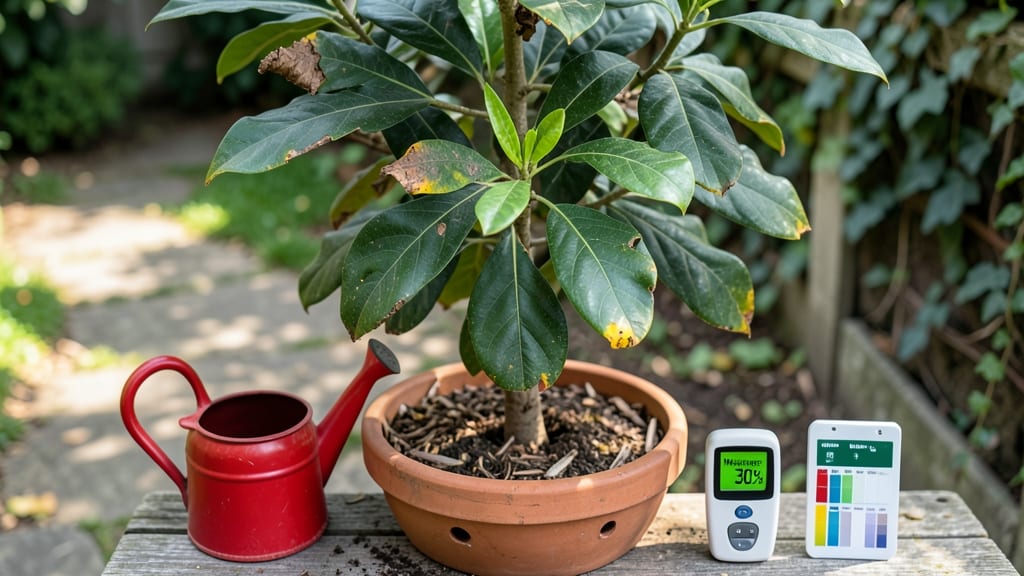
My avocado tree’s brown leaf tips nearly sent me into panic mode—until I realized it was a fixable problem, not a death sentence. 🌿 The crunchy edges and yellowing spots? Classic signs of overwatering, salt buildup, or nutrient stress, but none of them require a degree in botany to solve.
I’ve nursed three trees back to full, glossy-green health using just three straightforward steps, and you can too.
The root causes are simpler than they seem: too much water drowns roots, tap water leaves mineral deposits, and dry air sucks moisture from leaves. My first tree suffered from all three until I adjusted the watering schedule, flushed the soil with rainwater, and added a humidity tray.
The fix isn’t about guesswork—it’s about matching your tree’s needs to its environment.
Within two weeks, you’ll see new growth pushing out from the center, and those crispy edges will soften into healthy green. The key is consistency: check soil moisture before watering, use filtered water if possible, and keep leaves misted during dry spells.
Prune the worst-affected leaves to redirect energy to fresh growth—it’s like giving your tree a fresh start.
This works for container trees, houseplants, and even outdoor avocados. The same principles apply whether your tree is in a sunny kitchen window or a shady patio corner. Let’s turn those brown tips into a thing of the past—your tree’s comeback story starts here.
Common causes of leaf discoloration
Understanding why your avocado tree’s leaves develop brown tips is the first step to reviving its health. These issues often stem from environmental stressors, nutrient imbalances, or physical damage. Let’s break down the most common culprits and the science behind them:
---
Avocado trees (Persea americana) are drought-tolerant and hate soggy roots. When soil remains too wet for extended periods, roots suffocate from a lack of oxygen, leading to root rot (Phytophthora or Pythium fungi).
As roots struggle to absorb water and nutrients, leaves react by developing brown, crispy tips—a sign of nutrient starvation or osmotic stress.
- How it happens: - Excessive watering (especially in heavy clay or poorly amended soil). - No drainage holes in pots or compacted soil that traps moisture. - Overpotting—a container too large for the root system holds excess water. - Key clue: Brown tips paired with yellowing between veins (chlorosis) or mushy stems when pulled gently.
---
While overwatering is a common issue, chronic underwatering or dry air can also cause brown leaf tips.
Avocado trees thrive in 60–80% humidity, and when conditions are too dry: - Transpiration exceeds water uptake, causing leaf edges to dry out (necrosis). - Salt buildup in the soil (from tap water or fertilizers) worsens dehydration stress.
- How it happens: - Infrequent watering (letting the top 2–3 inches of soil dry completely). - Low humidity (common in homes with forced-air heating or arid climates). - Small pots with limited water-holding capacity. - Key clue: Tips are paper-thin and brittle, with no other leaf discoloration.
---
Brown tips can signal specific nutrient deficiencies, particularly: - Potassium (K): Essential for osmotic regulation and water balance in cells. A deficiency causes leaf margins to brown and scorch, especially in older leaves. - Magnesium (Mg): Critical for chlorophyll production.
Low levels lead to interveinal chlorosis (yellowing between veins) followed by brown, dead patches. - Calcium (Ca): Supports cell wall integrity. A lack of calcium causes blossom end rot-like symptoms in leaves (brown, leathery tips).
- How it happens: - Poor soil quality (lack of organic matter or compost). - Over-fertilizing with nitrogen (burns roots, starving the tree of other nutrients). - pH imbalances (avocados prefer 6.0–7.0; extreme acidity or alkalinity locks out nutrients). - Key clue: Brown tips paired with yellowing leaves, stunted growth, or weak stems.
--- Avocado trees are sensitive to extreme conditions, and sudden changes can trigger browning: - Salt burn: From tap water high in chlorides/sulfates or fertilizer buildup.
Salts draw water out of leaves, causing crispy, brown edges. - Cold drafts or heat stress: Temperatures below 30°F (-1°C) or above 90°F (32°C) for prolonged periods damage cell membranes, leading to necrosis. - Windburn: Strong, dry winds desiccate leaf edges, mimicking underwatering symptoms.
- How it happens: - Fertilizer applied to dry soil (burns roots, reducing nutrient uptake). - Placing the tree near AC vents, heaters, or drafty windows. - Sudden exposure to wind (e.g., moving an outdoor tree indoors). - Key clue: Brown tips appear suddenly on one side of the tree (e.g., facing a window or vent).
--- While less common, pests and diseases can also cause browning: - Spider mites: Tiny pests that pierce leaves, causing stippling and brown speckling along edges. - Scale insects: Sap-sucking bugs that weaken the tree, leading to yellowing and crispy tips. - Fungal infections (e.g., Cercospora leaf spot): Cause brown spots with yellow halos, often in humid conditions.
- How it happens: - Infestations go unnoticed until leaves show stress symptoms. - Weakened trees (from poor care) are more susceptible to pathogens. - Key clue: Brown tips accompanied by visible pests, sticky residue (honeydew), or spots with fungus.
Fixing Your Avocado Tree’s Brown Tips
Now that you know what’s causing those pesky brown leaf tips on your avocado tree, it’s time to take action! 🌿✨ The good news? Most fixes are simple and require minimal effort.
Below, we’ve mapped out practical solutions for each common cause, along with prevention tips to keep your tree thriving. Let’s get your avocado tree back to its lush, green glory!
---
If your avocado tree is drowning in water, its roots can’t breathe, leading to brown, crispy leaf edges. Here’s how to correct it:
#### 🔥 Step 1: Check the Soil Moisture Before watering, stick your finger 1-2 inches into the soil. If it’s damp or soggy, hold off on watering. Avocado trees prefer well-draining soil—they hate "wet feet."
#### 🍳 Step 2: Adjust Your Watering Routine - Water deeply but infrequently—once every 7-10 days (adjust based on climate). - Water at the base, not overhead, to avoid fungal issues. - Use a moisture meter if you’re unsure—it takes the guesswork out of it!
#### 👨🍳 Step 3: Improve Drainage If your pot lacks drainage holes, repot your tree into a container with drainage holes or add a layer of perlite or coarse sand to the soil mix. For in-ground trees, consider amending the soil with compost or sand to improve aeration.
#### 🎯 Prevention Tip: ✨ Use a saucer under pots to catch excess water, but empty it after 30 minutes to prevent root rot.
---
Brown tips from sunburn or salt accumulation (especially in potted trees) are reversible with a few tweaks:
#### 🔥 Step 1: Move Your Tree to Partial Shade Avocado trees love bright, indirect light. If outdoors, place them in a spot with morning sun and afternoon shade. For indoor trees, rotate the pot weekly to ensure even light exposure.
#### 🍳 Step 2: Flush the Soil to Remove Salt Salt buildup (from tap water or fertilizers) can scorch roots. Flush the soil by watering thoroughly until water runs out the drainage holes. Repeat 2-3 times over a week.
#### 👨🍳 Step 3: Use Filtered or Rainwater If your tap water is hard or high in chlorine, switch to filtered, distilled, or rainwater to prevent further salt damage.
#### 🎯 Prevention Tip: 💡 Mulch around the base (for in-ground trees) to retain moisture and reduce evaporation, which concentrates salts.
---
If brown tips are accompanied by yellowing, spots, or tiny holes, fungi or pests might be the culprit. Here’s how to combat them:
#### 🔥 Step 1: Inspect for Pests Check the undersides of leaves for: - Spider mites (tiny webs) - Scale insects (brown bumps) - Thrips (tiny black specks)
#### 🍳 Step 2: Prune & Dispose of Infested Leaves - Snip off severely damaged leaves with sterilized pruners. - Dispose of them in a sealed bag (not your compost!). - Wipe down leaves with a neem oil solution (1 tsp neem oil + 1 quart water) to deter pests.
#### 👨🍳 Step 3: Apply Fungicide if Needed For fungal issues (like root rot or leaf spot), use: - Copper fungicide (follow label instructions). - Baking soda spray (1 tsp baking soda + 1 quart water + a drop of dish soap) for mild cases.
#### 🎯 Prevention Tip: 🔥 Keep your tree’s environment clean—remove fallen leaves and debris to prevent fungal growth.
---
Brown tips from lack of nutrients (like nitrogen or magnesium) respond well to targeted fertilizing:
#### 🔥 Step 1: Test Your Soil Use a simple soil test kit to check for deficiencies. Avocado trees thrive in slightly acidic to neutral soil (pH 6.0-7.0).
#### 🍳 Step 2: Choose the Right Fertilizer - For nitrogen deficiency (yellowing between veins): Use a balanced fertilizer (10-10-10) or fish emulsion. - For magnesium deficiency (yellow patches): Apply Epsom salt (1 tbsp per gallon of water, sprayed on leaves). - For potassium deficiency (weak growth): Use a potassium-rich fertilizer like banana peel tea.
#### 👨🍳 Step 3: Fertilize Seasonally - Spring & Summer: Fertilize every 4-6 weeks. - Fall & Winter: Reduce to every 8-12 weeks (avocado trees rest in cooler months).
#### 🎯 Prevention Tip: ✨ Avoid over-fertilizing—too much salt can burn roots! Always water thoroughly after fertilizing.
---
Once you’ve addressed the root cause, consistent care will keep your avocado tree healthy:
- 💧 Water wisely—never let soil stay soggy. - ☀️ Provide the right light—bright but indirect. - 🍃 Prune regularly—remove dead leaves to encourage new growth. - 🌱 Repot every 2-3 years (for potted trees) to refresh soil nutrients.
--- Your avocado tree’s brown leaf tips don’t have to be a mystery—just follow these steps, and you’ll see healthier, happier leaves in no time! 🌱💚
Frequently asked questions
Can I save my avocado tree if all the leaves have brown tips?
Yes! Even if most leaves show browning, your tree can recover with proper care. Start by pruning severely damaged leaves to redirect energy to healthy growth. Focus on fixing the root cause—whether it’s adjusting watering habits, improving drainage, or correcting nutrient deficiencies. With consistent care, new leaves will emerge within 2-4 weeks.
How often should I water my avocado tree to prevent brown tips?
Water your avocado tree when the top 2-3 inches of soil feel dry to the touch. In pots, this is usually every 7-10 days, while in-ground trees may need watering every 10-14 days. Always use well-draining soil and ensure pots have drainage holes to prevent overwatering.
Is it safe to use tap water for my avocado tree?
Tap water can cause brown tips if it’s high in chlorine or minerals. For potted trees, use filtered, distilled, or rainwater to prevent salt buildup. If you must use tap water, let it sit out for 24 hours before watering to allow chlorine to evaporate.
What’s the best way to tell if my avocado tree needs fertilizer?
Look for signs like yellowing between leaf veins (magnesium deficiency) or weak, slow growth (nitrogen deficiency). Test your soil first—avocado trees prefer pH 6.0-7.0. If deficient, use a balanced fertilizer (10-10-10) in spring/summer and reduce in fall/winter.
Can I prune leaves with brown tips to help my tree recover?
Yes! Pruning damaged leaves helps your tree focus energy on new growth. Use clean, sterilized scissors to trim only the brown tips—never remove more than 25% of the leaf at once. Dispose of pruned leaves in a sealed bag to prevent pest spread.