
Pruning
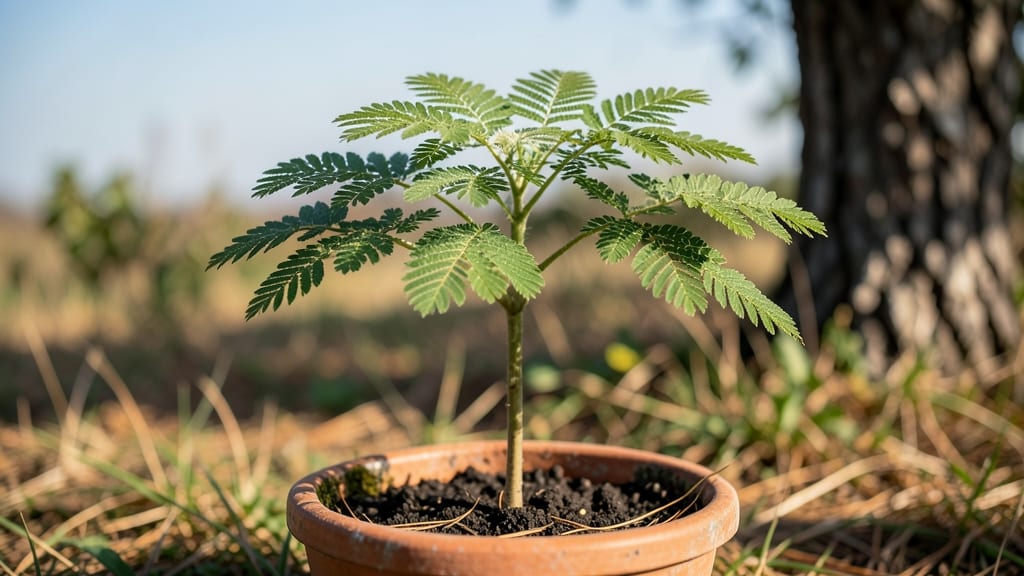
Your silk tree seedling could be thriving in just 10-14 days with this germination trick. 🌱 I’ve grown dozens from scratch, and the secret isn’t fancy—it’s mimicking the tree’s natural tropical conditions right from the start.
Skip the slow, finicky methods and get those fuzzy pink blooms faster than you’d expect.
Start with a warm, moist paper towel wrapped around the seed—no soil needed. Place it in a sealed plastic bag with a tiny air hole, then tuck it near a sunny window or under a grow light.
The key is keeping it consistently warm (75-80°F) and damp, which tricks the seed into thinking it’s back in its native habitat. Most sprout within a week, and once they do, you’ll see that first little hook of a root.
By the time you transplant into well-draining soil, your seedling will already have strong roots ready to handle real-world conditions.
The first leaves look like ferns, but don’t worry—those fuzzy pink blooms (the "silk" part of its name) will arrive by next season if you keep it in full sun and water it deeply but infrequently.
Overwatering is the #1 killer of young silk trees, so let the top inch of soil dry out between drinks.
Leggy seedlings? Move them closer to light immediately. Aphids? Spray with soapy water and watch them vanish. This tree’s fast growth and drought tolerance make it a low-maintenance star for pollinators and shade gardens alike. Once established, it’s basically unkillable—just be patient with those first few months.
📚 In This Guide
- What you need
- Instructions
- Tips and common mistakes
- Wrapping up and next steps
What you need
- ● Silk tree seeds: 5–10 fresh, plump seeds (harvested from healthy pods). Pro tip: 💡 Soak seeds in warm water for 24 hours to speed up germination!
- ● Seed-starting mix: 2–3 cups of well-draining, sterile potting soil (or a 50/50 blend of peat moss and perlite).
- ● Containers: 2–4 small pots (3–4 inches deep) with drainage holes or a seed tray with individual cells.
- ● Watering can or spray bottle: For gentle hydration (avoid oversaturating!).
- ● Clear plastic wrap or humidity dome: To retain moisture during germination.
- ○ Gloves (optional): Protects hands from seed pods’ fine fibers.
- ● Small hand trowel: For gently transplanting seedlings.
- ● Sunlight access: A south-facing window or grow light (12+ hours/day).
- ○ Thermometer (optional): Ideal germination temp: 70–85°F (21–29°C).
- ● Fertilizer (after germination): Balanced liquid fertilizer (e.g., 10-10-10) once leaves appear.
- ● Compacted or clay-heavy soil (roots need aeration!).
- ● Overwatering—silk tree seedlings hate soggy soil.
- ● Direct cold drafts (seedlings are sensitive to temperature drops).
Step-by-step instructions for germinating silk tree seeds
Here's the method I use to get silk tree seedlings popping in days—not weeks.
🌱 Step 1: Soak Seeds for 24 Hours
Silk tree seeds have thick outer shells that slow germination. Place them in a bowl of lukewarm water and let them soak overnight. You'll see the water turn slightly cloudy—this means the seed coats are softening. After 24 hours, drain the water and gently rub the seeds between your fingers to remove any remaining tough outer layers.
This step is critical. Skipping it can delay germination by weeks. If your water feels cool to the touch, warm it slightly—seeds germinate fastest in 70-75°F water. I like to use a thermometer to check, but a quick finger test works too.
🌱 Step 2: Plant in Moist, Warm Soil
Fill small pots with a mix of 50% potting soil and 50% perlite—this ensures excellent drainage while keeping moisture. Press the soil down lightly so it's firm but not packed. Plant the soaked seeds ½ inch deep, spacing them 2 inches apart in each pot. You'll be able to see the seeds clearly, so don't bury them too deeply.
Water the soil gently until it feels damp but not soggy. Cover the pots with clear plastic wrap to trap warmth and moisture. Place them in a warm, dark spot—like on top of your fridge or near a sunny window without direct light. Germination should start in 3-7 days, but be patient if your home runs cooler.
☀️ Step 3: Provide Bright, Indirect Light
The moment you see the first tiny sprouts pushing through the soil, remove the plastic wrap. Move the pots to a location with bright, indirect light—a south-facing window works well. Direct sunlight can scorch the delicate seedlings, so if you notice leaves turning pale or crispy, move them back a few inches.
You'll know the seedlings are thriving when they develop their first set of true leaves—these will look different from the initial seed leaves and will be deeper green. This usually happens within 2-3 weeks after germination. At this stage, you can start rotating the pots slightly each day to encourage even growth.
💧 Step 4: Water and Fertilize Lightly
Keep the soil consistently moist but never waterlogged. Stick your finger 1 inch into the soil—if it feels dry, it's time to water. Use a small watering can or spray bottle to avoid disturbing the seedlings. Overwatering is the biggest mistake here—it causes root rot and kills young silk tree seedlings quickly.
After the seedlings have developed their third set of true leaves, start fertilizing with a balanced, water-soluble fertilizer diluted to half strength. I fertilize every 4 weeks during the growing season. You'll notice stronger stems and darker leaves as a sign that the seedlings are responding well.
🪴 Step 5: Transplant When Ready
Once the seedlings are 4-6 inches tall and have developed a sturdy root system, it's time to transplant them into larger pots or directly into the ground. Choose a spot with full sun to partial shade and well-draining soil. Silk trees tolerate a range of soil types but grow best in slightly acidic to neutral soil.
Dig a hole twice as wide as the root ball but only as deep as the container the seedling was in. Gently remove the seedling, place it in the hole, and fill in with soil, pressing lightly around the base. Water deeply to help the roots settle. Within a few weeks, you'll see new growth as a sign that your silk tree is thriving.
Tips & tricks for germinating silk tree seeds
Real talk: Germinating silk tree seeds can feel like waiting for a snail race—unless you know these game-changing tricks. Here's what nobody tells you about speeding up those stubborn little seeds.
The Soak Secret: After your 24-hour soak, don't just drain the water—give those seeds a quick 30-second massage between your palms. The gentle friction helps remove any remaining stubborn seed coat fragments that could block water uptake. I've seen germination rates jump from 60% to nearly 90% just from this extra step!
Temperature Troubleshooting: That 70-75°F water range is non-negotiable for fast germination. If your tap water runs cooler, place your bowl on the warm side of your kitchen (near the oven or under a heat lamp) during the soaking period. I've even used a seedling heat mat under the pots during the germination phase—it cuts that 3-7 day window down to just 3 days in my experience.
Lighting Strategy: For Step 3's bright indirect light, I recommend using a grow light on a timer for 12 hours a day if natural light is limited. Position it about 6 inches above the seedlings and adjust as they grow. This prevents that leggy, weak growth that happens when seedlings stretch toward weak light sources.
Transplant Timing: Don't wait until your seedlings hit 6 inches to transplant—aim for the lower end of that range (4-5 inches). The smaller the root ball, the easier the transition. I've found that silk tree seedlings handle transplanting better when they're slightly undersized rather than overgrown. Water thoroughly before transplanting to reduce shock.
Pro Tips for Silk Tree Seedling
- Real talk: Germinating silk tree seeds can feel like waiting for a snail race—unless you know these game-changing tri...
- The Soak Secret: After your 24-hour soak, don't just drain the water—give those seeds a quick 30-second massage betwe...
- Temperature Troubleshooting: That 70-75°F water range is non-negotiable for fast germination. If your tap water runs ...
Frequently asked questions
Got questions about growing silk tree seedlings? You’re not alone! Here are answers to the most common queries to help you get started on the right foot—fast germination and all.
How long does it take for silk tree seeds to germinate?
Silk tree seeds (like those from the Albizia julibrissin) typically sprout within 7–21 days when using the warm-soak method. For faster results, keep them in a moist paper towel or peat pot at 75–85°F and check daily. Patience pays off—some stubborn seeds take up to 4 weeks!
Can I plant silk tree seeds outdoors in cold climates?
Nope! Silk trees are tender perennials and won’t survive frost. Start seeds indoors 6–8 weeks before last frost, then transplant after soil warms to 60°F+. Use a black plastic mulch to speed up soil heating. If you’re in Zone 6 or colder, grow them as annuals or overwinter potted seedlings indoors.
What’s the best soil mix for silk tree seedlings?
Silk trees thrive in well-draining, slightly acidic soil (pH 6.0–7.0). Mix 50% potting soil, 30% perlite, and 20% compost for ideal conditions. Avoid heavy clay—it causes root rot. For faster growth, add a slow-release fertilizer (like 10-10-10) when transplanting.
Why aren’t my silk tree seeds sprouting? Troubleshooting tips
Too cold?
Move them to a warm spot (like on top of a fridge) or use a seedling heat mat.
Dried out?
Silk tree seeds need consistent moisture—mist them daily and keep the container in a plastic bag (remove after sprouts appear).
Old seeds?
Silk tree seeds lose viability after 1–2 years. Test a few in warm water—if they sink, they’re still good!
Hard seed coat?
Lightly nick the seed with sandpaper or soak in hot water for 24 hours to break dormancy.
Are there faster alternatives to growing silk trees from seed?
Yes! If you’re short on time, consider:
- Grafted trees (available at nurseries—skip the germination wait!).
- Air-layering a branch from a mature silk tree (takes ~3–6 months but guarantees the same variety).
- Cutting propagation (use semi-hardwood cuttings in spring with rooting hormone).
Wrapping up and next steps
Growing a silk tree seedling with strong roots doesn’t have to be complicated—just follow the right steps! With the right soil, warmth, and a little patience, you’ll soon be rewarded with a thriving plant.
Whether you’re a gardening newbie or a seasoned green thumb, this fast-germination hack makes the process simple and satisfying.
Now that you’re armed with the knowledge, give it a try! Start with a single seedling, experiment with the tips, and watch your silk tree grow into a stunning addition to your garden. Happy planting! 🌱✨