
Pruning
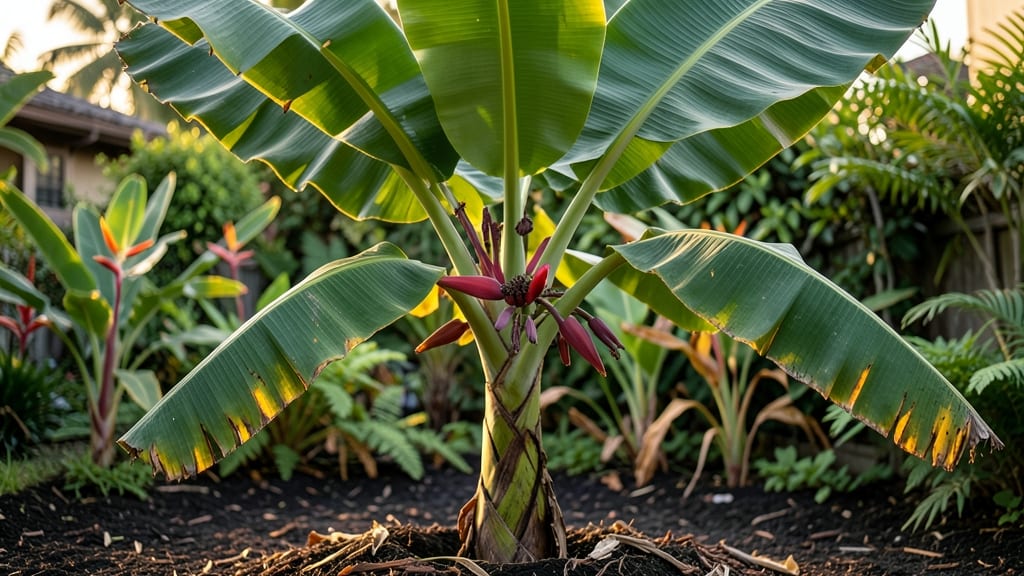
Your yard could look like a tropical paradise with a banana tree thriving right outside your door. 🌿 These striking plants aren't just for Hawaii—they bring bold foliage and year-round privacy to the right climates, turning ordinary spaces into lush, exotic retreats.
I've watched mine grow from a small sapling to a 12-foot privacy screen in just three seasons, and the impact on curb appeal is undeniable. The key is choosing the right variety for your zone—Musa basjoo handles colder snaps down to 10°F, while other types need true tropical warmth.
Plant near patios or walkways where you'll enjoy the dramatic leaves, and pair with bamboo or hibiscus for a cohesive tropical theme. Even in containers, they make stunning statement pieces on porches or decks.
What you'll love most is how they grow—fast and full, creating instant privacy while adding height and texture to your landscape. The large, glossy leaves catch sunlight beautifully, and the occasional banana flower adds unexpected drama. With proper care, your banana tree becomes the centerpiece of your outdoor space.
For colder climates, container growing lets you bring it inside during winter, while warmer zones can plant directly in the ground. The secret to success? Well-draining soil and protection from strong winds. Your tropical privacy screen is just a few seasons away!
📚 In This Guide
- What you need
- Instructions
- Tips and common mistakes
- Wrapping up and next steps
What you need
- ● Banana tree plants: 3–5 healthy Musa spp. (e.g., Musa acuminata or Musa balbisiana) – choose dwarf varieties for smaller yards.
- ● Well-draining soil: 5–10 bags of tropical potting mix or garden soil amended with 20% compost (e.g., coconut coir + perlite blend).
- ● Fertilizer: 1 lb of balanced fertilizer (10-10-10) or organic options like fish emulsion.
- ○ 1 lb of potassium-rich fertilizer (0-0-50) for flowering/fruiting (optional but encouraged!).
- ● Mulch: 5–10 cubic feet of organic mulch (e.g., wood chips or straw) to retain moisture.
- ● Pruning tools: 1 pair of bypass pruners (for small branches).
- ● 1 pruning saw (for thicker stems).
- ● 1 sterilizing solution (e.g., 1-part bleach to 9-parts water).
- ○ Support structures (optional but helpful): 3–5 bamboo stakes or trellis panels (8–10 ft tall) for young trees.
- ● 1 roll of landscape fabric (to suppress weeds under trees).
- ● Drip irrigation system or soaker hoses (for consistent watering).
- ● Slow-release osmocote fertilizer tablets (for hassle-free feeding).
- ● Bird netting (to protect flowers/fruit from pests).
- ● Decorative tropical-themed stakes or paint (for a cohesive privacy screen look!).
How to plant a banana tree for a year-round privacy screen
Here's how to turn your yard into a lush, tropical hideaway with banana trees that grow fast and provide privacy all year.
🌱 Step 1: Choose the Perfect Planting Spot
Banana trees thrive in full sun—at least 6-8 hours daily. Pick a sheltered area where they won’t get blasted by wind, like near a fence or building. The soil should drain well but retain moisture, so avoid low spots where water pools after rain.
I dig a hole twice as wide as the root ball but only as deep as the container’s base. This prevents burying the trunk too deep, which can rot the stem. If your soil is heavy clay, mix in 2-3 inches of compost to improve drainage and fertility.
🪴 Step 2: Plant the Tree Properly for Fast Growth
Remove the banana tree from its container and loosen the roots gently if they’re circling. Place it in the hole so the top of the root ball sits 1-2 inches above ground level. This keeps the trunk dry and prevents rot.
Backfill with native soil mixed with compost, tamping lightly as you go to remove air pockets. Water deeply right after planting to settle the soil and eliminate gaps. Mulch around the base with 2-3 inches of organic mulch, keeping it 6 inches away from the trunk to avoid moisture buildup.
☀️ Step 3: Water and Fertilize for Tropical Growth
Banana trees love moisture but hate soggy roots. Water deeply 2-3 times per week in hot weather, letting the soil dry slightly between waterings. You’ll know it’s time when the top 2 inches of soil feel dry to the touch. In winter, cut back to once a week unless you’re in a frost-free zone.
Feed with a balanced fertilizer (10-10-10) every 4-6 weeks during the growing season. I avoid high-nitrogen fertilizers—they promote leafy growth at the expense of fruit and structural strength. A handful of banana peels buried near the roots also adds potassium, which banana trees crave.
✂️ Step 4: Prune and Support for a Dense Screen
Remove any dead or yellowing leaves as soon as you spot them to keep the tree healthy. When the plant reaches 6-8 feet tall, install a 3-inch diameter stake on the windward side and tie the trunk loosely with soft fabric. This prevents leaning in storms without restricting growth.
Once the tree is established, you can prune back any leggy growth to encourage bushier foliage. Cut just above a leaf node to promote new shoots. I prune mine in late winter to shape the screen and remove any damaged fronds before new growth starts.
🌿 Step 5: Protect and Maintain Through Seasons
In colder climates, mulch heavily around the base in winter to insulate the roots. If temperatures dip below 30°F, wrap the trunk in burlap or move potted banana trees indoors. Even a light frost can damage the leaves, but the plant often recovers with proper care.
Watch for pests like aphids or spider mites, which love the tender new growth. A strong spray of water usually knocks them off, but for stubborn infestations, I use neem oil. With consistent care, your banana tree will grow 6-10 feet tall in just a few years, creating a stunning, evergreen privacy screen.
Tips & tricks for perfect banana tree privacy screens
Transforming your yard into a tropical paradise starts with these pro tips that'll help your banana tree thrive from day one.
Location is Everything: That 6-8 hours of daily sun is non-negotiable—banana trees are sun worshippers! I always check my yard's sunlight patterns for at least two weeks before planting. Morning sun is ideal, but avoid spots where afternoon shade might creep in. If you're unsure, use a sun calculator app to map your yard's light exposure throughout the day.
Root Care Secret: When loosening those circling roots in Step 2, be gentle but thorough. I use my fingers to carefully separate any tangled roots—this prevents future girdling that can strangle your tree. For container-grown trees, soaking the root ball for 10 minutes before planting helps reduce transplant shock.
Watering Wisdom: The 2-3 inches of dry soil test is your best friend! I check moisture by sticking my finger into the soil—if it feels like a dry sponge, it's time to water. For newly planted trees, I water deeply every other day for the first two weeks to encourage root establishment. A drip irrigation system set to run for 20 minutes twice daily works wonders during hot spells.
Fertilizer Finesse: That 10-10-10 balanced fertilizer ratio is perfect, but timing matters. I apply mine right after a deep watering session to prevent burn. For an extra boost, I mix in a handful of crushed eggshells with the fertilizer—the calcium helps prevent leaf spot diseases that can plague banana trees.
Pro Tips for Banana Tree In Yard
- Transforming your yard into a tropical paradise starts with these pro tips that'll help your banana tree thrive from ...
- Location is Everything: That 6-8 hours of daily sun is non-negotiable—banana trees are sun worshippers! I always chec...
- Root Care Secret: When loosening those circling roots in Step 2, be gentle but thorough. I use my fingers to carefull...
Frequently asked questions
Got questions about growing a banana tree in your yard? Here are some of the most common concerns—and their answers—to help you get started with confidence!
How long does it take for a banana tree to grow tall enough for privacy?
A banana tree grows surprisingly fast! With ideal conditions (warm climate, well-draining soil, and regular watering), you can expect it to reach 10–15 feet tall in just 1–2 years. Dwarf varieties may take slightly longer but still offer quick privacy. Patience pays off—soon, you’ll have a lush, tropical screen!
Can banana trees survive winter in colder climates?
Most banana trees (Musa spp.) are tropical and won’t survive freezing temps. If you live in USDA Zones 8–11, plant in a sheltered spot or use mulch to protect roots. In colder zones, try hardier varieties like Musa acuminata ‘Dwarf Cavendish’ or grow it in containers to move indoors during winter. A greenhouse or sunroom can also work!
Do banana trees produce fruit in a home yard?
Yes! If your tree is healthy and mature (usually 3–5 years old), it can produce edible bananas—though yard-grown fruit may be smaller or less sweet than commercial varieties. For better yields, plant two different banana cultivars for cross-pollination. Just note: Some varieties (like Musa textilis) are ornamental and don’t bear fruit.
What pests or diseases should I watch for in my banana tree?
Banana trees are generally low-maintenance, but keep an eye out for:
- Banana aphids: Tiny pests that cluster on leaves (spray with neem oil).
- Sigatoka leaf spot: Fungal disease causing brown spots (remove infected leaves and use copper fungicide).
- Root rot: Overwatering or poor drainage? Ensure well-draining soil and avoid soggy roots.
How and when should I prune my banana tree for privacy?
Pruning keeps your banana tree healthy and dense. Trim dead or yellow leaves anytime, but for shaping:
- Spring: Remove old flower stalks (if any) to redirect energy to foliage.
- Fall: Lightly prune to encourage bushier growth before winter.
Wrapping up and next steps
Adding a banana tree to your yard isn’t just about aesthetics—it’s a smart, low-maintenance way to create a lush, private tropical oasis that thrives year-round. 🌿 With the right care, pruning, and placement, you’ll enjoy shade, beauty, and even fresh fruit while boosting your property’s curb appeal.
Whether you’re a beginner or a seasoned gardener, this resilient plant is a game-changer for any outdoor space.
Ready to transform your yard? Start small—plant one tree, experiment with varieties, and watch your vision grow! For extra inspiration, explore local nurseries or connect with gardening communities to share your progress. Happy planting! 🌱✨