
Propagation
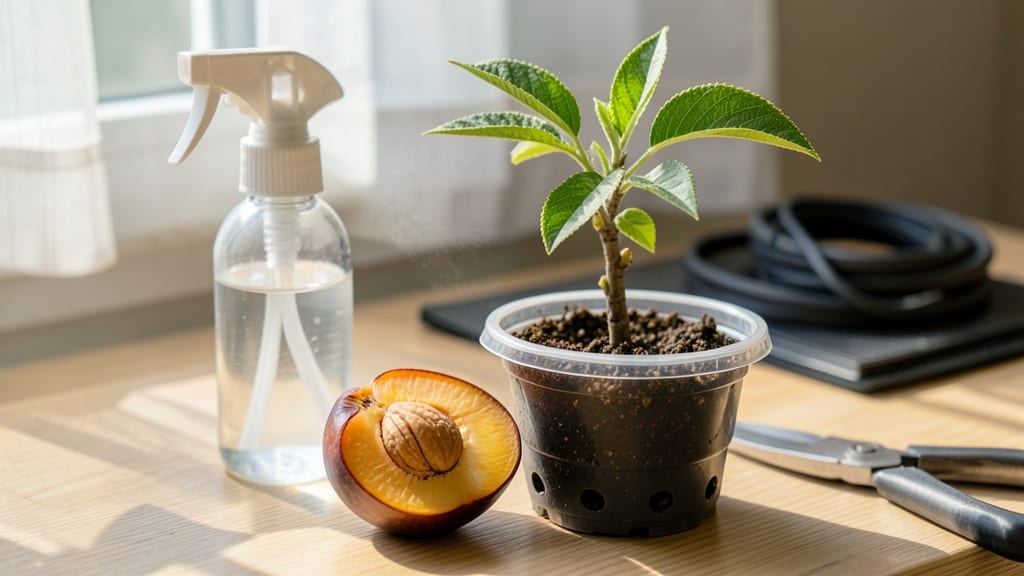
You can start a peach tree from a pit, but it requires a 6-8 week cold stratification process followed by planting in well-draining soil. The resulting tree may not produce fruit identical to the parent, and success rates depend on proper care and patience.
This method mimics nature's way of breaking seed dormancy through winter's cold. 🌱 The pit must stay moist and chilled—like a mini winter—to trigger germination.
I've found that using a mix of damp sand and peat moss in a sealed container works best, as it maintains consistent moisture without rotting the seed.
Once sprouted, the young seedling needs bright light and careful watering to avoid damping-off disease, which is a common killer of tender new growth.
What's fascinating is how unpredictable the process can be. Even with perfect conditions, some pits may never sprout, while others produce hardy seedlings that take years to bear fruit.
The trees grown from pits often have weaker disease resistance than grafted varieties, so they require extra vigilance against pests and fungal issues.
💡 In This Article
- Cold Stratification Process for Peach Pit Germination
- Planting and Caring for Peach Tree Seedlings from Pits
Cold stratification process for peach pit germination
The cold stratification process mimics winter's natural conditions to break the peach pit's dormancy. Peach seeds enter a state called endodormancy, where internal chemical signals prevent germination until exposed to prolonged cold.
This typically requires 6-8 weeks at temperatures between 34-41°F (1-5°C), which triggers hormonal changes inside the seed. The cold period allows the embryo to develop and prepares it for active growth when warmer conditions arrive.
To replicate this, place the cleaned pit in a mix of damp sphagnum moss or sand inside a sealed plastic bag or container. The moisture level should feel like a wrung-out sponge—neither soggy nor dry.
I've found that wrapping the container in a damp paper towel and storing it in the refrigerator's crisper drawer (where humidity is higher) works exceptionally well. 🌱 The key is maintaining consistent moisture without letting the pit rot, as too much water can introduce harmful fungi.
A small pinhole in the bag allows for minimal air circulation.
What's often overlooked is the importance of oxygen during stratification. While the pit needs moisture, it also requires airflow to prevent anaerobic conditions that would stall germination. Some gardeners use a 50/50 mix of sand and peat moss in a perforated container, which provides both moisture retention and aeration.
The stratification period can be extended up to 12 weeks if the pit remains dormant, but most peach pits show signs of sprouting within 8-10 weeks when conditions are ideal.
Once the pit begins to sprout, you'll notice a small root emerging first, followed by the shoot. This is a critical stage where the seedling is most vulnerable to rot or drying out. The root system develops rapidly during this phase, which is why maintaining stable moisture is essential.
I've seen seedlings emerge with roots up to 1 inch (2.5 cm) long within just 2-3 weeks after sprouting begins, so be prepared to transplant carefully to avoid damaging these delicate structures.
The science behind this process involves abscisic acid and gibberellins—two plant hormones that regulate dormancy and growth. Cold stratification reduces abscisic acid levels while increasing gibberellins, which signal the seed to break dormancy. This hormonal shift is what allows the embryo to resume growth when conditions are favorable.
Understanding this mechanism helps explain why some pits may take longer to sprout or why certain conditions (like inconsistent temperatures) can fail to trigger germination.
After stratification, the pit should be ready for planting, but it's important to note that not all pits will germinate. Success rates can vary widely based on the pit's age, storage conditions, and genetic factors.
Even with perfect stratification, some pits may remain dormant or produce weak seedlings. This is why many gardeners collect multiple pits from different peaches to increase their chances of success.