
Pruning
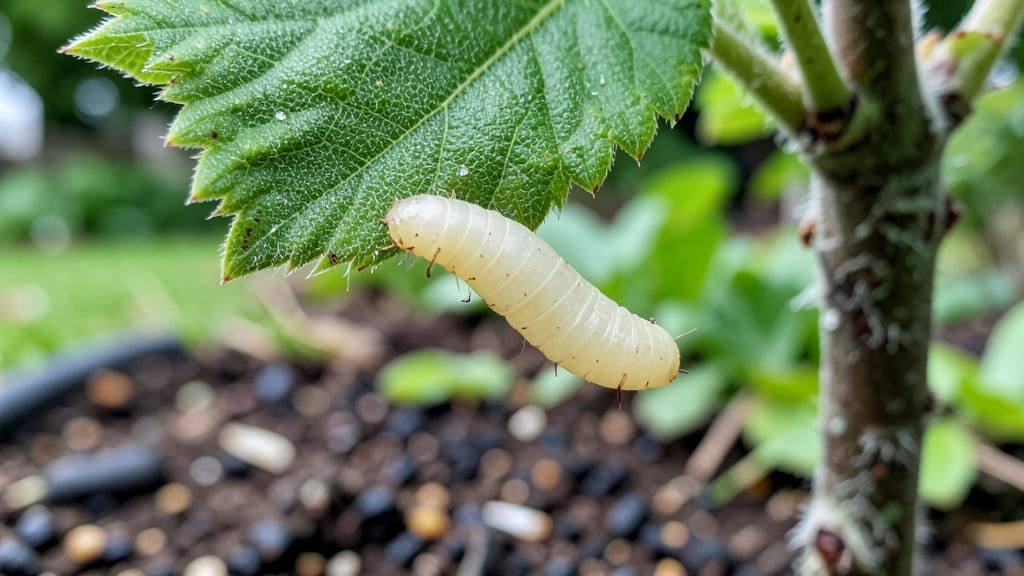
Your cherry trees might look healthy until you see those telltale signs—tiny white larvae tunneling through fruit or leaves curling like they’re hiding from the sun. 🌿 Cherry tree maggots strike fast, but catching them early means the difference between a bountiful harvest and a ruined one.
Most gardeners don’t realize the damage starts in the soil, where larvae overwinter before attacking in spring.
The real kicker? These pests aren’t picky—they’ll target sweet cherries, tart cherries, and even plums. I’ve seen entire branches stripped bare in just a few weeks, and the worst part is how easily they spread to neighboring trees.
The good news? You can outsmart them with simple, organic fixes that work before the maggots even hatch.
By the time you’re done reading, you’ll know exactly how to spot the first signs (those tiny holes in fruit or sawfly larvae on leaves), time your treatments for maximum impact, and prevent next year’s infestation without harsh chemicals. Your trees—and your patience—will thank you.
We’ll start with the most effective organic sprays, move to pruning tricks that disrupt their life cycle, and wrap up with chemical options as a last resort. No more helplessly watching your harvest disappear—this is how you take back control.
The Hidden Triggers Behind Fruit Fly Attacks
Understanding why cherry trees become a buffet for maggots starts with peeling back the layers of their lifecycle—and the conditions that invite them in. These tiny, destructive pests don’t just appear out of nowhere; they’re drawn by a mix of environmental cues, tree health, and even human habits.
Let’s break down the key reasons your cherries are turning into maggot magnets.
---
A stressed or weakened cherry tree is like a neon sign for fruit flies (Rhagoletis indifferens and R. cingulata). When trees struggle—whether from drought, poor soil, or disease—they produce lower-quality fruit that’s sweeter, softer, and more appealing to laying females. Here’s how it plays out:
- Nutrient Deficiencies: Trees lacking nitrogen, potassium, or micronutrients (like boron or zinc) produce thinner-skinned fruit that’s easier for maggots to penetrate.
A quick soil test can reveal imbalances before they become a pest party. - Water Stress: Both overwatering (which rots fruit) and drought stress (which concentrates sugars) make cherries more vulnerable.
Aim for 1–1.5 inches of water per week, adjusting for clay or sandy soil. - Disease Damage: Fungal infections (like Monilinia or Coryneum blight) create entry wounds on fruit, giving maggots a shortcut. Prune out infected branches before harvest to limit damage.
Pro Tip: 💡 Boost tree resilience with a balanced fertilizer (like 10-10-10) in early spring and mulch to retain moisture without suffocating roots.
---
Timing is everything for cherry maggots. Females prefer ripe or nearly ripe fruit to lay eggs—because that’s when larvae have the best chance to mature before the fruit drops. Here’s the breakdown:
- Early vs. Late Varieties: Early-ripening cherries (like ‘Bing’) are often more susceptible because they’re ready for harvest when maggots are most active (late June–July).
Late varieties (like ‘Stella’) may escape the first wave but can still fall prey. - Overripe Fruit Left on Tree: Maggots love fermenting fruit.
If you miss a harvest or have windfall cherries, they become a breeding ground. Pick regularly and remove dropped fruit daily during peak season. - Thin Fruit Properly: Overcrowded branches lead to smaller, weaker fruit that ripens unevenly.
Thin clusters to 4–6 inches apart in early summer to improve air circulation and fruit quality.
Pro Tip: ✨ Harvest in stages—pick cherries when they’re firm but just starting to soften (they’ll ripen off the tree). Avoid leaving any fruit on branches past peak ripeness.
---
Maggot infestations don’t happen in isolation—they’re often spread by nature’s helpers (or hitchhikers). Here’s how:
- Birds & Wildlife: Birds peck at infested fruit, dropping maggots or eggs onto healthy trees. Raccoons and deer can also spread infestations by feeding on fallen cherries. - Wind & Rain: Light rains can wash eggs and larvae from nearby trees or even from your own branches.
Strong winds disperse adult flies to new areas. - Nearby Infested Trees: If your neighbor’s (or a wild tree’s) cherries are maggot-ridden, adult flies will migrate to your tree. This is why regional outbreaks happen—flies can travel up to 2 miles in search of food.
Pro Tip: 🎯 Monitor nearby trees in late spring. If you see small, white eggs (laid singly under the skin of cherries), act fast—remove infested fruit immediately.
--- Temperature is a major accelerant for maggot development. Here’s how heat plays a role:
- Faster Egg Hatching: Eggs hatch in 3–5 days when temps are 75–85°F—meaning a single generation can complete its lifecycle in just 3–4 weeks. - Longer Fly Activity: Warm springs mean earlier adult emergence, giving flies more time to lay eggs before harvest.
In cooler climates, the second generation may be less severe. - Overwintering Success: Maggots that pupate in the soil survive better in mild winters, leading to bigger populations the following year.
Pro Tip: 🌡️ Use degree-day models (track cumulative heat units) to predict peak fly activity in your area. Many extension services provide local maggot activity forecasts.
--- Sometimes, well-meaning gardeners unwittingly invite maggots with common practices:
- Poor Sanitation: Leaving mullched leaves, dropped fruit, or pruned branches under the tree creates hiding spots for pupating maggots. Clean up thoroughly after harvest. - Late Pruning: Pruning after maggots emerge (late spring/summer) can spread eggs on fresh cuts.
Always prune in dormant season (winter). - Over-Fertilizing with Nitrogen: While nitrogen helps growth, excessive use leads to soft, sugary fruit—a maggot’s dream. Stick to recommended rates for your soil type.
Pro Tip: 🔥 Solarize the soil under your tree in late summer: Lay clear plastic over the area for 4–6 weeks to kill pupating maggots before they emerge.
--- Cherry maggots don’t choose trees randomly—they target weak, ripe, or neglected fruit in the right conditions. By addressing tree health, harvest timing, sanitation, and environmental factors, you can dramatically reduce their impact.
The good news? Prevention is simpler than you think—and often just requires a few strategic adjustments.
Quick Fixes for Wormy Cherry Trees
If your cherry tree is under siege by maggots, don’t panic—there are practical ways to reclaim your harvest and protect your tree. The key is acting fast and targeting the root causes.
Below, we’ve mapped out cause-specific solutions, from organic remedies to proactive prevention, so you can tackle the problem step by step.
---
Problem: Maggots thrive in dense, shaded canopies where moisture lingers. If your tree is overgrown or surrounded by debris, it’s an open invitation for infestations.
How to Fix It: 🔥 Prune Strategically - Remove 1/3 of the oldest, thickest branches to improve airflow. Focus on: - Crossing branches (rubbing against each other). - Dead or diseased wood (maggots love weak spots). - Suckers or water sprouts (they trap humidity). - Use sterilized pruners (dip in rubbing alcohol) to avoid spreading disease. - Best time to prune: Late winter or early spring, before buds swell.
🍳 Thin the Canopy - If your tree is too dense, selectively thin branches to let sunlight hit the center.
Aim for a vase-shaped structure (wider at the top, narrower at the bottom). - Pro tip: 💡 Remove branches 1/4-inch above a bud (angle cuts at 45°) to encourage faster healing.
👨🍳 Clean Up Debris - Rake up fallen leaves, fruit, and twigs from the base of the tree. These act as maggot nurseries. - Compost or bag infested material—do not leave it near the tree.
---
Problem: Maggots lay eggs in soft, rotting cherries. If fruit is left on the tree too long or gets bruised (from hail, birds, or poor harvesting), it becomes a buffet.
How to Fix It: 🥘 Harvest Promptly & Correctly - Pick cherries when fully ripe but firm—don’t wait for them to fall. - Use a fruit pick or small pruners (never pull stems, which can damage branches). - Check for infestations before storing: Discard any fruit with tiny white maggots or brown specks (frass).
🔪 Remove All Dropped Fruit - Scoop up fallen cherries daily during peak season (June–July). A 5-gallon bucket on a stick works great. - Drop cloths under the tree can make cleanup easier—just shake the tree gently to dislodge fruit.
⏰ Time Your Harvest Right - Sweet cherries: Pick when they pop easily when squeezed. - Sour cherries: Harvest when they’re deep red (before birds do!). - Pro tip: 🌡️ Morning is best—fruit is cooler and firmer, reducing bruising.
---
Problem: Adult cherry fruit flies (or related pests like Rhagoletis indifferens) seek out trees to lay eggs. If they find your tree, the cycle repeats yearly.
How to Fix It: 🎯 Traps & Lures - Yellow sticky traps (coated with Tanglefoot) catch adult flies. Hang them 6–8 feet up in the tree’s canopy. - Protein bait traps: Use a mix of yeast, sugar, and water in a jar with a funnel—flies are drawn in but can’t escape. - Best placement: Traps should be upwind of the tree (flies fly into the wind).
✨ Natural Predators - Encourage birds, parasitic wasps, and ladybugs by planting native flowers (like dill, fennel, or alyssum) nearby. - Avoid pesticides that harm beneficial insects—opt for neem oil sprays (apply at dusk to protect bees).
🚫 Prevent Reinfestation - Bag emerging fruit (when still small) with breathable mesh bags to block egg-laying flies. - Reflective tape (like aluminum foil strips) around the trunk can disorient flies and reduce landings.
---
Problem: Overwatered or compacted soil creates ideal conditions for maggot larvae to thrive. Poor drainage also weakens the tree, making it more susceptible to infestations.
How to Fix It: 💦 Adjust Your Watering - Water deeply but infrequently—aim for 1–1.5 inches per week (including rain). - Avoid overhead sprinkling (keeps fruit wet, inviting maggots). Use drip irrigation instead. - Check soil moisture with your finger—if the top 2 inches are dry, it’s time to water.
🏗️ Improve Drainage - Aerate the soil with a garden fork or gypsum amendments if it’s clay-heavy. - Mulch properly: Use 2–3 inches of wood chips or straw, keeping it 6 inches away from the trunk to prevent rot. - Pro tip: 🔥 Raised beds work well for young cherry trees—elevate them slightly to prevent water pooling.
🌿 Boost Tree Health - Fertilize in early spring with a balanced 10-10-10 formula (follow package rates). - Avoid nitrogen-heavy fertilizers late in the season—they promote soft, maggot-attracting fruit.
---
Once you’ve treated the current infestation, break the cycle with these long-term strategies:
- Plant resistant varieties (e.g., ‘Montmorency’ sour cherries are less prone to maggots). - Monitor traps from late spring through harvest—early detection is key! - Rotate pruning tools and sterilize them between trees to prevent spreading pests. - Interplant with herbs like basil, mint, or rosemary—their scents repel flies naturally.
--- Final Thought: 🎯 Consistency is key. Combine pruning, cleanup, and traps for the best results. With a little effort, your cherry tree can go from maggot magnet to maggot-free paradise in just one season!
Frequently asked questions
What do cherry tree maggots look like, and how can I tell if my tree is infested?
Cherry maggots start as tiny, white eggs (about 1mm long) laid under the cherry skin. Larvae hatch into white, legless grubs that tunnel inside fruit, leaving tiny holes and brown frass (waste). Look for curled leaves or fruit that feels soft when squeezed—these are red flags. Adult flies resemble small houseflies but are darker and more sluggish.
Are cherry maggots harmful to humans or pets?
No, the maggots themselves aren’t dangerous, but the fruit they infest can spoil quickly. However, some people experience mild allergic reactions to the frass (larval waste) or fungal growth in rotting cherries. Always wash harvested fruit thoroughly, and avoid feeding maggot-infested fruit to pets—it can cause stomach upset.
How long does it take for cherry maggots to develop from egg to adult?
In warm conditions (75–85°F), the lifecycle is shockingly fast: 3–5 days to hatch, 2–3 weeks to mature inside fruit, and another 10–14 days to pupate in the soil. Cooler temps slow development, but a single generation can complete its cycle in just 4–6 weeks, leading to multiple waves of infestation.
Can I save cherries already infested with maggots?
Unfortunately, no—once maggots tunnel into fruit, it’s best to discard it. However, you can salvage uninfested cherries by storing them in the fridge (32–38°F) for up to 2 weeks. For long-term storage, freeze cherries immediately after harvest (they’ll keep for 6–12 months). Always inspect fruit before eating or cooking.
Will neem oil or other organic sprays actually work against cherry maggots?
Neem oil can help deter adult flies when applied as a foliar spray (mix 1–2 tablespoons per gallon of water, spray at dusk). However, it’s most effective as a preventive measure before flies lay eggs. For existing infestations, combine neem with yellow sticky traps and fruit removal for best results. Reapply every 7–10 days during peak fly season.