
Blooming
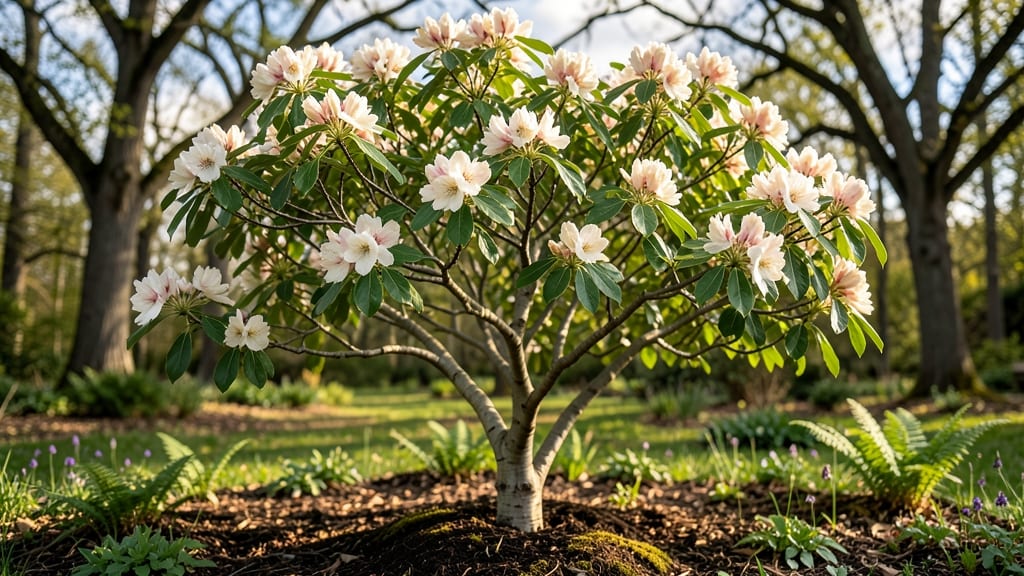
Dogwood trees bloom in early spring 🌳, painting landscapes with their iconic white flowers that signal the season’s arrival.
Imagine walking through a spring garden where delicate white blossoms burst forth from every corner—this is the magic of dogwood trees in full bloom, a sight that transforms landscapes into living art.
But timing matters: a dogwood’s blooming season shifts from late March in the South to May in the North, and even the variety you choose can push those dates earlier or later.
Here’s how to predict when your tree will flower, plus tips to make sure it puts on the best show year after year—no guesswork, just stunning results.
When do dogwood trees bloom: exact timing by region and variety
Dogwood trees (Cornus spp.) are famous for their stunning spring blooms, but their exact timing varies dramatically depending on your USDA hardiness zone and the specific variety you're growing.
In warmer climates like Zone 7-9, you might see blooms as early as February, while in colder Zone 4-5 regions, flowers typically appear in late April to May. Understanding these patterns helps you plan your landscape for maximum impact.
The most common dogwood, Cornus florida (flowering dogwood), is a spring favorite, but its cousin, Cornus kousa (Kousa dogwood), often blooms slightly later and handles heat better. Even within these species, individual varieties can shift bloom times by 1-2 weeks depending on local microclimates.
For example, Cherokee Brave blooms earlier than Stella de Oro in the same region.
Climate plays a huge role in bloom timing. Mild winters with minimal frost encourage earlier flowering, while late spring frosts can damage buds just as they open. Coastal areas often see blooms 2-3 weeks earlier than inland regions at the same latitude.
Even elevation matters—mountainous zones may delay blooms by 10 days or more compared to valley gardens.
Here’s a quick reference for when to expect dogwood blooms across the U.S., including key varieties and regional adjustments:
| USDA Zone | Typical Bloom Window | Key Varieties | Climate Notes |
|---|---|---|---|
| 3-4 | Late April–May | Cornus florida 'Cherokee Princess' | Late frosts common; protect buds |
| 5-6 | Mid-April–early May | Cornus florida 'Rubra' | Moderate frost risk; blooms after last frost |
| 7-8 | March–early April | Cornus kousa 'Milky Way' | Early blooms; heat-tolerant |
| 9-10 | February–March | Cornus florida 'Stella de Oro' | Mild winters; blooms early |
| Coastal (e.g., Pacific NW) | Late February–March | Cornus kousa 'Rotunda' | Maritime climate; blooms 2-3 weeks early |
If you’re in Zone 5 or colder, choose varieties like Cornus florida 'Cherokee Princess', which is bred for cold hardiness and blooms reliably despite late frosts.
In southern zones (7-9), Cornus kousa varieties excel—they handle heat and humidity better than traditional dogwoods and often rebloom lightly in fall.
For gardeners in transition zones (6-7), timing can be tricky. A late frost in March might nip buds just as they open. To mitigate this, plant dogwoods near south-facing walls or in microclimates with radiant heat, like slopes or near paved areas that absorb warmth.
Mulching heavily in late fall also insulates roots and encourages earlier bud break.
Did you know that dogwoods in containers bloom 1-2 weeks later than those planted in the ground? This is because root zones warm up more slowly in pots. If you’re growing potted dogwoods, move them to a protected location in late winter to accelerate blooming.
Some gardeners even use row covers to shield buds from unexpected frosts.
Local weather patterns can shift bloom times dramatically. For example, El Niño years often bring warmer winters, causing dogwoods in Zone 6 to bloom as early as late March instead of April.
Keep a garden journal to track your tree’s bloom dates year after year—this helps you anticipate the best time to plant companions like azaleas or spring bulbs for a cohesive display.
One final tip: Dogwoods planted in full sun (6+ hours daily) tend to bloom 1
Best dogwood tree varieties for prolonged white flower displays
If you dream of dogwood trees bursting with white blossoms for weeks, not days, you’ll want to focus on the right varieties. Some cultivars extend their blooming season by up to 3 weeks with minimal extra care.
The key lies in selecting fragrant, long-blooming types like Cherokee Princess or Stella de Oro, which thrive in USDA zones 5-9 and adapt beautifully to partial shade.
Not all dogwoods are created equal—some prioritize vibrant foliage over flowers, while others focus on extended bloom times. For example, Royal Purple dazzles with deep burgundy leaves, but its white flowers fade faster.
Meanwhile, Cherokee Brave offers pink-tinged buds that transition to white, adding visual interest. Let’s dive into the top 5 varieties that deliver prolonged white displays with ease.
First up is the Cherokee Princess, a florida dogwood hybrid that steals the show with pure white flowers and a subtle vanilla fragrance. Its blooming season stretches from late April to early June, making it a standout in spring gardens.
This variety also boasts disease resistance, reducing the risk of anthracnose, a common dogwood nemesis. Pair it with hostas or ferns to create a shady woodland vibe.
For compact spaces, Stella de Oro is a game-changer. This dwarf dogwood tops out at 6 feet tall and blankets itself in white flowers from May to June. Its prolonged bloom time is thanks to its heat tolerance, making it ideal for southern climates.
Prune lightly after flowering to maintain its rounded shape, and watch it rebound with vibrant red stems in winter for year-round interest.
If you crave color contrast, Royal Purple delivers with deep purple foliage and white flowers that appear in early May. While its bloom duration is shorter (around 2 weeks), its foliage spectacle makes up for it.
To extend its flowering season, ensure it gets morning sun and well-draining soil. Avoid overwatering—wet roots can stress the tree and shorten its bloom time.
For a fragrant focal point, Cornus florida 'Rubra' (Ruby Red) offers pink-tinged white blooms with a light floral scent. Its blooming window spans late April to mid-May, but with proper care, you can coax a second flush of flowers in early fall.
Fertilize lightly in early spring with a balanced 10-10-10 mix to encourage robust growth. This variety thrives in woodland gardens and pairs beautifully with azaleas or rhododendrons.
Lastly, Cornus kousa 'Milky Way' is a Kousa dogwood stunner with creamy white flowers that bloom from late May to June. Its large, papery bracts add texture, and its low-maintenance nature makes it a favorite for beginner gardeners.
To extend its flowering season, mulch heavily in early spring and avoid heavy pruning—this variety responds best to light shaping after its blooms fade.