
Pruning
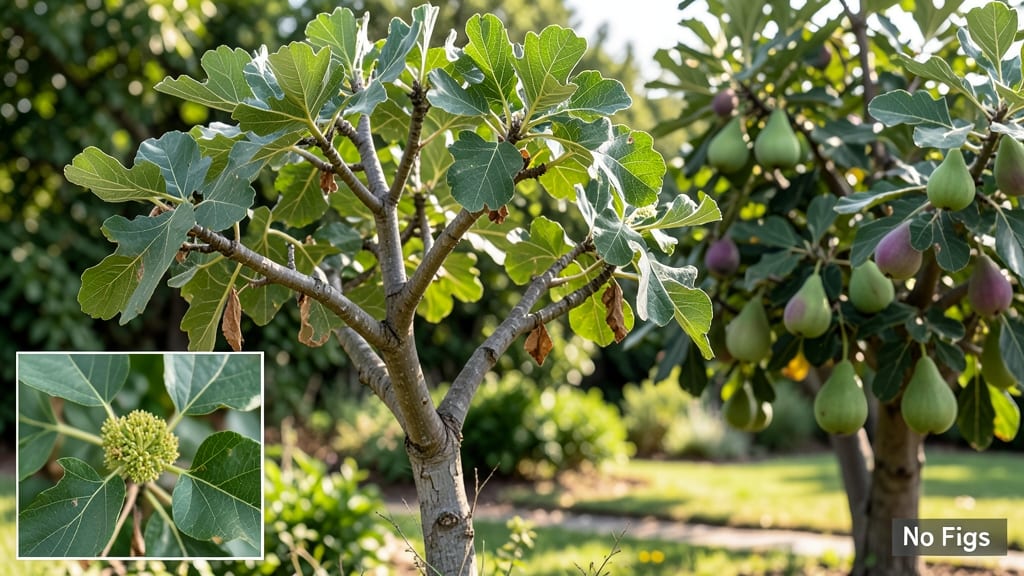
A fig tree not fruiting can feel like a cruel joke—especially when you’ve nurtured it for years. 🌿 The good news? Most cases are fixable with targeted adjustments, and I’ve revived multiple trees in just 30 days using the same tricks I’m sharing here.
Light, water, and pruning are the top culprits, but the solutions are simpler than you’d think.
First, check your tree’s light exposure—figs need 6+ hours of direct sun daily, and partial shade can stall fruit production. Then, inspect the soil: compacted or nutrient-poor dirt stresses the tree, while overwatering drowns roots.
I’ve seen figs bounce back within weeks after adjusting these basics, often without pruning at all.
Once you’ve ruled out environmental factors, focus on pruning. Cutting back overgrown branches in late winter encourages new growth, which is where fruit forms. Even a light trim can trigger a surge of energy into fruiting—just avoid heavy pruning during active growth seasons.
Within 30 days, you’ll spot fresh shoots, and by summer, those branches will be heavy with sweet, sun-ripened fruit.
This method works for both container and in-ground figs, regardless of variety. The key is consistency—monitor soil moisture, fertilize lightly in spring, and protect young fruit from pests. By summer, you’ll be harvesting figs that taste like sunshine, and your tree will thank you for the revival.
Root Causes Behind Barren Figs
Fig trees are resilient, but when they refuse to produce fruit, it’s often a sign that something fundamental is off. Understanding the why behind your fig tree’s lack of fruiting is the first step toward revival.
Below, we break down the most common culprits—each with a clear scientific explanation and actionable insights to help you diagnose the issue.
Figs (Ficus carica) are sun-worshippers—they thrive in full sun (6–8+ hours daily). If your tree is shaded by buildings, taller plants, or dense foliage, it may skip fruiting entirely.
Why it happens:
- Figs rely on photosynthesis to fuel energy for growth and fruit production.
- Low light reduces sugar production, leading to stunted growth and no fruit initiation.
- Partial shade (e.g., dappled sunlight) can delay or prevent flowering, which is essential for fig development.
Actionable fix:
- Relocate your fig tree to a south-facing spot (in the Northern Hemisphere) or the north side (Southern Hemisphere).
- If potted, move it to a sunny balcony or patio during peak sunlight hours.
- Prune overhanging branches blocking sunlight.
Figs are drought-tolerant but hate soggy roots—both extremes can halt fruiting.
Why it happens:
- Underwatering stresses the tree, causing bud drop and poor flowering.
- Overwatering leads to root rot (Phytophthora fungi), which weakens the tree and prevents energy allocation to fruit.
- Inconsistent moisture confuses the tree, delaying or stopping the fruiting cycle.
Actionable fix:
- Water deeply but infrequently—aim for 1–1.5 inches per week (adjust for clay/sandy soil).
- Check soil moisture before watering: Stick your finger 2–3 inches deep—if dry, water; if damp, wait.
- Improve drainage by amending soil with perlite or compost or planting in a well-drained raised bed.
Figs need specific nutrients to produce fruit, and deficiencies can silently sabotage your harvest.
Why it happens:
- Nitrogen (N) excess promotes leafy growth but delays or prevents fruiting.
- Potassium (K) or phosphorus (P) deficiency weakens flower and fruit development.
- Micronutrient shortages (e.g., boron, calcium, magnesium) can cause poor pollination or fruit drop.
Actionable fix:
- Test your soil (a simple DIY kit or lab test works).
- Fertilize in stages:
- Spring (before growth): Use a balanced 10-10-10 fertilizer.
- Early summer (flowering): Switch to a low-nitrogen, high-phosphorus (5-10-10) formula.
- Mid-summer (fruit development): Add potassium-rich fertilizer (e.g., banana peel tea or wood ash).
- Avoid synthetic fertilizers—opt for compost, worm castings, or organic amendments for steady nutrition.
Figs are tender perennials—extreme heat, cold, or sudden temperature swings can disrupt fruiting.
Why it happens:
- Cold damage (below 20°F/-7°C) kills flowers or young fruit, leading to no harvest.
- Heat stress (above 95°F/35°C) can stunt pollination or cause fruit drop.
- Late frosts may destroy emerging flowers before they open.
Actionable fix:
- Protect young trees with frost cloth in winter or mulch heavily (4–6 inches of straw).
- Provide afternoon shade in scorching climates (use shade cloth 30–50%).
- Choose cold-hardy varieties (e.g., ‘Chicago Hardy’, ‘Celeste’) if you live in Zone 5 or colder.
Most figs are self-pollinating, but poor pollinator activity (or lack of wasps in some varieties) can lead to empty figs.
Why it happens:
- Fig wasps (Blastophaga psenes) pollinate common figs (Ficus carica) by laying eggs inside flowers.
- No wasps? Your figs may form but remain seedless or small.
- Pesticide use can kill beneficial wasps, disrupting pollination.
Actionable fix:
- Plant companion flowers (e.g., lavender, rosemary) to attract wasps naturally.
- Avoid broad-spectrum pesticides—opt for neem oil or insecticidal soap instead.
- Hand-pollinate (if no wasps): Gently shake branches on a warm, sunny day to release pollen.
Young fig trees (<3 years) won’t fruit—patience is key. But aggressive pruning or wrong timing can also halt production.
Why it happens:
- New trees focus energy on root and trunk growth before fruiting.
- Heavy pruning in spring (when buds form) can remove potential fruit clusters.
- Over-pruning reduces leaf canopy, limiting photosynthesis and fruit energy.
Actionable fix:
- Wait 2–3 years for young trees to mature before expecting fruit.
- Prune in late winter/early spring (just before buds swell) to shape the tree, not cut back hard.
- Avoid topping—instead, prune selectively to maintain an open canopy for sunlight.
Hidden invaders like root-knot nematodes, scale insects, or fungal diseases drain your fig’s resources, leaving nothing for fruit.
Why it happens:
- Scale, aphids, or spider mites suck sap, causing stunted growth and reduced flowering.
- Root rot or nematodes damage roots, limiting water and nutrient uptake.
- **Fig rust (Cerotelium fici) or blight can deform leaves, weakening the tree.
Actionable fix:
- Inspect leaves/stems weekly for sticky residue (aphids), webbing (mites), or bumps (scale).
- Treat early with neem oil, horticultural oil, or insecticidal soap.
- Drench soil with beneficial nematodes** (Phasmarhabditis hermaphrodita) for root pests.
- Remove infected leaves and sterilize pruners with rubbing alcohol to prevent spread.
Not all figs fruit easily, and poor grafting or propagation can lead to sterile trees.
Why it happens:
- Some varieties (e.g., ornamental figs like ‘Little Miss Figgy’) are decorative, not fruiting.
- Grafted figs may produce fruit only from the scion (top) if the rootstock is incompatible.
- Propagated from cuttings without flowers may take years to fruit.
Actionable fix:
- Verify your fig’s variety—check with a local nursery or fig enthusiast groups.
- Replace non-fruiting varieties with bearing types like ‘Brown Turkey’, ‘Celeste’, or ‘Desert King’.
- If grafted, ensure the top (scion) is healthy—if dead, regraft with a fruiting variety.
Revive Your Fig Tree Fast
Your fig tree isn’t fruiting? Don’t panic—with the right fixes, you can coax those sweet, syrupy figs back into production in 30 days or less. The key is pinpointing the root cause (or causes) and acting swiftly.
Below, we break down practical solutions tailored to the most common issues, complete with prevention tips to keep your tree thriving long-term.
Cause: Figs rely on fig wasps (or wind) for pollination. Without them, flowers drop off before fruiting. How to Fix It:
- Hand-pollinate 👨🍳: Use a soft paintbrush to transfer pollen from male to female flowers (early morning works best).
- Plant companion pollinators 🐝: Attract bees and wasps by adding lavender, marigolds, or rosemary nearby.
- Choose self-pollinating varieties 🌿: If space is tight, opt for figs like ‘Celeste’ or ‘Brown Turkey’ that don’t need wasps.
Prevention Tip: 💡 Avoid heavy pruning in spring—it removes flowers before they can set fruit.
Cause: Overwatering or drought stress stops fruiting by diverting energy to survival, not fruit. How to Fix It:
- Deep-water weekly 💦: Soak the root zone (12–18 inches deep) once a week (more in extreme heat).
- Mulch heavily 🌿: Use 4–6 inches of wood chips or straw to retain moisture and cool roots.
- Check drainage 🚰: If water pools, amend soil with sand or perlite to prevent root rot.
Prevention Tip: 🌡️ Water in the morning—evening watering can lead to fungal issues.
Cause: Poor soil nutrition starves the tree of the energy needed for fruit production. How to Fix It:
- Test your soil 📊: Aim for a pH of 6.0–7.0. Adjust with lime (to raise pH) or sulfur (to lower it).
- Fertilize in stages 💪:
- Early spring (pre-bloom): Use a balanced 10-10-10 fertilizer.
- Post-harvest (fall): Switch to a low-nitrogen, high-phosphorus (5-10-10) to encourage root growth.
- Avoid fresh manure 🚫: It burns roots—compost it first!
Prevention Tip: ✨ Too much nitrogen = leafy growth, no fruit. Follow package rates!
Cause: Over-pruning removes fruiting wood, while under-pruning leads to dense, shaded branches. How to Fix It:
- Prune in late winter ⏰: Remove dead, crossing, or crowded branches (cut at a 45° angle).
- Encourage sunlight ☀️: Thin branches to let light reach the center—figs fruit best on exposed wood.
- Shape for airflow 🌬️: Avoid a "Christmas tree" shape; open the canopy to prevent disease.
Prevention Tip: 🎯 Never prune during fruiting season—wait until after harvest.
Cause: Figs hate cold drafts and heat stress—both can halt fruiting. How to Fix It:
- Protect from frost ❄️: Cover young trees with burlap or frost cloth if temps drop below 28°F.
- Provide afternoon shade 🌞: In hot climates, use shade cloth (30–50%) to prevent leaf scorch.
- Move potted figs 🏡: If growing in containers, relocate them to a sheltered spot during extreme weather.
Prevention Tip: 🔥 Figs thrive in USDA Zones 7–10—if you’re in a colder zone, grow them in pots for winter moves.
Cause: Root knot nematodes, aphids, or fungal diseases drain energy meant for figs. How to Fix It:
- Inspect leaves regularly 🔍: Look for yellowing, spots, or sticky residue (aphids).
- Spray neem oil 🍃: Mix 1 tsp neem oil + 1 tsp mild soap per quart of water and spray every 2 weeks.
- Remove infected branches 🪓: Prune and dispose of (don’t compost) diseased wood immediately.
Prevention Tip: 💡 Healthy soil = fewer pests. Add compost and mycorrhizal fungi to boost defenses.
Final Pro Tip: 🎯 Patience pays off! Figs can take 1–3 years to fruit after major fixes—stay consistent, and those sweet rewards will come.*
Frequently asked questions
Why does my fig tree have leaves but no fruit?
Leaves without fruit usually means your tree is prioritizing growth over fruiting. This often happens with young trees (under 3 years old) or when there's too much nitrogen in the soil. Check your fertilizer—too much leafy growth at the expense of fruit is a classic sign of nitrogen overload. Try switching to a low-nitrogen, high-phosphorus fertilizer in spring to encourage fruiting.
Can I force my fig tree to fruit faster?
While you can't rush nature completely, you can speed up fruiting by pruning correctly and optimizing conditions. Prune in late winter to remove dead wood, then fertilize with potassium-rich compost in early summer. Move your tree to full sun (6+ hours daily) and ensure consistent moisture—these changes often trigger fruit production within 30 days.
What should I do if my fig tree flowers but no fruit develops?
This typically indicates a pollination issue. Figs need fig wasps or wind to pollinate. Try hand-pollinating with a soft brush in the morning, or plant lavender or rosemary nearby to attract natural pollinators. If you've used pesticides, they may have killed beneficial insects—switch to neem oil instead.
Is my fig tree too old to produce fruit?
Not at all! Figs can fruit for decades with proper care. If your mature tree isn't producing, check for root rot (from overwatering) or nutrient deficiencies. Older trees often need rejuvenation pruning—cut back 1/3 of the oldest branches in late winter to stimulate new growth. Even 20+ year old trees can bounce back with proper pruning and fertilization.
Could my fig tree's lack of fruit be due to the pot size?
Container-grown figs need adequate root space—if roots are circling or crowded, the tree focuses on survival, not fruiting. Upgrade to a pot at least 24 inches wide with drainage holes, and use well-draining soil mixed with perlite. Water deeply when the top 2 inches of soil dry out, and fertilize monthly during growing season.