
How To
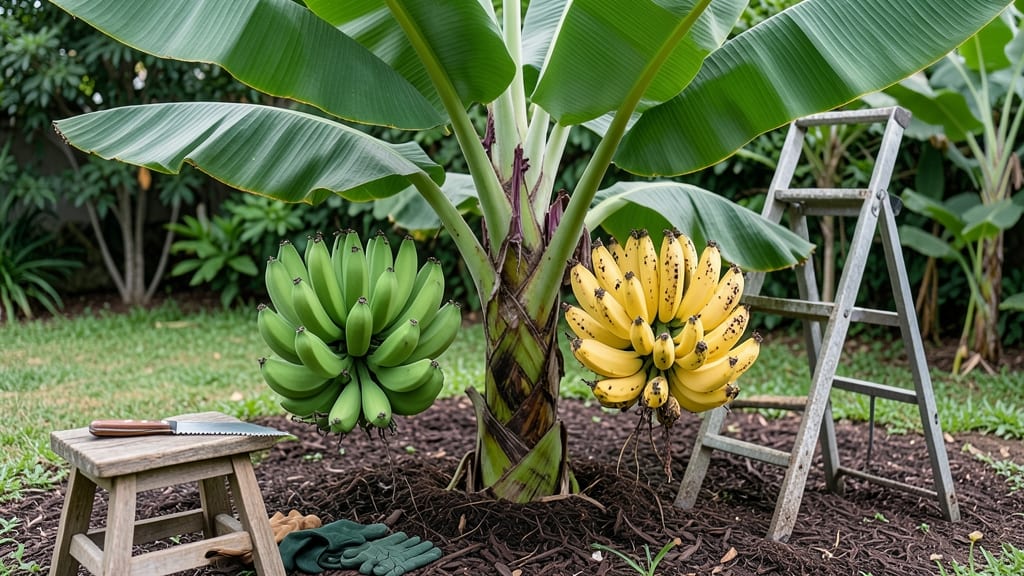
Picking Florida banana trees 🍌 at the right moment means the difference between sweet, creamy fruit and tough, flavorless disappointment — and timing it wrong can cost you your whole harvest.
Florida’s year-round growing season means bananas can ripen anytime, but most varieties hit peak flavor when the fruit turns fully yellow with just a hint of green at the base. Miss this window, and you’ll end up with bananas that are either too hard or already overripe.
In this guide, I’ll walk you through the exact visual cues to watch for, the best seasons for harvesting in Florida’s 9a-11 climate, and how to avoid common mistakes that ruin flavor and yield.
You’ll also learn whether to pick bananas for immediate eating or for indoor ripening, plus post-harvest care tips to keep your fruit fresh longer. Let’s get started!

How to identify the perfect ripeness timeline for Florida banana trees
Florida’s banana trees thrive year-round, but timing your harvest correctly is the difference between sweet, creamy bananas and bitter, underripe fruit. Unlike grocery store bananas, Florida varieties like Cavendish, Ice Cream, and Red Dacca ripen on the tree—so knowing when to pick ensures peak flavor and texture.
The key lies in visual cues combined with seasonal patterns, which I’ll break down for Florida’s unique climate.
Most Florida banana varieties ripen best during spring and summer, when temperatures hover between 75°F and 85°F. However, fall harvests can also yield fruit if your tree is healthy and well-cared-for.
The first visual clue is the fruit’s color: bananas should transition from green to fully yellow with just a hint of green at the base. This stage signals the optimal ripeness window for harvesting.
Don’t rely solely on color—peel texture is your next clue. A ripe banana’s skin should yield slightly when you gently press it with your thumb. If the peel springs back, it’s not ready; if it leaves a slight indentation, it’s perfect.
For Cavendish bananas, the stem should also separate easily from the hand when twisted gently. This indicates the fruit is at its peak ripeness and ready for harvest.
Seasonal timing matters too. In Florida’s spring (March-May), bananas ripen faster due to warmer temperatures and longer daylight. By contrast, fall harvests (September-November) may require patience, as cooler evenings slow ripening.
Pay attention to your tree’s growth patterns: healthy trees produce fruit more consistently, while stressed trees may have irregular ripening cycles.
One common mistake is waiting until bananas are fully yellow with brown spots. By then, they’re often overripe and mushy. Instead, aim for 75-85% yellow with a slight green base for Cavendish varieties.
For Ice Cream bananas, wait until the peel is creamy yellow with no green remnants. Red Dacca bananas are trickier—they start red-purple and ripen to yellow, so harvest when the red fades to a deep yellow hue.
Florida’s humidity and heat can accelerate ripening, so check your bananas every 2-3 days once they turn mostly yellow. If you notice black spots or mold, harvest immediately, even if the fruit isn’t fully ripe. These signs indicate rot or pest damage, which spreads quickly in Florida’s climate.
Once picked, bananas continue to ripen at room temperature, but they’ll last longer in a cool, dry place if you need to store them.
Pro tip: If you’re unsure, pick a few bananas early and let them ripen indoors. This lets you test the flavor without risking the entire harvest. Place them in a paper bag with an apple (the ethylene gas speeds ripening) and check daily.
Once they reach your desired sweetness, you’ll know the perfect harvest window for your tree.
Finally, remember that post-harvest care affects future yields. After picking, prune dead leaves and fertilize lightly to encourage new growth. In Florida’s climate, year-round care ensures your banana tree keeps producing sweet, ripe fruit season after season.
With these visual cues and seasonal tips, you’ll never miss the ideal harvest window again. Your Florida banana tree will thank you with bountiful, flavorful fruit all year long. 🍌🌿
5 Critical mistakes that ruin your banana harvest (and how to avoid them)
Florida’s year-round growing season means your banana trees can produce fruit almost anytime—but that doesn’t mean you can afford to be careless about harvest timing. Picking too early or ignoring subtle plant signals can turn sweet rewards into bitter disappointments.
Even Florida’s high humidity and pest pressures demand extra attention to avoid common mistakes that waste your harvest.
As someone who’s grown banana trees in Florida for years, I’ve seen firsthand how one wrong move can ruin an entire season’s yield. Whether it’s overlooking fruit color cues or ignoring the plant’s natural cycle, these mistakes are easier to fix than you think.
Let’s break down the top five errors and how to sidestep them before they cost you your harvest.
⚠️ Florida-Specific Harvest Warning
Florida’s humid climate speeds up banana ripening—sometimes too fast! If you wait for fruit to turn fully yellow on the tree, you risk pests like banana weevils or overripe fruit that spoils before you can eat it. Instead, harvest when bananas are mostly yellow with slight green at the base and ripen indoors for peak sweetness.
Mistake #1: Picking bananas too early because they’re "almost ripe." I’ve seen gardeners snap off green fruit hoping it’ll ripen later—only to end up with starchy, bland bananas that never develop proper sweetness.
Florida’s heat can trick you into thinking fruit is ready when it’s not. Always check for firmness with slight give and a yellow peel with minimal green at the base.
Mistake #2: Ignoring the plant’s signals. Banana trees have a natural cycle, and forcing a harvest too soon stresses the plant. Look for drooping leaves or yellowing at the base—these are signs the tree is ready to release its fruit.
In Florida’s wet summers, fungal diseases like black sigatoka can also mimic ripeness cues, so inspect fruit carefully for spots before picking.
Mistake #3: Neglecting post-harvest care. Even if you pick at the perfect moment, bananas won’t ripen properly if stored incorrectly. Florida’s high humidity means you must ripen bananas indoors in a paper bag with an apple or tomato to speed up ethylene production.
Leave them at room temperature—never in the fridge, or they’ll turn mushy.
Mistake #4: Letting pests dictate your harvest. Florida’s banana weevils and fruit flies can devastate unripe fruit. If you notice small holes or chewed peels, pick immediately—even if the bananas aren’t fully colored.
A neem oil spray on the tree can help prevent future infestations, but early harvests are your best defense.
Mistake #5: Assuming all bananas ripen at the same time. Different varieties (like Dwarf Cavendish vs. Ice Cream bananas) have unique ripening windows. In Florida, spring-planted trees often bear fruit faster than summer ones due to consistent rainfall.
Keep a harvest journal to track each variety’s timeline and adjust your strategy accordingly.