
Container Gardens
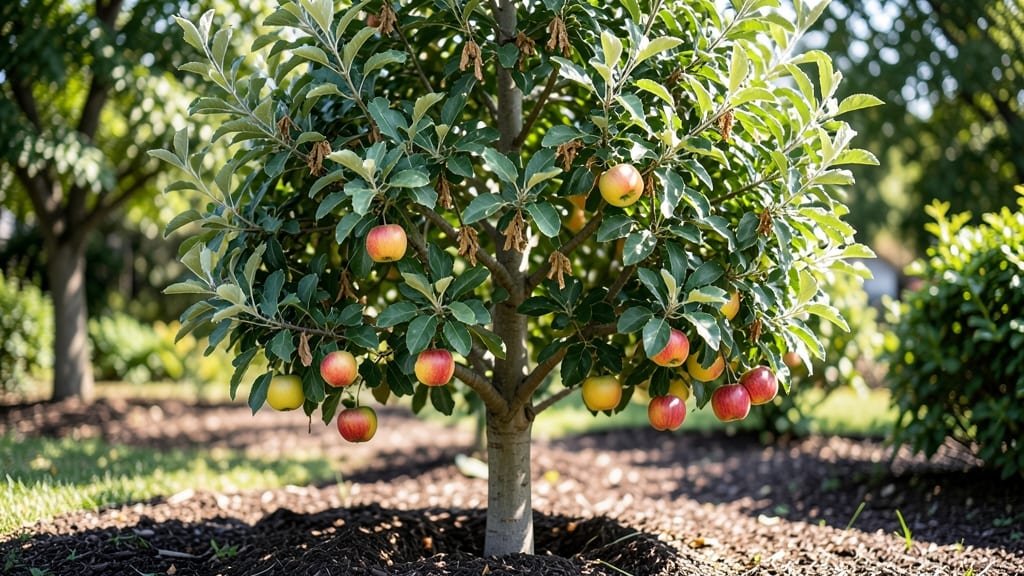
Growing Gala apple trees works best in USDA zones 4 through 8, where they handle winter temperatures from -20°F to 10°F (-29°C to -12°C). Plant bare-root trees in early spring or fall, while container-grown trees can go in anytime in mild areas. Always pick a sunny spot with well-draining soil for the best results.
Gala apple trees are one of the most popular varieties because they adapt well to cooler climates while still producing sweet, crisp fruit. 🍏 The key to their success lies in proper winter preparation—mulching heavily in zones 4-5 protects roots from extreme cold, while pruning in late winter ensures strong bud development.
In warmer zones (6-8), focus on shade protection during summer heatwaves to prevent sunburn on fruit.
For planting timing, northern gardeners should aim for early spring (March-April) when soil thaws, while southern growers can plant in fall (October-November) to establish roots before summer heat. Container growing extends flexibility—just ensure pots have drainage holes and use a high-quality potting mix to prevent root rot.
💡 In This Article
- Gala Apple Tree Cold-Hardiness and Winter Survival
- Step-by-Step Gala Apple Tree Planting Guide by Zone
Gala apple tree cold-hardiness and winter survival
The Gala apple tree's cold tolerance comes from its genetic adaptation to temperate climates, where it evolved to survive winter dormancy.
These trees can endure temperatures as low as -20°F (-29°C) in zones 4-5, thanks to their ability to harden off—where cell membranes thicken and sugars accumulate in leaves and stems to prevent ice crystal formation.
This process is triggered by shorter daylight hours and cooler temperatures in fall, preparing the tree for winter. 🌡️ In contrast, zones 7-8 experience milder winters, where the primary challenge shifts to summer heat stress rather than cold damage.
Bud formation is particularly sensitive to temperature fluctuations. Gala trees require 100-200 chill hours (temperatures between 32°F and 45°F/0°C-7°C) to break dormancy and produce fruit. In zone 4, these chill hours are naturally met, but in zone 8, growers may need to use techniques like late-summer pruning to stimulate dormancy.
The fruit itself develops best when daytime temperatures stay below 85°F (29°C)—any hotter, and the sugars concentrate too quickly, leading to mealy texture instead of the crisp, juicy quality Galas are known for.
Seasonal care adjustments make all the difference in winter survival. In zones 4-5, apply 4-6 inches of mulch around the base after the first frost to insulate roots, while in zones 6-8, focus on protecting the trunk from temperature swings with tree wraps.
Prune in late winter (just before buds swell) to remove dead wood and open the canopy for better air circulation—this reduces the risk of fungal diseases like apple scab, which thrives in damp, cold conditions. 🍂 The key is balancing protection without suffocating the tree; too much mulch can trap moisture and rot roots.
Regional variations also affect watering needs. Northern climates (zones 4-5) require deep watering in early fall to build root reserves, while southern climates (zones 7-8) need consistent moisture during summer to prevent drought stress.
Gala trees in containers are especially vulnerable to temperature extremes—they can overheat in zone 8 summers or freeze in zone 5 winters if not moved to sheltered spots. Using frost blankets or shade cloths during temperature swings can extend the growing season by 2-4 weeks in marginal zones.
What most growers overlook is how soil temperature affects root health. Even if air temperatures dip below freezing, roots stay safe if soil stays above 20°F (-7°C). In zones 4-5, this means avoiding heavy foot traffic on frozen ground, which can compact soil and reduce oxygen flow.
A soil thermometer is your best friend—planting in slightly elevated beds (6-12 inches high) can add 5-10°F of protection during extreme cold snaps. 🌱
For those in transition zones (like zone 6), where winters fluctuate between hard freezes and mild spells, a two-step approach works best: mulch heavily in December, then remove half in February to prevent overheating as spring approaches.
This mimics the tree's natural dormancy cycle while giving it the insulation it needs during polar vortex events. The goal is to let the tree regulate its own temperature responses without human intervention.