
Trees
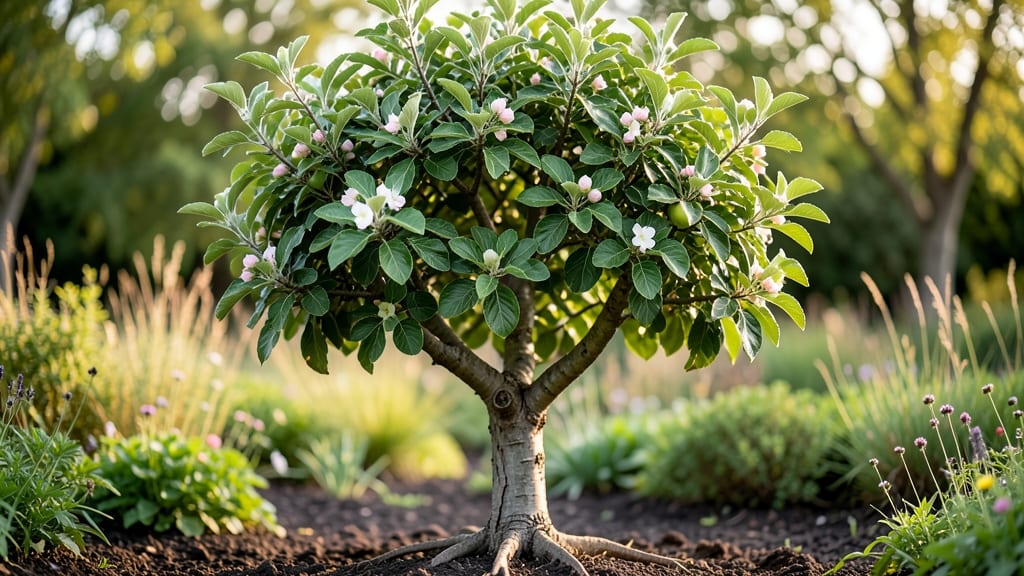
Granny Smith apple tree leaves reveal everything about your tree's health—yellowing, spots, or curled edges scream for action. 🍏 I've spent years diagnosing leaf issues, and the key to lush foliage lies in understanding what those visual cues really mean before they spiral into full-blown problems.
Start by inspecting the undersides of leaves for powdery white coatings (mildew) or tiny webs (mites), then check the stems for sticky residue (aphids). Most issues stem from three root causes: fungal infections, pest overload, or simple nutrient gaps—each requiring a different fix.
The good news? Catching these early means you can save your harvest before the season's halfway through.
📚 In This Guide
- What you need
- Instructions
- Tips and common mistakes
- Wrapping up and next steps
What you need
- ● Pruning shears or loppers – Sharp, sterilized tools (1 pair for small branches, 1 pair for thick limbs).
- ● Gloves – Heavy-duty, cut-resistant (1–2 pairs).
- ● Disinfectant (70% isopropyl alcohol or bleach solution) – 1–2 bottles for sterilizing tools.
- ○ Pruning sealant (optional but recommended) – 1 small bottle to prevent disease entry.
- ● Large trash bags or compost bin – For collecting leaves/branches (2–3 bags or access to a bin).
- ● Labeling tags & marker – If saving leaves for remedies (1 pack + marker).
- ● Extension pole saw – For high branches (1 unit).
- ● Leaf drying rack or mesh bags – For preserving leaves (1–2 units).
- ● Horticultural oil or neem oil – For treating pests (1 small bottle).
- ● Camera or notebook – To document pruning progress (1 device).
Step-by-Step guide to maintaining Granny Smith apple tree leaves
Here’s how to keep those glossy green leaves thriving year-round with science-backed pruning.
🌿 Step 1: Assess Leaf Health in Early Spring
Start by examining the tree in late winter or early spring before buds swell. Look for yellowing, curled, or spotted leaves—these often signal fungal diseases like apple scab or bacterial fire blight. I use a 10x magnifying glass to check undersides for mites or aphils, which love Granny Smith’s tender foliage.
Remove any dead, diseased, or damaged branches with clean, sharp pruners—sterilize them between cuts using 70% rubbing alcohol. Focus on thin, weak growth first; these are prime spots for pests. Healthy leaves should be deep green, firm, and free of blemishes—that’s your baseline for comparison.
✂️ Step 2: Prune for Airflow and Light Penetration
Granny Smiths produce best when leaves get full sun (6+ hours daily) and good airflow. Start by thinning the canopy—remove crossing branches and those growing inward. I aim for a vase-like shape, opening the center to let light reach lower leaves. Cut just outside the branch collar (the swollen area where the branch meets the trunk).
Never remove more than 25% of the tree’s foliage in one season—this stresses the tree and reduces fruit set. Watch for water sprouts (fast-growing vertical shoots) and suckers (shoots from the base)—these steal energy from fruit production. Prune them back to a bud or lateral branch to redirect growth.
☀️ Step 3: Summer Leaf Care and Pest Monitoring
Mid-summer is when Granny Smith leaves peak in vigor. Water deeply once a week (or more in drought) to prevent leaf scorch—look for brown edges or wilted foliage as warning signs. I mulch with 3 inches of wood chips to retain moisture and regulate soil temperature.
Check leaves weekly for pests: aphids cluster on new growth, while spider mites cause stippling (tiny yellow dots). Spray with neem oil (1 tbsp per gallon of water) at dusk to avoid harming bees. Healthy leaves should glisten slightly from morning dew—dull, dusty leaves need a gentle hose spray to remove debris.
🍂 Step 4: Fall Cleanup to Prevent Winter Stress
As leaves yellow and drop in autumn, rake up all fallen foliage—this removes overwintering pests and diseases. Prune again to shape the tree and remove dead wood, but avoid heavy cuts that expose fresh wounds to winter cold. Seal pruning cuts with tree wound paint only if the cut is larger than ½ inch in diameter.
Granny Smiths benefit from a light winter pruning in late winter (just before buds swell) to open the canopy for spring sunlight. Avoid pruning in fall—the tree needs to harden off before dormancy. Healthy leaves should retain color until frost, then drop cleanly without clinging.
⏰ Step 5: Year-Round Leaf Vigilance
Even in dormancy, monitor for mummified fruit (dried apples on branches)—these harbor codling moth larvae. Remove and destroy them. In early spring, apply dormant oil (if no buds have swollen) to smother overwintering eggs. Fertilize in late winter with 10-10-10 (1 lb per inch of trunk diameter) to support new leaf growth.
By mid-summer, your Granny Smith should have lush, disease-free leaves—a sign the tree is stress-free and productive. If leaves yellow between veins, it’s likely iron chlorosis (common in alkaline soils)—apply chelated iron as a soil drench. Strong leaves mean better fruit set and sweeter harvests next season.
Tips & tricks for maintaining Granny Smith apple tree leaves
Keeping those vibrant leaves healthy takes more than just occasional pruning—it's about understanding the tree's needs year-round.
Early Detection is Key: In Step 1, when assessing leaf health, don't rely solely on visual inspection. Use your 10x magnifying glass to examine the undersides of leaves for early signs of pests like mites or aphids. These tiny invaders often hide on the undersides before you notice visible damage. I've caught infestations early by checking the undersides of 10% of the leaves randomly scattered throughout the canopy—this gives you a representative sample without checking every single leaf.
Pruning Precision Matters: When thinning the canopy in Step 2, remember that every cut affects the tree's energy balance. Always cut just outside the branch collar to promote proper healing. I've seen many gardeners make the mistake of cutting too close to the trunk or leaving stubs, which creates entry points for diseases. For larger branches over ½ inch in diameter, make the cut at a slight angle to prevent water from pooling on the wound, which can lead to rot.
Seasonal Adjustments: The summer care in Step 3 requires special attention to watering patterns. Granny Smith trees have shallow roots, so watering deeply once a week isn't always enough during heatwaves. I monitor the soil moisture by sticking my finger about 2 inches into the ground—if it feels dry, it's time to water. Also, consider installing a drip irrigation system that delivers water slowly at the base of the tree to prevent leaf scorch from overhead watering.
Dormant Season Strategy: During the winter pruning mentioned in Step 4, timing is crucial. Prune only when the tree is fully dormant but just before buds begin to swell. This timing ensures the tree isn't stressed during its vulnerable winter state. I've found that pruning too early in winter can expose fresh cuts to prolonged cold, while pruning too late can stimulate new growth that won't harden off properly before winter.
Pro Tips for Granny Smith Apple Tree Leaves
- Keeping those vibrant leaves healthy takes more than just occasional pruning—it's about understanding the tree's need...
- Early Detection is Key: In Step 1, when assessing leaf health, don't rely solely on visual inspection. Use your 10x m...
- Pruning Precision Matters: When thinning the canopy in Step 2, remember that every cut affects the tree's energy bala...
Frequently asked questions
Got questions about Granny Smith apple tree leaves?
You’re not alone! Here are some of the most common queries—and their straightforward answers—to keep your tree thriving year-round.
Why are my Granny Smith apple tree leaves turning yellow or brown?
Yellowing or browning leaves usually signal stress. Overwatering or underwatering, nutrient deficiencies (like iron or magnesium), or pests (such as spider mites) are common culprits. Check soil moisture and inspect leaves for tiny webs or spots. Adjust care and fertilize if needed—your tree will bounce back!
When is the best time to prune Granny Smith apple tree leaves for health?
Prune during late winter or early spring (before buds swell) to remove dead, diseased, or crossing branches. Avoid heavy pruning in fall—it can invite pests. Pro tip: Use sterilized tools and cut at a 45° angle just above a bud for clean, fast healing.
Can I use Granny Smith apple tree leaves for compost or mulch?
Healthy leaves make excellent mulch or compost. They’re rich in potassium and nitrogen, boosting soil fertility. Just avoid diseased leaves—toss those in the trash. Spread them around the base (but keep them 6+ inches from the trunk) to retain moisture and deter weeds.
How do I prevent pests or diseases from attacking my Granny Smith tree leaves?
Start with prevention: Prune for airflow, water at the base (not overhead), and apply neem oil or insecticidal soap if you spot aphids or mites. Remove fallen leaves promptly—they’re breeding grounds for fungi. Healthy soil (test pH annually) keeps trees resilient!
What can I do with fallen Granny Smith apple tree leaves?
Don’t toss them! Use them to:
- Make leaf mold: Pile leaves in a bin for 1–2 years—they’ll decompose into nutrient-rich soil.
- Feed worms: Red wiggler worms love them for composting.
- Create natural dye: Simmer dried leaves for green or brown hues (great for fabric or paper!).
Wrapping up and next steps
Caring for your Granny Smith apple tree isn’t just about harvesting sweet fruit—it’s about unlocking year-round wellness through mindful pruning and leafy goodness! 🍃 From pest control to homemade remedies, the leaves offer a treasure trove of benefits when used thoughtfully.
Whether you’re a seasoned gardener or just starting, every snip and harvest is a step toward a healthier home and garden.
Ready to take the next step? Start small:
- 📅 Schedule a seasonal pruning session—grab your tools and get acquainted with your tree’s needs.
- 🌿 Experiment with one DIY remedy (like tea or compost) to see what works best for your space.
- 📚 Join a local gardening group to swap tips and inspiration with fellow green thumbs!