
How To
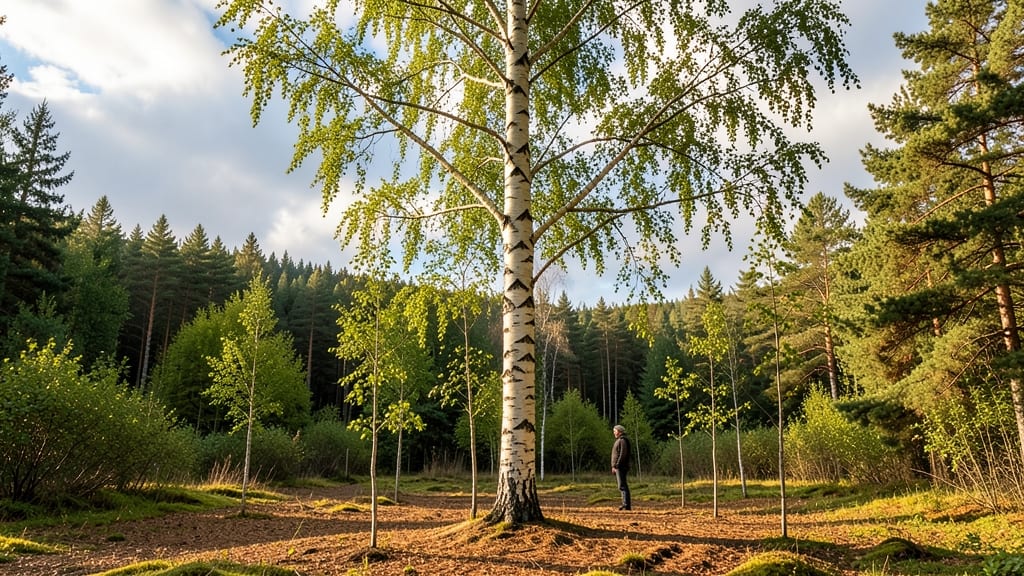
Birch trees grow to heights between 30 and 75 feet at maturity—though how fast and how tall they reach depends entirely on the species you choose.
If you're dreaming of adding birch trees to your landscape but wondering whether they’ll tower over your home or stay compact, the answer depends on the variety—and we’ve got the exact details you need.
Paper birch, for example, can shoot up to 50–70 feet in ideal conditions, while dwarf varieties like the ‘Fastigiata’ stay under 25 feet, making them perfect for smaller yards.
Below, we’ll break down the fastest-growing types, how to plan for their space needs, and even how pruning can help manage their height if you’re working with limited room.


Average height of birch trees by species: from dwarf to giant varieties
Birch trees are among the most elegant additions to any landscape, with their distinctive peeling white bark and graceful branches. But if you're planning to plant one, knowing how tall birch trees grow is crucial—especially if you have limited space or want quick shade.
The height varies dramatically between species, from dwarf varieties under 20 feet to towering giants reaching over 75 feet!
Choosing the right birch tree depends on your goals: Are you looking for a privacy screen, a shade provider, or a small garden accent? Below, we break down the mature heights of the most popular birch species, including their growth habits and ideal planting scenarios.
Whether you're a homeowner with a sprawling yard or a city dweller with a tiny balcony, there's a birch tree that fits your needs.
Note: Heights listed are for mature trees in ideal conditions. Growth rates can vary based on soil quality, sunlight exposure, and climate zone. Always check your local USDA zone before planting.
| Species | Common Name | Mature Height (ft) | Canopy Width (ft) | Growth Rate | Best For |
|---|---|---|---|---|---|
| Betula papyrifera | Paper Birch | 50–75 ft | 30–40 ft | Moderate | Large landscapes, shade |
| Betula alleghaniensis | Yellow Birch | 60–80 ft | 40–50 ft | Slow to moderate | Woodlots, privacy screens |
| Betula nigra | River Birch | 40–70 ft | 35–50 ft | Fast | Wet soils, erosion control |
| Betula pendula | European White Birch | 50–65 ft | 30–40 ft | Moderate | Urban planting, ornamental |
| Betula japonica | Japanese Birch | 15–25 ft | 10–15 ft | Slow | Small gardens, containers |
| Betula utilis | Himalayan Birch | 30–40 ft | 15–25 ft | Moderate |
Fastest-growing birch trees: how quickly they reach mature heightIf you're eager to add birch trees to your landscape but want to know which varieties will deliver the fastest results, you're in the right place. Some birch species can grow 3 to 5 feet per year under ideal conditions, making them perfect for quick shade or privacy solutions. The key factors influencing growth speed include species selection, climate, and care practices—and we'll break down everything you need to know. Birch trees are known for their rapid growth compared to many other hardwood species. For example, a river birch can reach 15 feet tall in just 3 years, while a paper birch might take slightly longer to mature. Understanding these growth rates will help you plan your landscape design effectively, whether you're aiming for a tall privacy screen or a compact accent tree. 1
River Birch grows 3–5 ft/year and reaches 30–50 ft in 10–15 years. Ideal for fast shade and moist soil.
2
Paper Birch grows 2–4 ft/year and reaches 40–75 ft in 15–25 years. Best for cold climates and dry soil.
3
Yellow Birch grows 1–3 ft/year and reaches 50–70 ft in 20–30 years. Prefers rich soil and shade tolerance.
4
Dwarf Varieties like Betula pendula 'Fastigiata' grow 1–2 ft/year and stay under 15–25 ft. Perfect for small yards and containers.
To maximize growth, focus on well-draining soil, full sun exposure, and regular watering during the first few years. Birch trees thrive in USDA zones 2–6, but their growth rate can slow in hot, dry climates. Mulching around the base helps retain moisture and encourages faster root development, which directly impacts how quickly the tree grows upward. If you're planting birch trees for a privacy screen, prioritize river birch or paper birch for their faster growth. For a smaller landscape, consider dwarf varieties that still offer the iconic birch look without the towering height. Always check local regulations, as some areas restrict tree planting near property lines due to their expansive root systems. Pruning young birch trees can help direct growth and prevent weak branches, but avoid heavy pruning once the tree is established. Focus on removing dead or crossing branches in late winter or early spring when the tree is still dormant. This ensures minimal stress and maintains the tree's natural growth momentum. For the fastest results, plant birch trees in early spring after the last frost. This gives them the entire growing season to establish roots and shoot upward. With the right care, you could see a 10-foot birch tree in just 5 years—perfect for transforming your outdoor space quickly and beautifully. |