
How To
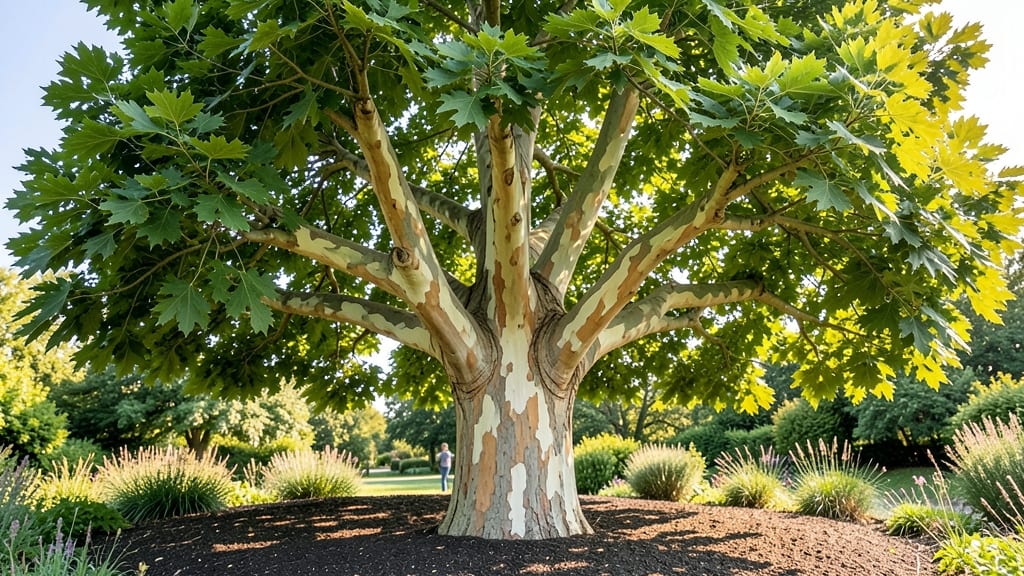
A sycamore tree can grow to 60 to 100 feet tall—taller than a 10-story building—making it one of nature’s most impressive shade providers.
If you're dreaming of a towering shade provider or a majestic focal point in your landscape, sycamore trees deliver—some reaching heights that dwarf even the tallest oak. But not all sycamores grow the same, and their skyward potential depends on variety, growing conditions, and a little strategic care.
Under ideal conditions—like full sun and well-drained soil—certain varieties like the London planetree (Platanus × acerifolia) can shoot up 3 to 5 feet per year in their youth, while slower-growing types like the American sycamore (Platanus occidentalis) take their time to reach maturity.
The difference between a 60-foot and a 100-foot tree often comes down to soil quality, climate, and how much space you give its roots.
Below, I’ll break down the exact height ranges by variety, share tips to encourage faster growth, and help you plan your landscape so your sycamore has room to thrive—without crowding your neighbors’ rooftops.


Sycamore tree height by variety: exact growth ranges for common species
Sycamore trees are nature’s skyscrapers, with some varieties stretching toward the sky like architectural marvels. The American sycamore (Platanus occidentalis), for example, can reach 70–100 feet at maturity—taller than a 10-story building.
Meanwhile, the London planetree (Platanus × acerifolia), a popular hybrid, typically tops out between 60–80 feet. Understanding these differences helps you choose the perfect variety for your landscape, whether you need a towering shade tree or a slightly smaller statement piece.
Growth rates also vary dramatically. A young sycamore sapling might grow just 1–2 feet per year in its first few years, but once established, some varieties can shoot up 3–5 feet annually under ideal conditions.
Factors like soil quality, sunlight exposure, and water availability play critical roles in how quickly your sycamore reaches its full potential. Let’s dive into the exact height ranges and growth patterns for the most common sycamore varieties.
Here’s a quick visual guide to help you compare the mature heights of popular sycamore trees at a glance:
The American sycamore stands out as the tallest of the bunch, often surpassing 90 feet in ideal conditions. Its massive trunk and sprawling branches make it a dominant landscape feature, perfect for rural properties or large parks.
If you’re working with limited space, the 'Liberty' sycamore is a fantastic compromise—it grows faster than many varieties while staying slightly shorter, making it ideal for urban planting where space is at a premium.
For gardeners in cooler climates (USDA Zones 4–9), the London planetree is a reliable choice, thriving in cities and tolerating polluted air better than its native counterparts.
Meanwhile, the Oriental planetree is better suited for Mediterranean or subtropical regions, where it matures more slowly but develops a distinctive peeling bark that adds visual interest. Each variety brings unique characteristics to your landscape, so choose based on your space constraints and climate conditions.
One common misconception is that sycamores grow at a steady pace. In reality, their growth rates fluctuate wildly depending on the season.
Young trees may grow only a few inches per year in their first few years, while mature specimens can add up to 5 feet annually during peak growing seasons.
To encourage faster growth, prioritize well-draining soil, full sunlight exposure, and consistent watering—especially during the first few years after planting.
If you’re planting near power lines or other structures, always check local regulations for minimum clearance requirements. Some municipalities require sycamores to be planted at least 50 feet away from power lines due to their rapid growth.
Skipping this step could lead to costly pruning or even removal down the line. Always measure your available space and choose a variety that fits comfortably within it.
Another key factor is the spread of the canopy. While height is often the focus, sycamores also develop wide, expansive canopies that can reach 40–60 feet in diameter. This means you’ll need ample horizontal space as well. For
Fastest-growing sycamore trees: how to identify and nurture rapid-growth varieties
If you're eager to see your sycamore reach towering heights in record time, focus on the 'Liberty' and 'Sutton' varieties—both known for their accelerated growth rates. These cultivars can add 3-5 feet annually under ideal conditions, making them perfect for creating quick shade or dramatic landscape statements.
The key is selecting the right variety and providing the conditions they crave.
Fast growth in sycamores starts with well-draining soil rich in organic matter. Amend heavy clay with compost to improve aeration, and ensure the planting site gets full sun exposure (6+ hours daily).
Without these basics, even the fastest-growing varieties will slow down significantly. Think of it like giving your tree a growth supercharge from day one.
| Variety | Ideal Growth Rate (ft/year) | Mature Height (ft) | Optimal Conditions |
|---|---|---|---|
| 'Liberty' | 4-5 | 70-90 | Full sun, moist soil, urban-friendly |
| 'Sutton' | 3-4 | 60-80 | Full sun, adaptable soil, disease-resistant |
| American Sycamore | 2-3 | 70-100 | Full sun, deep soil, rural settings |
| 'Liberty' (Suboptimal) | 1-2 | 50-60 | Partial shade, poor soil, urban stress |
Pruning plays a crucial role in encouraging vertical growth. Focus on removing water sprouts and crossing branches in late winter or early spring. This redirection of energy upward can boost height gains by 20-30%.
Just avoid heavy pruning in summer—it stresses the tree and slows growth. Think of pruning as traffic directing for your tree's energy.
Watering young sycamores deeply 2-3 times per week during their first growing season creates strong root systems that support rapid height increases. Once established, reduce to weekly deep waterings unless experiencing drought.
Overwatering causes root rot, which stunts growth faster than any other factor. A simple soil moisture test—stick your finger 2 inches down—tells you when it's time to water.
For maximum height potential, plant your sycamore sapling in early spring when roots can establish before summer heat. Space it 40-50 feet from structures or other trees to avoid future root competition.
With the right variety, soil prep, and care, you could see your sycamore reach 50 feet in just 10 years—a true testament to nature's speed when given the right conditions.
Remember, even the fastest-growing sycamores need patience. While they may shoot up quickly, their structural strength develops over decades. The early years are about building a foundation—so give your tree the best start possible, and it will reward you with decades of shade and beauty. 🌳