
How To
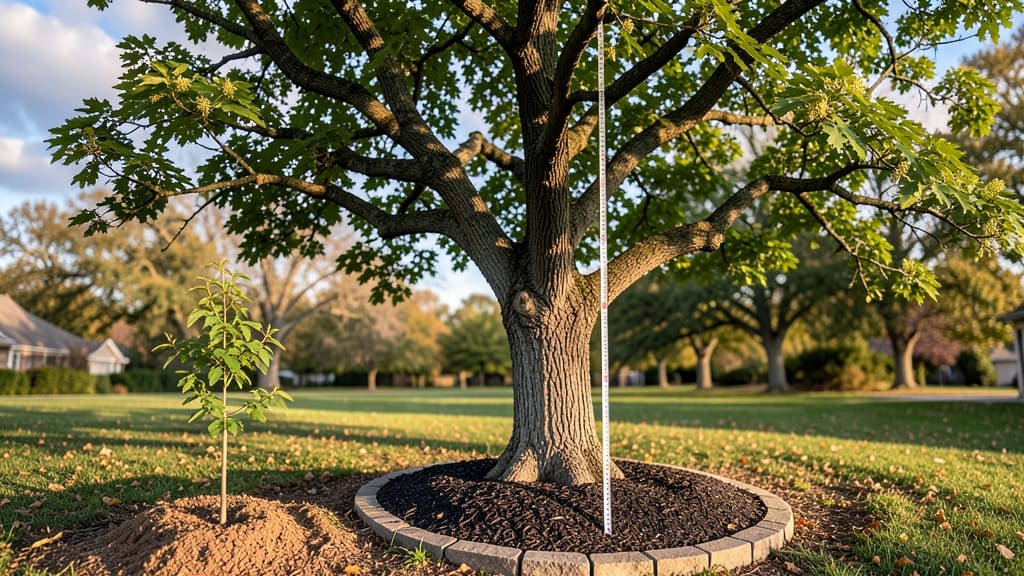
How tall does an elm tree grow at maturity? These trees can reach heights ranging from 40 to 80 feet, making them a stunning but space-demanding choice for your landscape.
If you're dreaming of a majestic shade tree for your yard, elm trees might be on your radar—but did you know their height can vary dramatically by species? From towering giants like the American elm to more compact varieties, understanding these differences is key to planning your outdoor space wisely.
For gardeners in USDA Zone 6a, where spring planting is ideal, choosing the right elm tree means balancing beauty with practicality. Some varieties can reach three stories tall within a decade, while others grow more slowly, giving you time to adjust your yard layout before they outgrow their space.
In this guide, we’ll break down height expectations by species, growth rates, and tips for managing their size—so you can enjoy a healthy, thriving 🌳 elm tree without unexpected surprises.


Elm tree height by species: from dwarf varieties to towering giants
Choosing an elm tree for your landscape means deciding between stately giants that dominate the skyline and compact varieties perfect for small yards. The American Elm and English Elm can reach 70-80 feet tall, while Siberian Elm grows aggressively to 50-70 feet.
Even the dwarf varieties still tower over most homes at 30-40 feet. Understanding these differences helps you match the tree to your space while planning for future shade and maintenance needs.
Elm trees are iconic for their vibrant fall color and disease-resistant hybrids, but their mature height varies dramatically. A Siberian Elm might outpace your American Elm neighbor in just a few years, while Slippery Elm grows slower but lives longer.
For urban gardens, dwarf cultivars offer the same beauty without the space requirements. Let’s explore how each species compares in height and growth habits.
| Species | Mature Height (ft) | Growth Rate (ft/year) | Ideal Yard Size |
|---|---|---|---|
| American Elm | 70-80 ft | 1.5-2 ft | Large estates, parks |
| Slippery Elm | 60-70 ft | 1-1.5 ft | Medium to large yards |
| Siberian Elm | 50-70 ft | 2-3 ft | Urban areas, large properties |
| Dutch Elm | 60-80 ft | 1-2 ft | Large landscapes, parks |
| Dwarf Elm (e.g., 'Christoma') | 30-40 ft | 0.5-1 ft | Small yards, urban gardens |
The American Elm is the classic shade tree, but its 70-80 foot height makes it best suited for large properties or parks. If you’re working with a medium-sized yard, the Slippery Elm offers a slightly shorter stature at 60-70 feet while still providing ample shade.
For faster results, the Siberian Elm grows 2-3 feet per year, making it ideal for urban areas where quick canopy coverage is desired.
If you’re limited to a small yard, dwarf varieties like 'Christoma' reach only 30-40 feet but still deliver the distinctive elm shape and fall foliage. These compact options are perfect for patio planting or as focal points in urban gardens.
Always check your local nursery for disease-resistant cultivars, as some elms are more prone to Dutch Elm Disease.
When planning your landscape, consider not just the mature height but also the spread of the canopy. A 70-foot-tall elm can have a 50-foot spread, meaning it needs significant horizontal space too.
Measure your yard carefully and leave at least 20 feet of clearance from structures, sidewalks, and other plants to avoid future pruning headaches.
For fast-growing shade, the Siberian Elm is a top choice, but be aware of its aggressive root system. If you prefer a slower-growing but equally majestic tree, the American Elm or English Elm will reward you with long-term stability and dramatic seasonal color.
Always plant elms in well-draining soil with full sun exposure to encourage healthy growth and minimize disease risks.
Elm trees are deciduous powerhouses that thrive in USDA Zones 2-9, but their height potential depends heavily on climate and care. In cooler northern regions, growth may be slower, while southern climates can accelerate height gain.
Regular pruning in late winter helps maintain shape and encourages upward growth, but avoid heavy pruning in summer months when the tree is most vulnerable to stress.
Before planting, visualize the mature height of your elm tree by comparing it to nearby structures. A
How fast do elm trees grow? Growth rates by age and species
If you're planting an elm tree, knowing its growth rate helps you plan for shade and space. Elm trees grow at different speeds depending on the species and growing conditions.
Some varieties like Siberian Elm shoot up quickly, while others like American Elm take decades to reach their full height. Understanding these patterns ensures your landscape thrives without overcrowding. The first few years are critical for establishing a strong root system, which directly impacts future growth. 🌱
Elm trees typically grow fastest during their first decade. After that, their height gain slows significantly. For example, a Siberian Elm might add 3-5 feet per year in ideal conditions, while a Dutch Elm grows more modestly at 1-2 feet annually.
Soil quality, water availability, and sunlight exposure all play a role in how quickly your tree matures. Pruning young trees can also encourage faster vertical growth by directing energy upward. 🪴
- Year 1: 2-4 feet – Focuses on root development and establishing a sturdy trunk.
- Year 3: 12-18 feet – Rapid height increase as the tree enters its growth prime.
- Year 5: 25-35 feet – Slower growth begins, but still significant gains in height.
- Year 10: 40-60 feet – Growth rate plateaus; tree reaches near-mature height.
- Year 20+: 60-80 feet – Minimal height increase; tree focuses on canopy expansion.
Soil quality is one of the biggest factors in elm tree growth. Well-drained, fertile soil with a pH of 6.0-7.5 promotes faster growth. Amending clay-heavy soil with compost or sand can significantly boost height gains.
In urban environments, where soil may be compacted, consider planting in raised beds or using soil amendments like peat moss. Regular mulching also helps retain moisture and nutrients, which fuels rapid growth. ☀️
Climate plays a surprising role in growth rates. Elm trees thrive in USDA Zones 2-9, but those in warmer climates often grow faster due to longer growing seasons. In colder regions, growth may slow during winter months, but trees still make steady progress.
For example, a Slippery Elm in Florida might reach 50 feet in 15 years, while the same species in Minnesota could take 20 years to reach that height. Microclimates within your yard—like sunny vs. shaded spots—can also affect growth rates. 🌡️
Pruning young elm trees can accelerate height gain by removing competing branches. Focus on structural pruning in early years to encourage a single, strong trunk. Avoid heavy pruning once the tree matures, as this can stress the tree and slow growth.
If you want a taller tree, prune lower branches to redirect energy upward. However, be cautious—over-pruning can weaken the tree and make it more susceptible to Dutch elm disease. 🌳
To maximize growth, monitor your elm tree's progress and adjust care as needed. Regularly check for signs of pests or disease, which can stunt growth. Water deeply during dry spells, especially in the first few years, to support rapid height gains.
With the right conditions, your elm tree can become a stunning centerpiece in just a few decades. Plan ahead, and you'll enjoy decades of shade and beauty from this versatile tree. ✂️