
How To
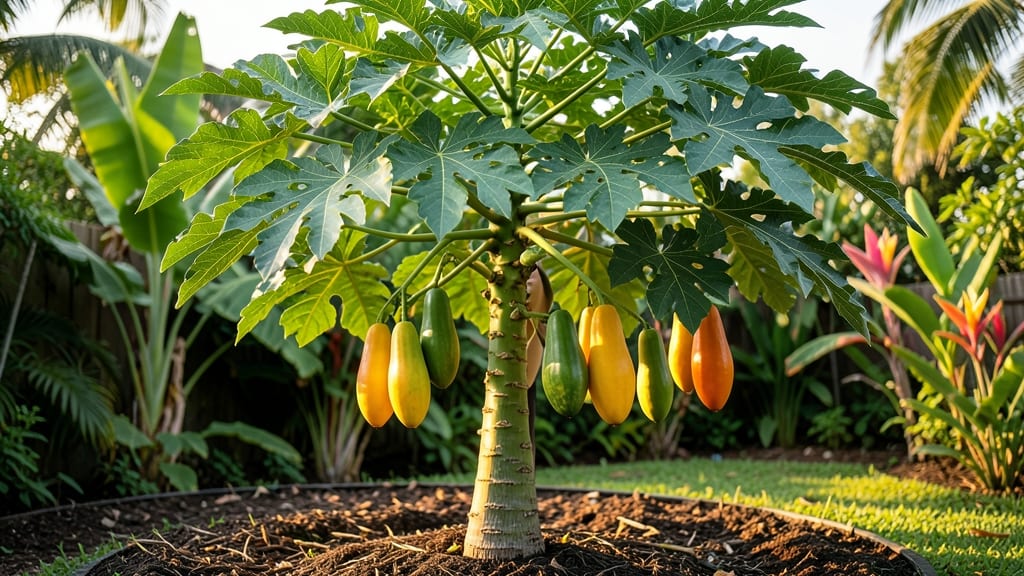
A papaya tree can grow between 10 and 30 feet tall under ideal tropical conditions 🌴, but its height depends heavily on where you live and how you care for it.
If you're dreaming of growing your own tropical papaya tree but wondering whether it’ll dwarf your backyard or thrive in a container, understanding its growth potential is key—especially since climate plays a massive role in its final height.
In General (Tropical/Subtropical) zones 10-12, these trees reach their full potential, while even with protection in Zone 9b, they’ll stay shorter. The good news? With the right pruning and container tricks, you can keep it manageable even in small spaces.
Below, I’ll break down the height ranges by climate, how to control its size, and whether dwarf varieties exist—so you can plan your 🍈 papaya tree’s future before planting.


Papaya tree height by climate Zone: tropical vs. temperate growth limits
If you're dreaming of growing your own tropical papaya tree, one of your first questions is likely how tall does papaya tree grow? The answer depends entirely on your climate zone.
In ideal tropical conditions, these trees can reach 20-30 feet, while in cooler temperate zones, they may max out at 5-10 feet. This dramatic difference comes down to sunlight, temperature, and growing season length.
Papaya trees (Carica papaya) are native to Central America but thrive in USDA zones 10-12 and can be grown in zones 9b-11 with winter protection. The tropical varieties like 'SunUp' or 'Red Maradol' grow aggressively, while subtropical types such as 'Solo' or 'Golden' stay more compact.
Even in temperate climates, with the right care, you can grow dwarf varieties or manage height through pruning.
Understanding these growth patterns helps you plan your garden layout. A 30-foot papaya in your backyard will need serious space, while a 6-foot container-grown tree could fit on your patio. Let's break down exactly how climate affects height and what you can do to control it.
| Climate Zone | Growth Conditions | Mature Height Range | Growth Rate (Annual) | Best Varieties |
|---|---|---|---|---|
| Tropical (Zones 10-12) | Year-round warmth, high humidity, 12+ hours sunlight | 20-30 feet | 3-5 feet per year | SunUp, Red Maradol, Kapoho Solo |
| Subtropical (Zones 9b-11) | Mild winters, 8-10 hours sunlight, occasional frost risk | 10-15 feet | 2-3 feet per year | Golden, Tainung #2, Waiahole |
| Temperate (Zones 8-9b) | Cooler winters, 6+ hours sunlight, needs winter protection | 5-10 feet | 1-2 feet per year | Solo (container-grown), dwarf hybrids |
| Container Growth (Any Zone) | Large pots (20+ gallons), full sun, regular pruning | 3-6 feet | 1-2 feet per year | Solo, Kapoho Solo (pruned) |
In tropical climates, papaya trees grow rapidly—expect 3-5 feet of new growth annually. The SunUp variety, for example, can reach 20 feet in just 2 years with proper care. These trees develop a single trunk with large, lobed leaves that create a stunning tropical canopy.
The fruit production also accelerates, with trees bearing 100+ pounds of papayas per year under ideal conditions.
Subtropical zones like Florida or Southern California see slower growth due to cooler winters. Here, papayas typically reach 10-15 feet but may take 3-4 years to mature. Varieties like Kapoho Solo are popular because they handle slightly cooler temperatures better than tropical types.
In these areas, you'll need to protect young trees from frost and provide winter mulch to encourage consistent growth.
Temperate climates present the biggest challenge for papaya trees. Without winter protection, they may only reach 5-10 feet and produce far fewer fruits. However, with container growing and seasonal overwintering, you can successfully grow papayas even in Zone 8.
The key is choosing compact varieties and providing full sun year-round, even if it means moving pots indoors during winter.
For gardeners with limited space, dwarf papaya trees are a game-changer. While true dwarf varieties don't exist, you can prune aggressively or choose slow-growing types like Solo to keep heights under 6 feet.
Container growing is ideal here—use pots at least 20 gallons with drainage holes and a well-draining soil mix. Place them in full sun and fertilize monthly during growing season to encourage compact growth.
One common misconception is that papaya trees will always grow to their maximum height. In reality, pruning and training can significantly reduce size. For example, if you pinch back the main stem early, the tree will develop a bushier shape with multiple trunks, staying shorter overall.
This technique is especially useful for container-grown trees, where space is limited. Just be mindful that heavy pruning can delay fruiting
How to control papaya tree height: pruning, grafting, and container growing tips
If your papaya tree is reaching for the sky faster than you expected, don’t panic—there are proven ways to manage its height without sacrificing fruit production.
Pruning, grafting, and container growing are your best tools to keep this tropical beauty in check, whether you're working with 10-foot ceilings or a cozy patio. The key is timing and technique, so let’s dive into what works best for your space.
Pruning is the most straightforward method to control papaya tree height, but it requires precision. You’ll want to focus on removing suckers and excess branches while preserving the main trunk and fruit-bearing branches.
The best time to prune is during the dormant season or right after harvesting, as this minimizes stress on the tree. Just be sure to use sterilized pruning shears to prevent disease spread.
- 🌴 Tropical climates: 20–30 ft tall (uncontrolled)
- 🌡️ Subtropical zones: 10–15 ft tall (moderate pruning)
- ❄️ Temperate zones: 5–10 ft tall (container or heavy pruning)
- 🪴 Dwarf varieties: 3–6 ft tall (rare, grafted types)
- ⏳ Growth rate: 3–5 ft per year (fast-growing)
For those with limited space, grafting is a game-changer. By grafting a dwarfing rootstock (like certain citrus or papaya rootstocks), you can keep your tree under 6 feet tall while maintaining healthy fruit production.
This method is more advanced but yields predictable results. Start by selecting a healthy sapling and a compatible rootstock, then follow standard grafting techniques for best outcomes.
Container growing is another fantastic option for controlling papaya tree height, especially if you live in cooler climates. Choose a large container (at least 24 inches wide and deep) with drainage holes to prevent root bound issues.
Papaya trees thrive in well-draining soil mixed with compost, and you’ll need to repot every 2–3 years to accommodate growth. Place your container in a sunny spot and rotate it occasionally for even growth.
Sunlight is non-negotiable when managing papaya tree height. These trees need 6+ hours of direct sun daily to stay compact and productive. If your tree starts stretching toward the light (a sign of etiolation), move it to a sunnier spot or supplement with grow lights.
Avoid placing it near large trees or buildings that cast shade, as this can lead to leggy, weak growth and reduced fruit yield.
Regular maintenance is the secret to keeping your papaya tree at your desired height. Combine pruning, grafting, and container growing with proper sunlight exposure, and you’ll enjoy a manageable-sized tree that still produces abundant, delicious fruit.
With these techniques, even a 30-foot giant can become a 6-foot patio star—all it takes is a little planning and care. 🌿