
Propagation
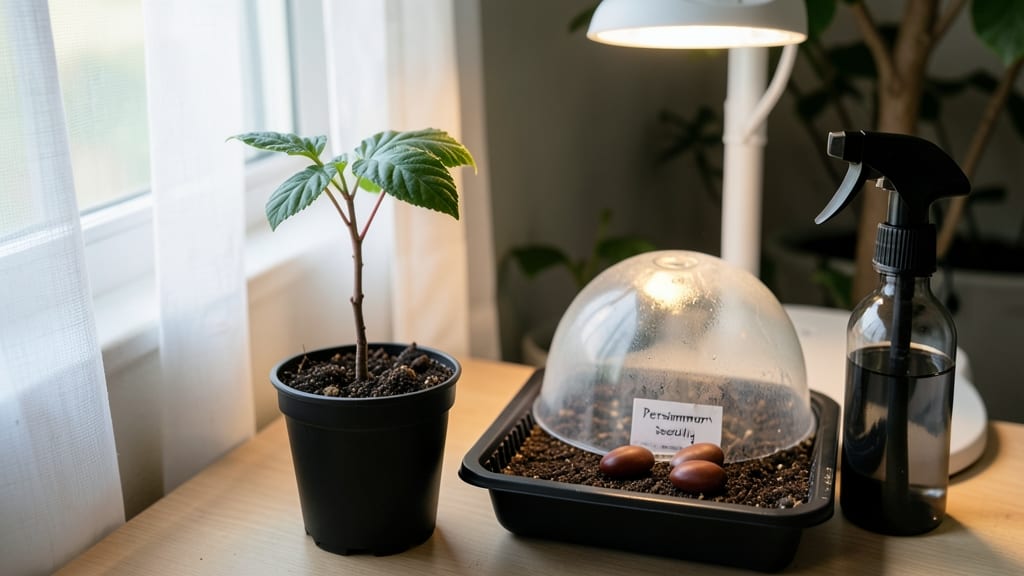
Starting a persimmon tree from seed is a 10-year gamble that pays off with fruit so sweet it tastes like autumn sunshine. 🌳 I’ve watched my own seedlings go from a speck of hope to a sturdy sapling—only to realize the real magic happens when those first fuzzy fruits appear, years later.
The process isn’t fast, but the reward makes every step worth it, even if your tree turns out different from the grocery store variety.
First, you’ll need fresh seeds from a ripe persimmon—no shortcuts here. Plant them just below the soil surface in well-draining potting mix, keep them warm (around 70°F), and be ready for a wait: germination can take 30-90 days, or even longer.
Most seeds won’t sprout at all, so start with plenty. Once they break through, treat them like delicate glass—too much water or cold snaps will stunt their growth before they even get started.
By year three, you’ll have a small tree with real leaves, but don’t expect fruit for at least 5-7 years. That’s right—this isn’t a quick project. The good news? Persimmons grown from seed are hardier than nursery trees, often thriving in tougher climates.
Just give them space (they’ll grow 20-30 feet tall) and protect them from late frosts, which can damage young branches.
Here’s the thing about persimmons: they’re unpredictable. Your seedling might produce astringent (bitter) fruit first, or it could skip a year entirely. But when that first sweet, orange harvest arrives, you’ll understand why the wait was worth it.
Patience isn’t just a virtue—it’s the secret ingredient in growing a persimmon tree from seed.
Germination Challenges Explained
Starting a persimmon tree from seed can be a rewarding but frustrating journey—especially when those seeds refuse to sprout as eagerly as you’d hope. Understanding why germination stalls or fails is half the battle.
Below, we break down the most common culprits, backed by science, so you can troubleshoot like a pro.
Persimmon seeds are often wrapped in a natural dormancy, a survival mechanism that prevents them from sprouting in unfavorable conditions. This happens due to two key factors:
- Hard Seed Coat: The outer shell is tough and impermeable, blocking water and oxygen from reaching the embryo. Without these, the seed stays in a state of suspended animation—sometimes for years. Think of it like a tiny, waterproof capsule waiting for the right moment. 💡 Pro Tip: Scratching the seed coat with sandpaper or nicking it with a knife can mimic natural wear and tear, tricking it into germinating sooner.
- Chemical Inhibitors: Some persimmon seeds produce compounds that suppress germination until conditions improve. These inhibitors break down over time or with exposure to light, moisture, or temperature fluctuations. ⏳ Actionable Fix: Soak seeds in warm water for 24–48 hours before planting. This can leach out inhibitors and soften the coat, giving the seed a head start.
Persimmon seeds are temperature-sensitive, and if your growing conditions don’t match their preferences, they’ll stay stubbornly dormant. Here’s the science:
| Issue | Why It Happens | Solution |
|---|---|---|
| Too Cold (Below 60°F/15°C) | Persimmon seeds need warmth to activate enzymes that break down stored nutrients. Below this threshold, metabolic processes slow to a crawl, and the seed essentially freezes in place. | Use a seedling heat mat (70–80°F/21–27°C) or place pots near a sunny window. Bottom heat is especially effective. |
| Too Hot (Above 90°F/32°C) | Extreme heat can denature enzymes, scrambling the seed’s internal chemistry. It may even cook the embryo alive if moisture is present. | Avoid direct sunlight until sprouts emerge. Use a grow light or indirect light to maintain steady warmth. |
| Inconsistent Temps | Seeds need stable warmth. Fluctuations (like moving pots between cold and warm spots) confuse the seed’s internal clock, delaying germination. | Keep seeds in a consistent environment—like a seedling heat mat under a humidity dome—until sprouts appear. |
Water is the seed’s lifeline, but too little or too much can both spell disaster. Here’s how moisture messes with germination:
- Underwatering: Seeds need constant moisture to hydrate and kickstart metabolic activity. If the soil dries out, the seed’s outer layers harden again, trapping it in dormancy. 🔥 Fix: Keep the growing medium damp but not waterlogged. Mist seeds daily or use a spray bottle to maintain humidity.
- Overwatering: Excess moisture robs seeds of oxygen, leading to anaerobic conditions (like a suffocating blanket). This causes the seed to rot before it can sprout. ⚠️ Warning: Avoid soggy soil—drainage is critical. Use a mix of perlite or sand to improve aeration.
- Improper Soil Contact: Seeds need direct contact with moist soil to absorb water evenly. If planted too deep or in dry soil, they’ll struggle to hydrate properly. 🌱 Rule of Thumb: Plant seeds twice as deep as their width (usually ½ inch) in well-moistened soil.
Sometimes, the problem isn’t the seed—it’s the invisible invaders attacking it. Persimmon seeds are vulnerable to:
- Fungal Infections: Excess moisture creates the perfect breeding ground for Pythium or Rhizoctonia, fungi that rot seeds before they sprout. 🍄 Prevention: Sterilize soil with a baking soda solution (1 tsp baking soda per cup of water) or use a fungicide like mycorrhizal inoculant.
- Mold Growth: White, fuzzy mold on soil isn’t just unsightly—it’s a red flag. Mold competes with seeds for nutrients and can release toxins. 🧼 Clean Fix: Discard contaminated soil and repot seeds in fresh, sterile potting mix.
- Rodent or Insect Damage: Mice, ants, or beetles may nibble on seeds, mistaking them for food. 🐭 Defense: Store seeds in a sealed container with diatomaceous earth or use a fine mesh tray to deter pests.
Now that you know the why behind germination struggles, you’re one step closer to success. The key is patience and precision—persimmon seeds don’t rush, but with the right conditions, they’ll reward you with strong, healthy sprouts ready to grow into mighty trees. 🌱✨
Quick Fixes for Common Growing Hurdles
Growing a persimmon tree from seed is a rewarding journey, but like any gardening adventure, you’ll likely encounter a few roadblocks along the way. Below, we’ve mapped out the most common challenges and practical, step-by-step solutions—plus prevention tips to keep your seedling thriving. Let’s turn those "uh-ohs" into "ah-has!"
---
Why it happens: Persimmon seeds have a thick, hard coat that resists water absorption, or they may need stratification (a cold period) to break dormancy.
How to fix it: 1. 🔥 Scarify the Seeds (Speed Up Germination) - Rub the seeds gently with sandpaper or nick the outer shell with a knife to weaken the hard coating. No need to go deep—just rough up the surface! - Soak them in warm water for 24–48 hours to soften further.
2. 🌡️ Stratify for Success (Cold Therapy Trick) - Place the seeds in a damp paper towel or peat moss, then refrigerate for 4–8 weeks (mimicking winter). Check weekly to keep them moist. - After stratification, plant them ½-inch deep in a well-draining seed-starting mix.
3. 🏡 Provide Ideal Conditions - Keep the soil warm (70–80°F) and consistently moist (not soggy). Use a heat mat if your home runs cool. - Place the pot in a bright, indirect light spot (no direct sun yet). A sunny windowsill or grow light works.
💡 Prevention Tip: - Test seeds freshness—if they’re older than a year, germination rates drop. Use seeds from ripe, healthy fruit for best results.
---
Why it happens: Too little light or overcrowding causes seedlings to stretch thinly toward light, making them weak and prone to snapping.
How to fix it: 1. ☀️ Move to Brighter Light ASAP - If using a windowsill, rotate the pot daily so all sides get even light. South-facing windows are ideal. - Upgrade to a grow light (LED or fluorescent) if natural light is insufficient. Keep it 2–4 inches above seedlings for 12–14 hours/day.
2. 🌿 Thin Out Crowded Seedlings - If multiple sprouts emerge, keep the healthiest one (straight, sturdy stem) and snip the others at the base with clean scissors. - Space remaining seedlings 2–3 inches apart to avoid competition for nutrients.
3. 💧 Adjust Watering Habits - Let the top ½-inch of soil dry between waterings. Overwatering leads to root rot, which weakens seedlings. - Use a spray bottle for gentle watering to avoid disturbing delicate stems.
🎯 Prevention Tip: - Start with individual pots from the beginning to avoid transplant shock later. Use 2–3 inch pots for the first 4–6 weeks.
---
Why it happens: Persimmon seedlings are sensitive to moisture extremes. Yellowing can also signal fungal issues like damping off (a common seedling killer).
How to fix it: 1. 💧 Check Soil Moisture Like a Pro - Underwatering? Press your finger into the soil—if it’s bone-dry, water thoroughly and place the pot in a saucer of water for 10 minutes. - Overwatering? Stop watering immediately and let the soil dry out. If roots smell rotten, repot in fresh, sterile mix.
2. 🧼 Treat Fungal Issues Fast - Spritz leaves with a 1:10 hydrogen peroxide solution (3% peroxide + water) to kill fungus. Repeat every 3–4 days until leaves recover. - Avoid wetting leaves when watering—direct soil moisture only.
3. 🌿 Boost Airflow - Place a small fan on low setting near seedlings (but not blowing directly) to improve circulation and prevent humidity-related diseases.
✨ Prevention Tip: - Sterilize tools and pots with rubbing alcohol before use. Fungal spores lurk everywhere!
---
Why it happens: Poor soil quality, lack of nutrients, or transplant shock can halt growth.
How to fix it: 1. 🌱 Upgrade the Soil - Mix in compost or worm castings (10–20%) to enrich the soil with organic matter. Persimmons love well-draining, slightly acidic soil (pH 5.5–6.5). - If using potting mix, add perlite or sand (20%) to improve drainage.
2. 🍽️ Fertilize Lightly - Wait until the seedling has 4–6 true leaves before fertilizing. - Use a balanced, water-soluble fertilizer (e.g., 10-10-10) at ¼ strength every 4–6 weeks. Over-fertilizing burns tender roots!
3. 🏡 Transplant Carefully - When moving to a larger pot or outdoors, water the seedling 1–2 days before to reduce shock. - Bury the stem deeper than before (up to the first set of leaves) to encourage stronger root growth.
💡 Prevention Tip: - Hardening off is key! Acclimate seedlings to outdoor conditions over 1–2 weeks before permanent planting. Start with 2–3 hours of shade, then gradually increase sun exposure.
--- Why it happens: Young seedlings attract pests, especially in humid or crowded conditions.
How to fix it: 1. 🐞 Inspect & Remove Pests Manually - Aphids: Spray off with a soapy water solution (1 tsp mild soap + 1 quart water). Repeat daily until gone. - Spider mites: Wipe leaves with a damp cloth and increase humidity (they hate moisture).
2. 🌿 Use Natural Repellents - Neem oil spray (1 tsp neem oil + 1 quart water + drop of dish soap) deters pests and is safe for seedlings. Apply every 5–7 days. - Introduce beneficial insects like ladybugs or lacewings to eat aphids naturally.
3. 🌳 Isolate Infested Plants - Move affected seedlings away from healthy ones to prevent spread. Check undersides of leaves daily.
🎯 Prevention Tip: - Encourage biodiversity in your garden! Planting marigolds or basil nearby repels pests naturally.
--- Most persimmon growing hiccups are easy to fix with a little attention.
Remember: - Patience is key—persimmon trees grow slowly but reward you with decades of fruit. - Document progress with photos to track growth and spot issues early. - Learn from each challenge—every "problem" is a chance to refine your green thumb!
With these solutions, your persimmon seedling will be strong, healthy, and on its way to becoming a fruit-bearing tree in no time. 🌱🍉✨
Frequently asked questions about growing persimmon trees from seed
How do I know if my persimmon seeds are viable?
Fresh seeds from fully ripe persimmons (when they’re soft and give slightly when pressed) have the best chance of germinating. Test viability by placing 5-10 seeds in a damp paper towel and sealing them in a plastic bag. Keep them at 70°F for 2 weeks—if none sprout, your seeds may be too old. Most viable seeds will show signs of sprouting within 30-90 days.
Can I grow a persimmon tree from store-bought fruit?
Yes, but with limitations. Store-bought persimmons are often treated to prevent ripening, so their seeds may not germinate well. For best results, use seeds from fresh, locally grown persimmons (especially those from your own tree or farmers' markets). The fruit should be fully ripe and slightly mushy when you extract the seeds.
How long does it take for a persimmon seedling to produce fruit?
Be patient—it’s a 10-year journey! Most seed-grown persimmons take 5-7 years to bear fruit, though some may take even longer. The first fruits will likely be small and possibly astringent (bitter), but with proper care, your tree can produce sweet, edible persimmons for decades.
What's the best way to transplant my persimmon seedling outdoors?
Wait until all danger of frost has passed and your seedling has 4-6 true leaves. Harden it off by gradually exposing it to outdoor conditions over 1-2 weeks. Choose a sunny location with well-draining soil, and plant at the same depth as its container. Water thoroughly after transplanting and mulch to retain moisture.
Will my seed-grown persimmon tree match the parent fruit?
Probably not! Seed-grown trees often produce different varieties than their parents due to genetic variation. You might get a tree with larger fruit, different sweetness levels, or even astringent varieties. For consistent results, grafted trees are better, but seed-growing offers exciting surprises and hardier trees adapted to your local climate.