
Pests
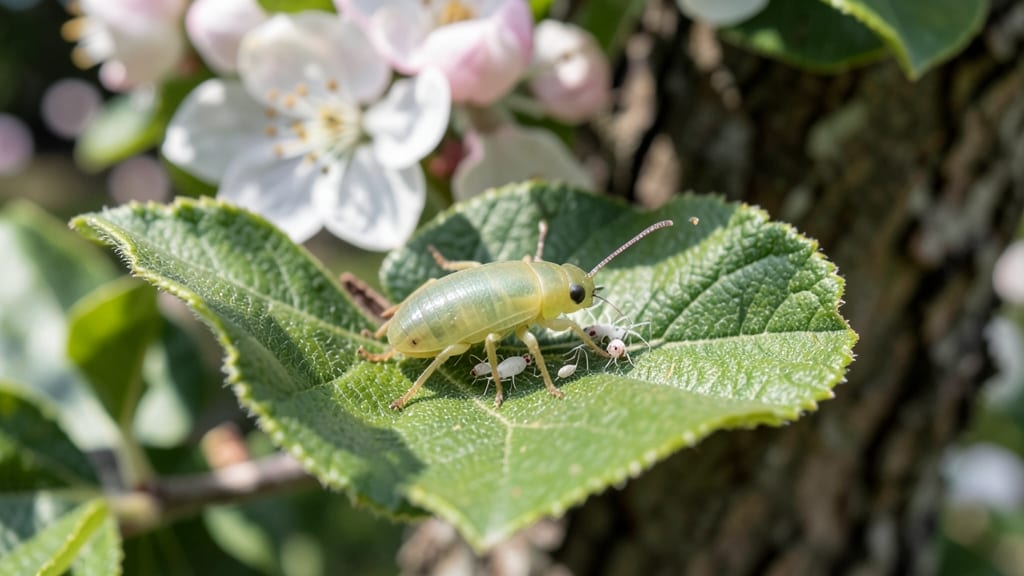
When insects on apple tree leaves turn your harvest hopes into a chewed-up mess, don’t panic—there’s a fast, organic fix waiting. 🌿 I’ve battled aphids, mites, and caterpillars on my own trees, and these natural sprays stop the damage without harming bees or your soil. The key?
Acting early before the pests multiply into an all-out war. Most infestations start small—tiny specks on leaves, sticky residue, or holes that appear overnight. Aphids cluster on new growth, mites leave silvery trails, and caterpillars skeletonize foliage.
My go-to spray (neem oil + water + a drop of dish soap) works in 24-48 hours if you catch it before the pests spread. No harsh chemicals, just plant-safe ingredients that disrupt their life cycle.
By the time you see the first signs, you’ll already have a plan: spray at dawn or dusk, repeat every 5-7 days, and add beneficial insects like ladybugs to keep the population in check. Your tree won’t just survive—it’ll bounce back stronger than before, with fewer future attacks.
This method works for all common apple tree pests, from tiny mites to ravenous caterpillars. The secret? Consistency. A little prevention now means zero stress during harvest season.
Root Causes of Leaf Invaders
Apple trees are a magnet for insects—not because they’re lazy, but because they’re packed with nutrients, moisture, and shelter. When you spot tiny critters munching on leaves, it’s usually a mix of environmental factors, tree health, and the insects’ natural life cycles.
Understanding these triggers helps you tackle the problem at its source. Let’s break down the why behind these uninvited leaf guests.
Healthy trees repel pests naturally, but stress weakens their armor. When apple trees are nutritionally deficient, underwatered, or overcrowded, they become prime targets for insects like aphids, mites, and leafhoppers. Here’s how it happens:
- Nutrient Deficiencies:
Lack of nitrogen, potassium, or micronutrients (like zinc or iron) stunts growth and reduces the tree’s ability to produce bitter-tasting compounds that deter pests. Aphids, for example, thrive on tender, nutrient-rich new growth.
- Water Stress:
Drought or overwatering disrupts the tree’s cellular structure, making leaves softer and more palatable. Spider mites love dry conditions, while scale insects prefer sap oozing from stressed bark.
- Physical Damage:
Broken branches, sunburn, or hail scars create entry points for borers and wood-boring beetles. Even pruning wounds, if not sealed properly, can attract pests.
💡 Pro Tip: Conduct a soil test every 2–3 years to check nutrient levels. Mulch with compost and water deeply (1–2 inches per week) to keep roots healthy and resilient.
Insects don’t randomly attack apple trees—they’re drawn to environments that mimic their natural ecosystems. Your orchard might be an all-you-can-eat buffet if it checks these boxes:
| Factor | How It Attracts Pests | Common Culprits |
|---|---|---|
| Warm, Humid Microclimates | Moisture-loving insects thrive in shaded, damp areas under dense canopies. | Apple maggots, woolly aphids |
| Overgrown Grass/Weeds | Ground cover provides shelter for overwintering pests and their predators. | Codling moths, Japanese beetles |
| Monoculture Plantings | Large blocks of apple trees offer endless food sources for specialized pests. | San Jose scale, leafrollers |
| Nearby Wild Hosts | Weeds like wild cherry or blackberry can harbor pest populations that spill over. | Apple curculio, spotted lanternflies |
🌡️ Actionable Fix: Prune trees for airflow, mow grass within the drip line, and interplant with pest-repelling companions like garlic, marigolds, or chives.
Many apple tree pests have life cycles perfectly timed to exploit the tree’s vulnerable stages. For example:
- Early Spring:
As buds swell, aphids and mites emerge to feed on tender new leaves. Cool, wet springs accelerate their reproduction.
- Bloom Time:
Pollinators aren’t the only ones visiting flowers—codling moths lay eggs in petals, and leafhoppers feed on sap. Overhead irrigation during bloom can spread eggs and diseases.
- Summer Fruit Development:
Pests like apple maggots and plum curculios target maturing fruit, while tent caterpillars skeletonize leaves to access sap.
- Fall/Winter:
Adult beetles, eggs, or larvae overwinter in bark crevices, leaf litter, or soil. Scale insects secrete waxy coatings to survive cold snaps.
⏰ Strategic Timing: Monitor your tree’s growth stages (using a phenology calendar) to apply natural sprays before pests peak. For instance, spray neem oil at bud swell to deter early-season aphids.
By addressing these root causes—tree health, environmental conditions, and pest life cycles—you’ll disrupt the cycle that keeps insects feasting on your apple tree leaves. Next, we’ll explore natural spray solutions tailored to these triggers.
Natural Ways to Tame Apple Tree Pests
If you’ve spotted insects munching away on your apple tree leaves, don’t panic—there are effective, eco-friendly solutions to restore your tree’s health without harsh chemicals. Below, we’ll break down targeted fixes for common culprits, from aphids to mites, along with prevention tips to keep your tree thriving.
---
Signs: Sticky residue (honeydew), curled leaves, clusters of tiny green/black bugs.
How to Fix It: 🔥 Blast Them Off – Use a strong spray of water (from a hose nozzle) to dislodge aphids. Repeat every 3–4 days until gone. 🍳 Homemade Soap Spray – Mix 1 tsp mild liquid soap + 1 quart water in a spray bottle. Test on a few leaves first to avoid damage. 👨🍳 Neem Oil Treatment – Combine 1 tbsp neem oil + 1 tsp castile soap + 1 quart water. Spray early morning or evening (avoid direct sun) for 7–10 days. ✨ Encourage Predators – Ladybugs and lacewings love aphids—plant marigolds nearby to attract them.
Prevent Future Infestations: 💡 Prune regularly to improve airflow (aphids thrive in dense foliage). 🌡️ Avoid over-fertilizing—too much nitrogen attracts pests.
---
Signs: Fine webbing, yellow stippling on leaves, slow growth.
How to Fix It: 🔥 Wipe Leaves Clean – Use a damp cloth to remove webbing and mites manually (best for small trees). 🍳 Diatomaceous Earth – Sprinkle food-grade DE on leaves (reapply after rain). Caution: Avoid windy days—it can drift. 👨🍳 Oil Spray (Horticultural or Mineral Oil) – Mix 2 tbsp oil + 1 tsp soap + 1 gallon water. Spray evenly, covering undersides. ⏰ Rotate Treatments – Mites develop resistance; alternate between neem oil and insecticidal soap weekly.
Prevent Future Infestations: 🎯 Water deeply but less often—mites love dry conditions. 🌿 Mulch around the base to retain moisture and deter mites.
---
Signs: Chewed leaves, rolled-up foliage, frass (tiny droppings).
How to Fix It: 🔥 Handpick Larvae – Wear gloves and drop them in soapy water (especially effective for small infestations). 🍳 Bacillus Thuringiensis (Bt) – A natural bacteria (sold as powder or spray) that kills caterpillars without harming bees. 👨🍳 Garlic & Chili Pepper Spray – Blend 4 garlic cloves + 1 tbsp cayenne + 1 quart water. Strain and spray directly on larvae. 🔪 Pheromone Traps – For codling moths, use traps with female pheromones to disrupt mating.
Prevent Future Infestations: 💡 Remove fallen leaves (where larvae overwinter). 🌡️ Install netting before blooming season to block egg-laying.
---
Signs: White cottony masses, sticky sap, stunted growth.
How to Fix It: 🔥 Scrape Off Infestations – Use a soft brush or cloth dipped in rubbing alcohol (70% isopropyl) to wipe off scales. 🍳 Alcohol Spray – Mix 1 part rubbing alcohol + 3 parts water in a spray bottle. Apply directly to pests (avoid healthy leaves). 👨🍳 Hydrogen Peroxide (3%) – Spray undiluted on affected areas (test first—can bleach leaves). 🌿 Beneficial Insects – Release parasitic wasps (like Aphytis melinus) to target scales naturally.
Prevent Future Infestations: 🎯 Inspect new plants before bringing them near your apple tree. ✨ Keep the tree healthy—stressed trees attract more pests.
--- - 📊 Balance nutrients – Test soil and fertilize only when needed (overfeeding weakens trees). - 💪 Prune in late winter – Remove dead wood and encourage airflow. - 🍎 Harvest promptly – Don’t leave fallen apples; they attract pests. - 🌿 Plant companion flowers – Marigolds, lavender, and basil repel many insects.
--- Final Thought: Most insect issues on apple trees can be managed naturally with consistency. Start with one treatment, monitor progress, and adjust as needed. Your tree will thank you with healthier leaves and sweeter apples! 🍏🌿
Frequently asked questions
What are the first signs that my apple tree has insects on the leaves?
Look for tiny specks, holes, or webbing between leaves—aphids leave sticky residue while mites create silvery trails. Early signs also include curled leaves, yellowing patches, or tiny black droppings (frass) from caterpillars. Check both leaf surfaces and new growth first.
Can I use vinegar spray to kill insects on apple tree leaves?
White vinegar (1:1 ratio with water) can help, but it’s not the most effective solution. The acidity kills soft-bodied pests like aphids on contact, but it may damage leaves over time. For better results, use neem oil or insecticidal soap instead—they’re gentler on the tree while still targeting pests.
How often should I spray my apple tree to prevent insects?
Apply natural sprays like neem oil every 5-7 days during active growing seasons (spring to fall). For severe infestations, spray twice weekly until pests disappear. Always apply in the early morning or evening to avoid harming bees and let the solution dry before rain.
Are there any insects on apple tree leaves that are actually helpful?
Ladybugs, lacewings, and parasitic wasps are natural predators that eat harmful pests like aphids and mites. Planting marigolds or dill near your tree attracts these beneficial insects. Avoid pesticides that might harm them—your tree’s defense system will thank you!
What should I do if my apple tree leaves are already heavily damaged?
Don’t panic—prune away the worst-affected leaves and focus on treating the remaining pests. Apply a strong neem oil solution and encourage beneficial insects. For next year, improve tree health with proper watering, mulching, and balanced fertilization to help it recover faster.