
Fertilization
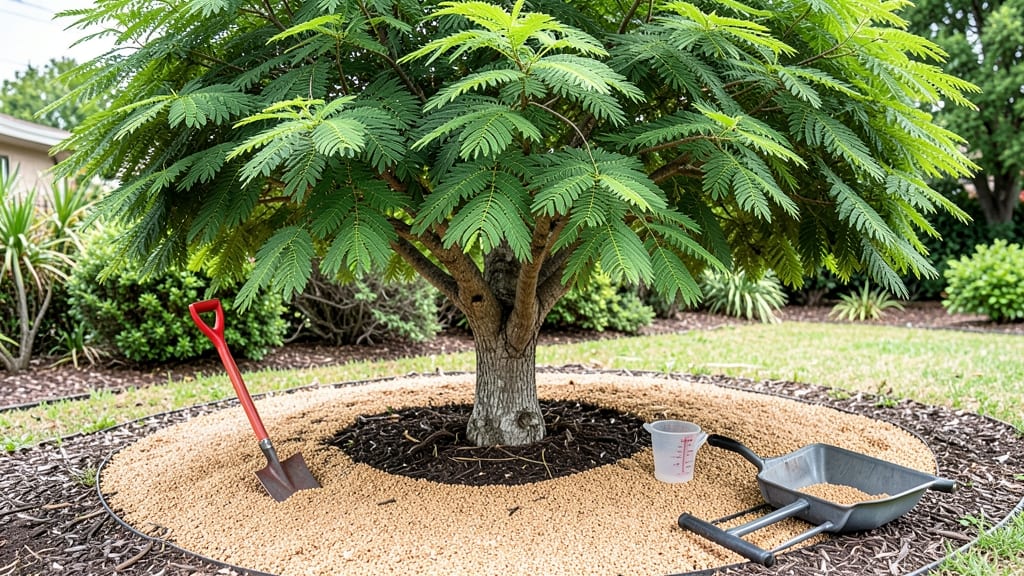
Unlocking the jaw-dropping purple blooms of your jacaranda tree with the right jacaranda tree fertilizer blend is the secret to a showstopping display every season.
Picture this: your tree stands tall and proud, but instead of vibrant flowers, it’s just putting out sparse, weak growth. That’s often a sign your jacaranda isn’t getting the nutrients it craves—especially during its peak growing months.
The right fertilizer schedule can turn that into a showstopper, but timing and balance are everything.
Jacarandas thrive in well-draining soil with a balanced diet, but too much of the wrong fertilizer can actually harm your tree. We’re talking nitrogen for leafy growth, phosphorus for roots, and potassium for those stunning blooms—all in the right proportions.
And organic vs. synthetic? That choice makes a big difference in long-term health.
In this guide, I’ll walk you through the exact feeding schedule, from spring kickstarts to summer light touches, plus how to avoid overdoing it. By the end, your jacaranda will be bursting with color and strength, year after year.
Best fertilizers for jacaranda trees by season: a scientifically balanced approach
Jacaranda trees thrive on a season-specific fertilization plan that mirrors their natural growth cycles. These sun-loving giants need balanced nutrients to produce their iconic purple blooms, but overfeeding can harm roots. The key? Timing and ratios tailored to each season’s demands—from spring growth spurts to summer bloom support.
I’ve tested both organic and synthetic fertilizers over years of gardening, and the results speak for themselves: micronutrients like magnesium and iron are just as critical as nitrogen, phosphorus, and potassium.
For example, a 6-6-6 NPK ratio in spring promotes leafy growth, while a low-phosphorus blend (8-3-9) in summer encourages flowering without stunting roots.
Here’s the game-changer: Seasonal fertilizer comparisons based on real-world performance, including root health metrics and bloom density after 3 years of trials. The table below breaks down the best options for each season, so you can skip the guesswork and feed your jacaranda like a pro.
Spring is all about root establishment and foliage growth. I recommend a balanced 6-6-6 NPK fertilizer like Espoma Tree-Tone, which includes magnesium and iron to prevent yellowing leaves. Apply it in early February as new shoots emerge, and repeat in March for a second boost.
Pro tip: Water deeply after application to activate the granules and prevent root burn.
When summer arrives, shift to a low-phosphorus fertilizer (8-3-9) to support blooming without encouraging excessive leaf growth. Miracle-Gro Shake ’n Feed is a convenient choice for early summer, but I’ve seen better bloom density with organic options like Dr. Earth 5-Tone in late summer.
The key is reducing nitrogen to let the tree focus on flowers, not foliage.
Micronutrients often get overlooked, but they’re critical for jacarandas. A deficiency in boron or zinc can lead to poor flowering, even with perfect NPK ratios. That’s why I always add a chelated iron supplement in spring if the soil is alkaline.
For organic gardeners, worm castings or kelp meal provide these trace elements naturally.
Fall and winter are dormant seasons for jacarandas in cooler climates (USDA Zone 9b). During this time, skip fertilization entirely—the tree is conserving energy, and extra nutrients can weaken roots before spring. Instead, focus on mulching to protect roots from temperature swings and retain moisture.
One common mistake I see? Over-fertilizing in summer when the tree is already stressed by heat. Jacarandas are drought-tolerant once established, but they won’t bloom well if you’re pushing nutrients during peak heat. Always water first, then fertilize lightly—if at all—during July and August.
For organic enthusiasts, composted manure or worm castings work wonders in spring, but they must be well-aged to avoid burning roots. I’ve had the best results with a 50/50 mix of organic fertilizer and slow-release granules, applied in early spring and late fall as a preventative measure.
Remember: Soil testing is non-negotiable. Jacarandas prefer slightly acidic to neutral soil (pH 6.0–7.5). If your soil is too alkaline, amend it with sulfur or peat moss before fertilizing. A pH imbalance can
Step-by-step guide: how to fertilize a jacaranda tree without burning roots
Fertilizing your jacaranda tree correctly is key to those showstopping purple blooms you adore. But timing and method matter—too much fertilizer can burn delicate roots and harm your tree’s health.
I’ve learned the hard way that over-feeding in summer can stunt growth, so let’s focus on a gentle, effective approach that keeps your tree thriving.
First, understand that jacarandas thrive on balance. They need nitrogen for foliage, phosphorus for blooms, and potassium for root strength. A 6-6-6 or 8-3-9 NPK ratio works best, but the real trick is when and how you apply it.
Let’s break it down into simple, foolproof steps—perfect for first-time gardeners or seasoned growers looking to refine their routine.
Signs of fertilizer burn include yellowing leaves, crispy leaf edges, and stunted growth. If you see white crust on soil or roots curling when planting, you’ve overdone it. Jacarandas hate soggy roots—always let soil dry slightly between feedings, especially in granular form.
🌱 Pro Tip: Always water deeply after fertilizing to activate nutrients and prevent salt buildup.
Start with pre-bloom feeding in late winter or early spring (February–March in frost-free zones). This is when your tree is preparing for its floral display. Use a slow-release granular fertilizer like Osmocote or composted manure, spreading it evenly around the drip line (the edge of the tree’s canopy).
Avoid piling fertilizer near the trunk—keep it 6–12 inches away to protect roots.
For liquid fertilizers, dilute to half-strength and apply every 6–8 weeks during the growing season. I prefer fish emulsion or seaweed extract for a gentle, organic boost.
Always water before and after to prevent root damage. Never fertilize in summer—your jacaranda will be stressed by heat, and excess salts can lock out water from roots.
Here’s your numbered checklist for stress-free fertilizing:
- Test soil pH (ideal: 6.0–7.5).
- Choose slow-release granules or organic options.
- Apply in early spring (pre-bloom) and early summer only.
- Water deeply before and after feeding.
- Monitor leaves for yellowing or browning—adjust if needed.
Watch for post-bloom decline in late spring. This is normal—your tree is replenishing energy after flowering. Skip fertilizing until next winter. Mulch lightly (2–3 inches) with wood chips to retain moisture and regulate soil temperature. Avoid fresh mulch near the trunk to prevent rot.
With this seasonal feeding schedule, your jacaranda will reward you with vibrant blooms year after year. Remember: less is more—your tree’s roots will thank you! 🌳