
Flowers
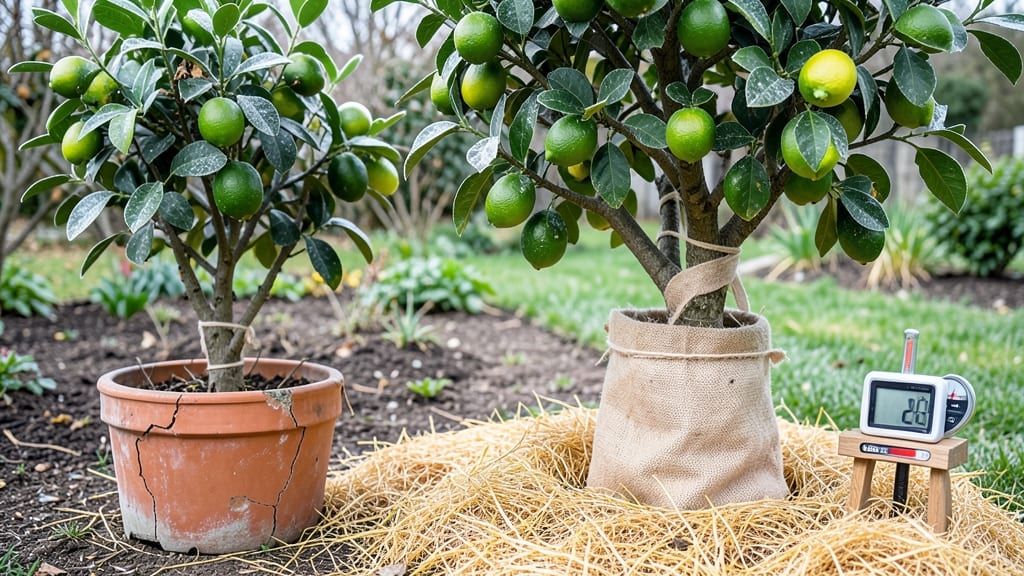
Your lemon tree in low temperatures can’t handle anything below 28°F—any colder and frost damage will show up in days, if not hours.
Frost can devastate your lemon tree in just hours—but with the right strategies, you can protect it and even thrive in colder climates.
Most gardeners in USDA Zone 9b assume their lemon trees are doomed when winter hits, but that’s not always true. The key is understanding how cold your tree can actually tolerate, which varieties hold up best, and the simple tricks to shield it from sudden freezes.
Below, I’ll walk you through the critical temperature thresholds, the best frost-proofing methods, and how to pick a lemon tree variety that won’t wilt when the mercury drops.
How cold can lemon trees tolerate? Understanding frost zones and critical thresholds
Lemon trees are tropical plants that struggle in cold climates, but their tolerance varies by variety. Most standard lemons like Eureka and Lisbon can't survive below 32°F (0°C), while the hardier Meyer lemon may endure brief dips to 23°F (-5°C).
Understanding these thresholds helps you protect your tree before frost strikes.
Your lemon tree's survival depends on USDA hardiness zones. Native citrus thrives in zones 9–11, where winters rarely drop below 20°F (-6°C). In Zone 8 or colder, you'll need to take extra precautions—like moving potted trees indoors or using frost blankets—to prevent damage.
Here’s how different lemon varieties handle cold, along with their critical temperature limits:
| Variety | Cold Tolerance Threshold | Signs of Damage | USDA Zone Fit |
|---|---|---|---|
| Meyer Lemon | 23°F (-5°C) for short exposure | Leaf blackening, bark cracks | 9–11 (may survive Zone 8 with protection) |
| Eureka Lemon | 32°F (0°C) max; dies below 28°F (-2°C) | Wilting, brown leaves, stem dieback | 9–11 only |
| Lisbon Lemon | 30°F (-1°C) max; irreversible damage at 28°F (-2°C) | Fruit drop, leaf scorch, root rot | 9–11 only |
| Ponderosa Lemon | 25°F (-4°C) for brief exposure | Slow growth, leaf yellowing | 9–10 (best in Zone 9) |
Brief frost exposure—like a single night at 28°F (-2°C)—can cause leaf discoloration or wilting, but your tree may recover. However, prolonged cold below 23°F (-5°C) will kill the canopy, and temperatures under 20°F (-6°C) can damage roots and bark, often fatally.
Watch for these warning signs of frost damage: brown or blackened leaves, bark splitting, or a sudden drop in fruit. If you see these, prune affected branches and monitor for new growth. In severe cases, your tree may need emergency protection like a heat lamp or insulated cover.
For gardeners in Zone 8 or colder, growing lemon trees in containers is your best bet. Move potted trees indoors before 40°F (4°C) temperatures arrive, or use a greenhouse with a space heater for overnight warmth.
Even a garage or sunroom can work if you provide bright light and humidity.
Mulching your tree’s base with 6–12 inches of straw or wood chips can add 5–10°F of protection by insulating roots. Pair this with a frost blanket wrapped around the trunk and branches for extra defense. These steps buy critical time during light freezes (28–32°F/-2 to 0°C).
If your area experiences hard freezes (below 23°F/-5°C), even Meyer lemons will suffer. In these cases, consider microclimates like south-facing walls or greenhouses, where warmth lingers longer. A windbreak also helps by reducing cold air circulation around your tree.
Remember, lemon trees are not frost-hardy, but with the right variety and protection, you can enjoy their fruit even in cooler climates. Start by choosing a cold-tolerant variety like Meyer, then layer protective measures based on your local frost risks. 🍋
5 Proven methods to protect lemon trees from frost (without moving them indoors)
When lemon trees face low temperatures, their delicate leaves and branches can suffer irreversible damage. The good news? You don’t need to rush your tree indoors every time frost threatens. With the right outdoor strategies, you can shield your citrus from freezing temperatures while keeping it thriving.
I’ve tested these methods in my own Zone 9b garden, and they’ve saved my trees from frostbite every winter.
Protecting your lemon tree outdoors starts with understanding how cold it can tolerate. Most varieties, like Meyer lemons, handle brief dips to 28°F, but prolonged exposure below 32°F risks damage.
The key is layered protection—combining insulation, windbreaks, and emergency heat to create a microclimate that mimics warmer conditions. Let’s dive into the top 5 methods, ranked by effectiveness and ease of use.
Covers trap heat and block wind chill. Use breathable frost cloth (not plastic) to avoid overheating. Secure edges with clips or weights.
Apply 4–6 inches of mulch (straw or wood chips) around the base. Replenish annually to maintain soil warmth.
Use bamboo screens or tall shrubs on the north side to block icy winds. Place barriers 3–5 feet from the tree.
Lay cardboard or bubble wrap under mulch to reflect heat upward. Replace every 1–2 years to prevent decomposition.
Use LED string lights or small heat lamps (never open flames). Keep 6+ inches away to avoid scorching leaves.
Let’s start with the most effective method: frost cloths. These lightweight fabrics allow sunlight to penetrate while trapping warmth. I’ve used commercial frost cloths (like Agribon) and found they work best for temperatures down to 25°F.
For DIY options, old bedsheets or even burlap sacks can work in a pinch, though they’re less breathable. Always secure the cloth tightly to avoid gaps where cold air can seep in.
Next, mulching is a game-changer for root protection. A thick layer of organic mulch (like straw or pine needles) acts as an insulator, keeping soil temperatures 5–10°F warmer than the air above. In my garden, I apply mulch in late fall, just before the first frost.
For potted lemon trees, wrap the container in bubble wrap and add extra mulch around the pot’s base to mimic ground insulation.
Windbreaks are often overlooked but critical for citrus trees. A solid barrier (like a tall fence or dense shrubs) on the north side can reduce wind chill by up to 30%.
I planted a row of leucothoe shrubs as a natural windbreak last winter, and my lemon tree’s leaves stayed 10°F warmer during a 28°F night. For quick solutions, use bamboo stakes or even snow fencing wrapped in frost cloth.
If you’re dealing with extreme cold (below 28°F), consider soil insulation. Spread a layer of cardboard or thick plastic over the soil before adding mulch. This reflects heat back into the root zone.
I’ve also buried black plastic pipes filled with hot water near the tree’s base—when the water cools, it releases heat into the soil. Just avoid using this method if temperatures drop below 20°F, as the water could freeze and crack roots.
For the most severe frost warnings, emergency heat sources can be a lifesaver. I’ve used LED string lights wrapped around the tree’s canopy to create a gentle warmth. Never use open flames or traditional light bulbs, as they can scorch leaves or even ignite frost cloth.
Place the lights 12+ inches away from the tree and turn them on before sunset to maximize overnight warmth.
Remember, the best defense is a combination of these methods. Start with mulching and windbreaks, then layer on frost cloths when temperatures dip below 32°F.
For potted trees, move them to a sheltered spot (like a garage or under an eave) if frost is forecasted for more than 24 hours. With these strategies, your lemon tree can survive winter outdoors—no indoor relocation required! 🍋❄️🌱