
Pruning
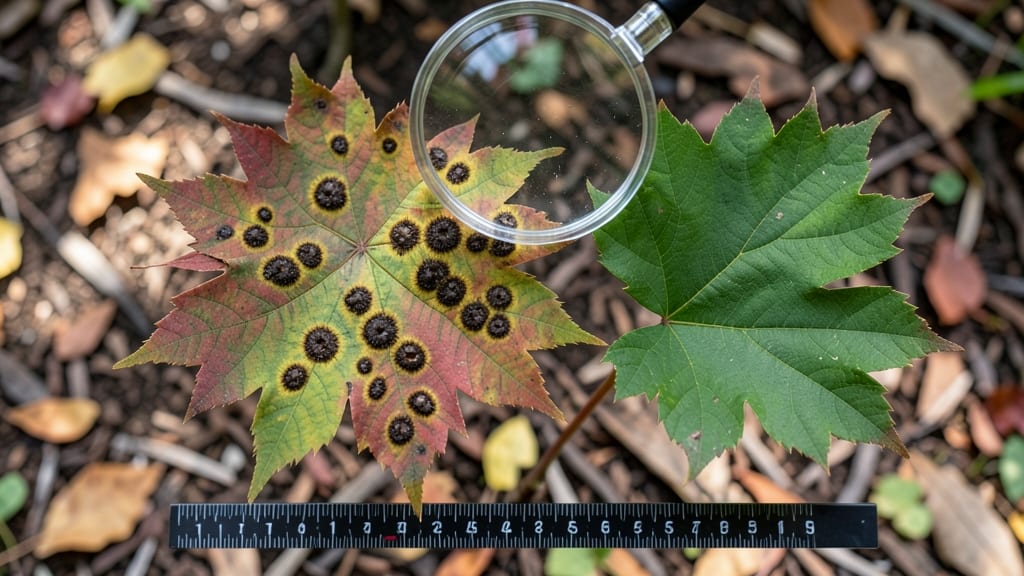
Those weird maple tree leaf bumps?
They’re called galls, and they’re not just ugly—they’re a sign your tree is under siege. 🌳 I’ve spent years watching these little blisters form on maples, and I’ll show you how to tell if they’re from aphids, mites, or even fungal infections like anthracnose. The good news?
Most can be managed naturally without harsh chemicals.
Galls come in all shapes—some look like tiny warts, others like swollen pockets on the leaf surface. Check their size (pea-sized or smaller) and location (top or underside of leaves) to narrow down the culprit.
Aphid galls are usually soft and green, while fungal galls might appear powdery or crusty. The key is acting fast before they spread.
Natural fixes start with a strong spray of water to knock off pests, followed by neem oil or insecticidal soap for stubborn infestations. For fungal galls, prune affected branches and sterilize your tools. With consistent care, your maple’s leaves will bounce back to smooth and healthy by next season.
If the bumps keep coming back or your tree looks stressed overall, it’s time to call an arborist. Some galls signal deeper issues, like nutrient deficiencies or disease. But in most cases, a little elbow grease and patience will restore your tree’s pride—and its leaves’ smoothness.
Root Causes Behind Leaf Bumps
Understanding why your maple tree leaves develop bumps—often called galls—starts with identifying the culprits behind these abnormal growths. These bumps aren’t just cosmetic; they’re a plant’s defensive response to stress or invasion.
Below, we break down the most common triggers, backed by science, so you can take action with confidence.
---
Maple trees are prime targets for sap-sucking insects like maple leaf gall mites (Eriophyes macrorhynchus) or maple gall aphids (Pachypsylla venusta). These microscopic pests inject saliva into leaf tissue, triggering abnormal cell growth as the tree attempts to isolate and expel the intruder.
- How it works: - The insect’s saliva contains growth-regulating chemicals that force plant cells to multiply uncontrollably. - The result? Raised, warty bumps (often along leaf veins) or rolled, curled edges—classic signs of gall formation. - Pro tip: 🔍 Check the undersides of leaves—you may spot tiny mites or aphids clustered near bumps.
- Actionable fix: - Prune and destroy heavily infested leaves (do not compost them!). - Apply neem oil (a natural insect repellent) or horticultural oil in early spring before pests emerge.
---
Extreme temperatures, drought, or poor soil health can weaken maple trees, making them more susceptible to gall formation—even without insects. Stress signals the tree to redirect energy toward survival, sometimes manifesting as irregular cell growth on leaves.
- Key triggers: - Heat stress: Prolonged high temperatures (especially in urban areas) can cause water stress, leading to blister-like bumps on leaves. - Cold damage: Sudden freezes or late spring frosts may trigger gall-like growths as the tree repairs damaged tissue. - Nutrient imbalances: Excess nitrogen or deficiencies in zinc/magnesium can distort leaf development, mimicking gall symptoms.
- Actionable fix: - Improve soil health: Test soil pH and amend with compost or chelated iron if deficiencies are detected. - Mulch properly: Use 3–4 inches of organic mulch to regulate soil temperature and retain moisture. - Water deeply during droughts (1–2 inches per week) to reduce stress.
---
While less common than insect galls, fungal or bacterial infections can also cause bumpy, discolored leaf growth. These pathogens exploit weak trees, often entering through wounds or stress points.
- Common offenders: - Anthracnose fungus (Apiognomonia veneta): Causes raised, dark spots that may ooze sap. - Bacterial leaf spot: Produces water-soaked bumps that turn brown and crusty.
- How to confirm: - Look for yellow halos around bumps (fungal) or slime trails (bacterial). - Scrape a bump: Fungal galls often reveal powdery spores; bacterial ones may smell foul.
- Actionable fix: - Remove and dispose of infected leaves (do not compost). - Apply copper fungicide (for bacterial issues) or baking soda spray (1 tbsp baking soda + 1 quart water + a drop of soap) for fungal control. - Prune for airflow: Thin canopy branches to reduce humidity, which fungi thrive in.
--- Not all bumps are bad! Some maple varieties (like Norway maple) naturally develop harmless, raised leaf veins or stipule galls—a quirk of their genetics. These are soft, green, and non-spreading, unlike insect galls.
- How to tell the difference: | Feature | Insect/Fungal Gall | Harmless Genetic Bump | |---------------------------|---------------------------------|----------------------------------| | Texture | Hard, woody, or crusty | Soft, flexible | | Spread | Often clusters or spreads | Isolated, consistent shape | | Color | Dark, discolored, or necrotic | Green, matching leaf color | - Actionable tip: 📸 Take photos and compare with online databases (like [UMass Amherst’s Tree Gall Guide](https://ag.umass.edu/landscape/factsheets/tree-galls)) for confirmation.
--- Key takeaway: Most leaf bumps on maples stem from insect activity or stress, but ruling out fungal/bacterial causes is critical. Start with visual inspection (undersides of leaves, bump texture) and targeted treatments—your maple’s health depends on acting early!
Fixing Leaf Bumps Naturally
Now that you know what’s causing those unsightly bumps on your maple leaves, let’s tackle them with easy, eco-friendly solutions tailored to each culprit. Whether it’s pests, disease, or environmental stress, these fixes will help your tree bounce back—without harsh chemicals.
---
If tiny insects like maple gall midges, aphids, or mites are to blame, act fast to stop the spread.
#### 🍳 Step 1: Prune Infested Branches - 🔪 Snip off heavily bumped leaves (especially clusters) with sterilized pruners (wipe with rubbing alcohol between cuts). - 🌳 Focus on new growth—these areas are most vulnerable. - 🗑️ Bag and dispose of pruned material in the trash (not compost) to prevent reinfestation.
#### 👨🍳 Step 2: Blast Off Pests with Water - 💦 Spray infested leaves with a strong hose stream (50+ psi) to dislodge eggs and larvae. - 🌧️ Repeat weekly during active pest seasons (spring/summer). - Pro tip: 💡 Use a pressure nozzle for better coverage without damaging leaves.
#### 🥘 Step 3: Apply Natural Repellents | Pest | DIY Solution | How to Apply | |-------------------|------------------------------------------|------------------------------------------| | Aphids/Mites | Neem oil spray (1 tsp neem + 1 qt water + dash of soap) | Spray early morning/evening, reapply every 5–7 days. | | Gall Midges | Garlic spray (blend 5 garlic cloves + 1 qt water, strain) | Spray foliage and soil around the base. | | Scale Insects | Horticultural oil (follow label rates) | Apply when temps are above 50°F (avoid hot days). |
#### ⏰ Prevention Tips for Pest Galls - 🌿 Encourage natural predators: Ladybugs, lacewings, and birds love munching on gall-makers.
Plant dill, fennel, or marigolds nearby to attract them. - 🍂 Clean up fallen leaves in autumn—many pests overwinter in leaf litter. - 🌡️ Monitor moisture: Overwatering attracts soft-bodied pests. Water deeply but less frequently.
---
If powdery mildew, anthracnose, or bacterial leaf spots are causing bumps, focus on improving airflow and sanitation.
#### 🔪 Step 1: Remove Affected Foliage - 🍃 Trim and destroy leaves with yellow/brown spots or raised bumps. - 🔄 Prune for airflow: Thin out dense branches to reduce humidity near the canopy.
#### 🌧️ Step 2: Treat with Fungicidal Sprays - 🍄 Copper fungicide (for bacterial spots): Mix 1 tbsp copper sulfate per gallon of water, spray every 10–14 days in wet seasons. - 🍃 Baking soda spray (for powdery mildew): Combine 1 tsp baking soda + 1 tbsp oil + 1 gallon water + dash of soap.
Spray weekly on dry leaves. - Pro tip: ✨ Apply in the evening to prevent leaf burn from sunlight.
#### 🛡️ Prevention for Fungal Galls - 💧 Water at the base (not overhead) to keep leaves dry. - 🌳 Space trees properly (maples need 20–30 ft between specimens for airflow). - 🍂 Mulch correctly: Use 2–4 inches of organic mulch (wood chips, bark) but keep it 6 inches away from the trunk to prevent rot.
---
If nutrient deficiencies, drought, or sun scorch are causing leaf deformities, feed and protect your tree.
#### 🍃 Step 1: Test & Amend Soil - 📊 Get a soil test (via local extension office) to check for nitrogen, potassium, or magnesium deficiencies. - 🌱 Fix deficiencies: - 💪 Yellowing leaves? Add iron chelate or Epsom salt (1 tbsp per gallon of water). - 🍂 Brown edges? Boost potassium with wood ash or a balanced fertilizer (10-10-10).
#### 💦 Step 2: Adjust Watering - 🌧️ Deep watering: Water 1–2 times per week (1–2 inches total) during dry spells. - 🌿 Mulch heavily: Spread 3–4 inches of mulch to retain moisture and regulate soil temp. - Pro tip: 🌡️ Water early morning to reduce evaporation and fungal risks.
#### ☀️ Step 3: Shield from Harsh Conditions - 🌳 Young trees? Use shade cloth (30–50%) if planted in full sun during extreme heat. - 🍂 Avoid late-season fertilizing: Stop feeding 6 weeks before first frost to encourage hardiness.
--- If galls spread rapidly, leaves wilt or drop prematurely, or the tree shows oozing sap or dieback, consult an arborist. Severe cases may need systemic treatments or structural pruning.
--- 🎯 Key Takeaway: Most maple leaf bumps are manageable with patience and prevention. Start with pruning, watering, and natural sprays, then adjust based on your tree’s response. A healthy maple will regrow smooth, vibrant leaves in no time!
Frequently asked questions
Are maple tree leaf bumps always caused by pests?
Not necessarily! While insects like aphids or mites are common culprits, environmental stress (drought, extreme heat) and fungal/bacterial infections can also create similar bumps. Check for yellow halos or powdery residue—if you don’t see tiny pests, it might be a nutrient issue or disease.
Can I use store-bought insecticide on maple leaf galls?
Chemical insecticides can work, but they often kill beneficial insects too. Start with natural options like neem oil or insecticidal soap (1 tsp neem + 1 quart water). For severe cases, use horticultural oil—it’s safer for pollinators when applied correctly. Always follow label instructions!
How do I tell if the bumps are harmless vs. harmful?
Harmless bumps (like those on Norway maples) are soft, green, and isolated. Harmful galls are usually hard, dark, or clustered—often with visible pests underneath. Scrape a bump: if it’s crusty or oozes, it’s likely a disease.
Will pruning infected branches help, or will the galls come back?
Pruning removes the food source for pests and improves airflow, which reduces future outbreaks. Remove all infected leaves (don’t compost them!) and sterilize your tools between cuts. Repeat treatments may be needed, but consistent care prevents recurrence.
When should I call an arborist for maple leaf bumps?
If galls spread rapidly, leaves wilt, or the tree shows oozing sap or dieback, it’s time to call a pro. Severe cases might need systemic treatments or structural pruning. Early intervention saves your tree from long-term damage!