
Pruning
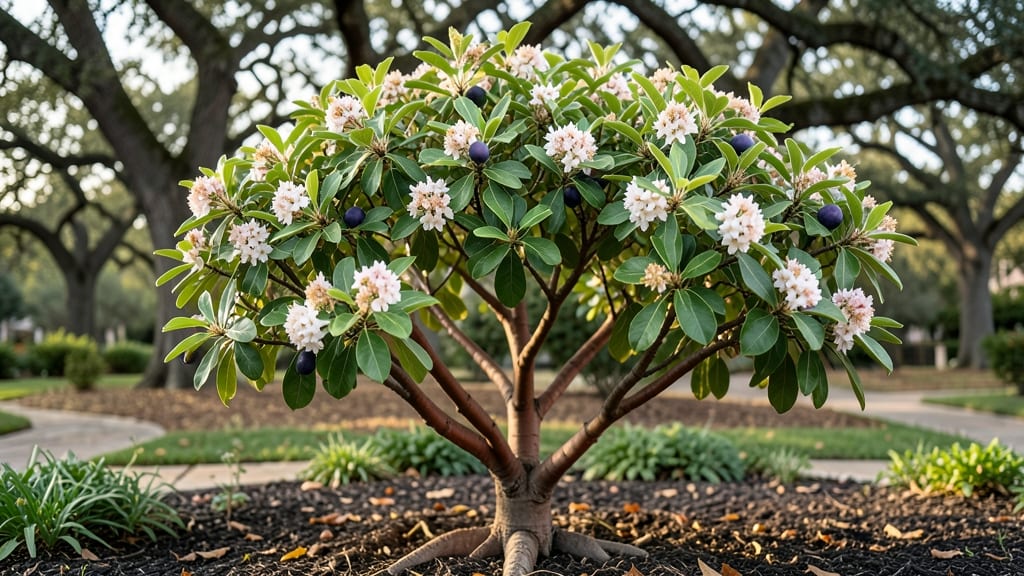
Houston’s Mexican plum tree thrives where others fail—its glossy leaves and fragrant white blossoms announce spring, while its sweet-tart fruit ripens through summer’s brutal heat. 🌿 I’ve grown mine for five years, and the secret isn’t just patience—it’s working with Houston’s humidity and urban heat instead of fighting it.
The tree’s native Mexican origins mean it handles our long summers better than most fruit trees, but you do need to adjust a few key things to keep it productive.
The real game-changer is planting in late winter (February) when temperatures stabilize, giving roots time to establish before the real heat hits. Pick a spot with full sun—even Houston’s shade can be too much—and ensure drainage, because soggy soil turns this drought-tolerant tree into a mess.
Amend heavy clay with compost, and watch how quickly it adapts to our alkaline soil once it’s settled in. My tree now produces 20-30 pounds of fruit annually, and the birds? They leave a few for me.
Pruning in late winter (before buds swell) keeps the tree open and airy—critical in Houston’s sticky summers when fungal diseases lurk. Water deeply once a week during dry spells, but let the top inch of soil dry between waterings to prevent root rot.
Fertilize lightly in early spring with a balanced 10-10-10—this tree doesn’t need much, but a little helps it push through our heat. The payoff? Juicy plums that ripen from June through August, when store-bought fruit is bland and overpriced.
Watch for aphids and scale—they love this tree’s sap, but a strong spray of water or neem oil keeps them in check. If your tree’s leaves yellow in summer, it’s likely iron deficiency from our alkaline soil; a chelated iron supplement fixes it fast.
For Houston-specific advice, check with Houston Garden Centers or Texas A&M AgriLife Extension—they’ve got the local tweaks that make all the difference. Ready to grow one that outlasts our summers?
📚 In This Guide
- What you need
- Instructions
- Tips and common mistakes
- Wrapping up and next steps
What you need
- ● Pruning shears: Bypass pruners (sharp, clean, and sterilized with rubbing alcohol to prevent disease). Size: 6–8 inches for medium branches.
- ● Loppers: For thicker branches (½–1½ inches in diameter). Look for: Ratcheting or bypass-style for precision.
- ● Pruning saw: Curved-tooth saw for branches over 1½ inches thick. Bonus: A foldable version for Houston’s tight spaces!
- ● Gloves: Heavy-duty, cut-resistant gloves (e.g., Mechanix or leather) to protect from thorns and sap.
- ● Disinfectant: 70% isopropyl alcohol or a 10% bleach solution (1 part bleach to 9 parts water) for sterilizing tools between cuts.
- ● Heavy-duty trash bags: 30–50 gallon size for collecting pruned branches and debris.
- ● Rake or leaf blower: For clearing fallen leaves and small debris from the base.
- ● Extension pole saw: For high branches (if you’re not using a ladder). Pro tip: Look for one with a 10–12 ft. reach!
- ● Ladder: Sturdy, non-slip ladder (4–6 ft. tall) for safety—never stand on wobbly surfaces!
- ○ Tree wound dressing: Pruning sealant (optional; controversial but useful for large cuts in Houston’s wet climate).
- ● Notebook & pen: To jot down notes on branch angles, sun exposure, or areas needing attention.
- ● Safety glasses: Protect your eyes from debris—especially when using a saw!
- ● Water & snacks: Houston’s heat is no joke! Stay hydrated and energized.
- ● Timing: Prune your Mexican plum tree in late winter to early spring (Feb–March) before new growth starts. Avoid pruning during Houston’s humid summer months to reduce disease risk.
- ● Weather check: Choose a dry, overcast day (or early morning) to minimize stress on the tree.
- ● Safety first: Wear closed-toe shoes and avoid pruning near power lines. If your tree is near utilities, call 811 to check for underground lines!
- ● Research your tree: Identify any dead, diseased, or crossing branches before you start. Houston’s climate can encourage fungal growth, so act fast!
Step-by-step instructions for planting a Mexican plum tree in Houston’s climate
Here’s how to establish a thriving Mexican plum tree that handles Houston’s heat, humidity, and occasional freezes.
🌱 Step 1: Choose the Right Location and Planting Time
Mexican plum trees (Prunus mexicana) thrive in full sun—select a spot with at least 6-8 hours of direct sunlight daily. Houston’s clay-heavy soil drains poorly, so amend the area with 2-3 inches of compost mixed into the top 12 inches of native soil. This improves aeration and prevents root rot.
Plant in late winter to early spring (February–March) when the ground is workable but before the summer heat peaks. Avoid planting during Houston’s occasional freeze events—young trees are vulnerable to cold damage. If you must plant in summer, do it in early morning or late afternoon to minimize heat stress on the roots.
🪴 Step 2: Dig the Hole and Position the Tree Correctly
Dig a hole twice as wide as the root ball but no deeper. The top of the root ball should sit 1-2 inches above ground level—this prevents water from pooling around the trunk. Gently loosen the roots if they’re circling tightly in the container, but avoid excessive handling to preserve root integrity.
Place the tree in the hole and backfill with the amended soil, tamping lightly as you go to eliminate air pockets. Water deeply to settle the soil around the roots. Houston’s clay soil can shrink after watering, so add a 2-inch layer of mulch (like pine bark or wood chips) around the base, keeping it 3 inches away from the trunk to prevent rot.
☀️ Step 3: Water Deeply and Establish a Consistent Schedule
Water the tree 2-3 times per week for the first month, providing 10-15 gallons per watering to encourage deep root growth. After that, shift to deep watering once a week, allowing the top 6 inches of soil to dry out between sessions. Mexican plums are drought-tolerant once established, but Houston’s heat demands consistent moisture during the first growing season.
Watch for wilting leaves or yellowing foliage—these are signs of either underwatering or overwatering. If the soil feels muddy or smells sour, you’re overdoing it. Houston’s humidity means the tree won’t need as much water as you’d expect, but the clay soil retains moisture longer than sandy soil.
✂️ Step 4: Prune for Shape and Fruit Production
Prune in late winter (January–February) before new growth begins. Remove dead, diseased, or crossing branches, then thin out 20-30% of the canopy to improve airflow and sunlight penetration. Mexican plums produce fruit on both old and new wood, so avoid heavy pruning in summer—it can reduce the next year’s harvest.
Shape the tree into an open vase form to encourage sunlight to reach the center. Houston’s heat can scorch leaves, so prune to reduce leaf density in the hottest months. Apply a balanced fertilizer (10-10-10) in early spring to support fruit development, but skip fertilizing in summer to avoid encouraging late-season growth vulnerable to fall freezes.
🌿 Step 5: Protect Against Houston’s Unique Challenges
Houston’s occasional freezes (even down to 25°F) can damage young trees. Wrap the trunk in burlap or tree guard in winter and cover the canopy with frost cloth if temperatures dip below 32°F. Mexican plums are more cold-hardy than they look, but young trees benefit from protection until they’re 3-4 years old.
Watch for aphids and scale insects, common in Houston’s humid climate. Spray the tree with neem oil or insecticidal soap if you spot sticky residue on leaves (a sign of sap-sucking pests). Avoid chemical pesticides—they can harm beneficial pollinators like bees, which are essential for fruit set.
Tips & tricks for perfect Mexican plum tree planting in Houston
Houston’s climate demands special attention when planting fruit trees—here’s how to give your Mexican plum the best start.
Sunlight Strategy: While 6-8 hours of sunlight is ideal, Houston’s summer sun can be intense. If planting near the property line, consider a temporary shade cloth during the first 4-6 weeks to prevent leaf scorch. The tree will toughen up quickly, but this gives it a fighting chance against Houston’s brutal afternoon heat.
Soil Preparation: Don’t just add compost—test your soil first! Houston’s clay can be surprisingly alkaline (pH 7.5-8.5). If your test shows pH above 7.0, mix in sulfur or peat moss (about 1 pound per 100 square feet) to lower it. Mexican plums prefer slightly acidic soil (pH 6.0-7.0) for optimal nutrient uptake, especially in our heavy clay.
Watering Wisdom: The 10-15 gallons per watering recommendation is perfect, but Houston’s humidity means evaporation happens fast. Water in the early morning (6-8 AM) to allow foliage to dry before afternoon humidity peaks. This prevents fungal diseases like powdery mildew, which thrives in Houston’s damp evenings. Use a soaker hose to deliver water directly to the roots without wetting the leaves.
Winter Protection: While Mexican plums can handle down to 25°F, young trees need extra care. Beyond the frost cloth, install a tree wrap (not plastic) around the trunk in late fall. Houston’s temperature swings can cause bark splitting. Also, avoid pruning in late winter if a freeze is forecast—new growth is more vulnerable to cold damage than established wood.
Pro Tips for Mexican Plum Tree Houston
- Houston’s climate demands special attention when planting fruit trees—here’s how to give your Mexican plum the best start.
- Sunlight Strategy: While 6-8 hours of sunlight is ideal, Houston’s summer sun can be intense.
- Soil Preparation: Don’t just add compost—test your soil first!
Frequently asked questions
Can a Mexican plum tree survive Houston’s summer heat?
This drought-tolerant tree thrives in Houston’s USDA Zones 8-10 and handles heat well once established. Just ensure it gets full sun (6+ hours/day) and well-draining soil. Mulch around the base to retain moisture and protect roots from extreme temps. Pro tip: Prune in late winter to reduce stress before peak heat arrives.
How fast does a Mexican plum tree grow in Houston?
Expect moderate growth—about 12-24 inches per year under ideal conditions. In Houston’s climate, growth may slow slightly during summer but speeds up in spring. Young trees benefit from regular watering (deep, infrequent soaks) until their root systems establish. Patience pays off: full fruit production typically takes 3-5 years!
When is the best time to harvest Mexican plums in Houston?
Harvest season peaks in late spring to early summer (April–June), but timing depends on your tree’s maturity. Plums are ripe when they yield slightly to gentle pressure and have a sweet fragrance. Hot tip: Pick in the morning for the best flavor, and avoid overripe fruit—birds and pests love them too!
What should I do if my Mexican plum tree isn’t fruiting?
Several factors could be at play: age (too young?), insufficient sunlight, or poor pruning. Check for cross-pollination needs—some varieties require a second tree. Improve care by fertilizing in early spring (use citrus-friendly fertilizer) and pruning to open the canopy for better airflow. If pests (like aphids) are present, treat with neem oil.
Are there drought-resistant alternatives to Mexican plum trees in Houston?
Yes! If you want low-maintenance fruit trees, consider:
- Sour Orange (Citrus aurantium) – Thrives in Houston’s heat, drought-tolerant, and produces fragrant blossoms.
- Texas Persimmon (Diospyros texana) – Native, hardy, and requires minimal water once established.
- Loquat (Eriobotrya japonica) – Evergreen, cold-hardy, and produces edible fruit year-round.
Wrapping up and next steps
Growing a Mexican plum tree in Houston isn’t just possible—it’s a rewarding way to enjoy year-round fruit while thriving in the local climate! 🌳 With the right pruning techniques, soil prep, and seasonal care, you’ll turn your backyard into a lush, productive oasis.
Whether you’re a seasoned gardener or just starting, these Houston-specific hacks will set you up for success.
Ready to take the next step? Start small: plant your tree in a sunny spot, grab your pruning shears, and dive into the seasonal tips you’ve learned. Before you know it, you’ll be harvesting juicy plums straight from your own tree—and maybe even sharing them with neighbors! 🍑✨