
Pests and Diseases
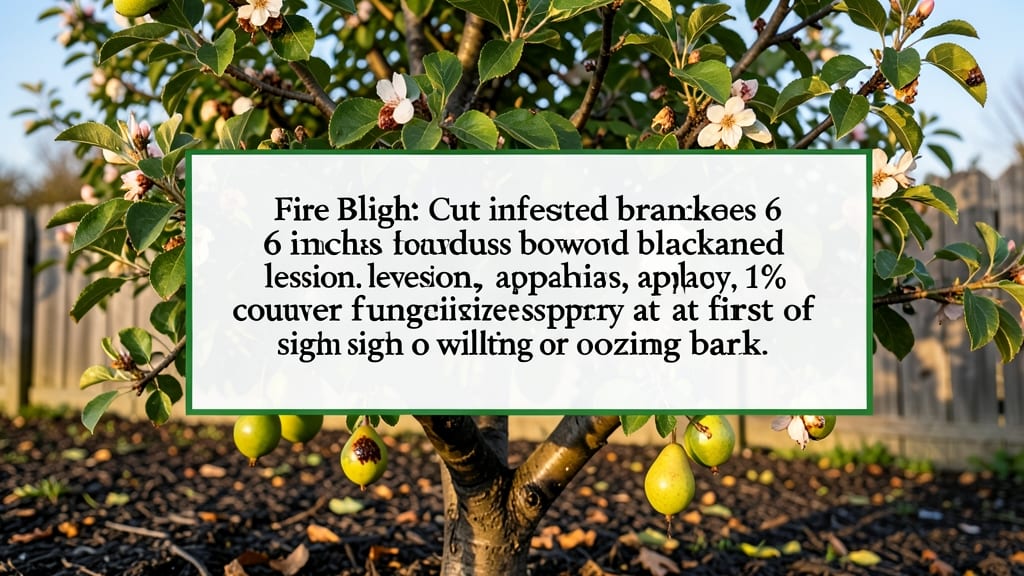
Your pear tree’s sudden blackened branches or fuzzy white coating aren’t just cosmetic—they’re signs of pear tree diseases and treatment that demand attention. Fire blight, powdery mildew, and scab are the usual culprits, and catching them early means the difference between a saved tree and a sad stump.
I’ve treated my share of infected pears, and the key is acting fast with the right mix of pruning, sprays, and prevention.
The worst part? These diseases spread faster than you’d think—fire blight can move through a tree in days, while powdery mildew turns leaves to dust if ignored. But here’s the good news: organic copper sprays, proper pruning techniques, and resistant varieties like ‘Seckel’ or ‘Bartlett’ can turn things around.
The sooner you recognize the symptoms, the easier the fix.
You’ll learn to spot the early signs—oozing cankers, dark streaks, or that telltale white powder—and how to prune infected branches without spreading the problem. With the right treatment plan, your tree can bounce back stronger than ever, producing juicy pears for years to come.
Whether you’re dealing with a young sapling or a mature tree, this guide covers everything from quick fixes to long-term care. Let’s get your pear tree back to healthy, productive glory—before the next outbreak hits.
Why it happens
H2: Understanding Root Causes
Pear trees are resilient, but they’re not immune to stress—and that’s often where diseases take hold. 🌱🔍 When conditions align just right, pathogens like bacteria, fungi, or viruses exploit weaknesses in your tree’s defenses.
Let’s break down the key triggers behind common pear tree diseases, so you can address the why behind the symptoms.
---
Pear trees thrive in specific conditions, and when those conditions shift—especially during critical growth stages—diseases flourish. Here’s how weather plays a role:
- Excess Moisture: Prolonged wetness (like heavy rain or poor drainage) creates the perfect breeding ground for fungal diseases like powdery mildew and black spot. Fungi spores germinate in damp environments, clinging to leaves and fruit. Pro tip: Aim for 6–8 hours of sunlight daily to reduce leaf wetness and improve airflow.
- Temperature Swings: Sudden drops in temperature (especially below 50°F/10°C) weaken a tree’s immune response, making it vulnerable to fire blight (caused by Erwinia amylovora). Warm, humid nights (70–80°F/21–27°C) further accelerate bacterial spread.
- Frost Damage: Late spring frosts can kill new growth, creating entry points for secondary infections. Actionable fix: Use frost cloths or choose late-blooming pear varieties (e.g., ‘Moonglow’) for colder climates.
---
A stressed pear tree is like an open invitation for pests and diseases. Common signs of weakness include:
- Nutrient Deficiencies: Yellowing leaves (chlorosis) from iron or zinc deficiency weaken cell walls, making trees susceptible to canker diseases. Test soil pH (ideal: 6.0–7.0) and amend with chelated iron or lime if needed.
- Overcrowding: Dense foliage traps moisture and blocks sunlight, fostering powdery mildew. Prune to open the canopy and remove dead or crossing branches (which harbor pathogens).
- Physical Injury: Cuts from pruning tools or hail damage create wounds that bacteria (like fire blight) can invade. Always sterilize pruners with rubbing alcohol and make clean cuts.
---
Diseases don’t appear out of nowhere—they’re often already lurking in your garden or brought in unintentionally. Here’s how:
| Disease | How It Spreads | Prevention Tip |
|---|---|---|
| Fire Blight | Bacteria spread via insects (bees, flies), rain splash, or contaminated tools. Infected blossoms ooze amber-colored goo and die back. | Remove infected branches 6+ inches below the lesion and sterilize tools between cuts. |
| Powdery Mildew | Fungal spores hitchhike on wind, tools, or infected plant debris. Thrives in shady, humid conditions. | Space trees 4–6 feet apart and apply baking soda spray (1 tbsp baking soda + 1 gallon water + a drop of soap) weekly. |
| Pear Scab | Fungal spores overwinter in fallen leaves or cankers. Rain splashes spores onto new leaves and fruit. | Rake and dispose of leaf litter in fall. Use copper fungicide at bud swell. |
---
Even well-meaning actions can introduce diseases. For example:
- Contaminated Tools: Pruning shears or grafting knives can transfer fire blight or canker from one tree to another. Always clean tools with 70% isopropyl alcohol or bleach solution (1 part bleach to 9 parts water).
- Wildlife Vectors: Birds and insects (like pear psylla) spread spores or bacteria. Install fine mesh netting over young fruit to block pests.
- Improper Grafting: Using infected scions or poor grafting techniques can introduce viral diseases (e.g., pear decline virus). Source scions from certified nurseries and follow sterile techniques.
---
Key Takeaway: Most pear tree diseases are a perfect storm of weak defenses + favorable conditions. By addressing moisture, nutrition, airflow, and hygiene, you can break the cycle before diseases take root. 🚀
Step-by-Step Fixes for Common Pear Tree Woes
Now that you’ve identified the problem, it’s time to roll up your sleeves and restore your pear tree’s health! Below are practical, actionable solutions tailored to each disease, plus prevention tips to keep future outbreaks at bay. 🌱🛠️
---
Fire blight is aggressive, but early pruning and copper-based treatments can save your tree.
#### 🔪 Prune Infected Branches (Critical Step!) - When: Late winter or early spring (before buds swell) or immediately after spotting symptoms in summer. - How: - Cut 6–12 inches below the infected area (the disease lurks in dormant cankers). - Sterilize pruners with rubbing alcohol or bleach solution (1 part bleach to 9 parts water) between cuts. - Burn or bag infected branches—do not compost them! - Pro Tip: 💡 Prune on a dry, wind-free day to prevent bacterial spread.
#### 🛡️ Apply Bacterial Sprays - Copper fungicide (e.g., Copper Sulfate or Bordeaux Mixture) is the gold standard for fire blight. - Spray during bloom and again 2–3 weeks later for prevention. - Reapply after rain (copper washes off). - Alternative: Streptomycin (antibacterial) for severe cases (follow label instructions).
#### 🌡️ Long-Term Prevention - Resistant varieties: Plant ‘Kieffer’, ‘Moonglow’, or ‘Seckel’ pears—they tolerate fire blight better. - Improve airflow: Thin dense branches to reduce humidity (bacteria thrive in wet conditions). - Avoid overhead watering—use drip irrigation instead.
---
This fungal foe coats leaves in white powder, but proper fungicides and cultural fixes can reverse it.
#### 🧼 Clean Up and Spray - Remove infected leaves (drop them in a sealed bag—do not mulch). - Apply fungicide at the first sign of mildew: - Neem oil (organic option—spray every 7–10 days). - Sulfur-based fungicides (e.g., Liqui-Cop)—avoid if temps exceed 90°F (can burn leaves). - Baking soda spray (mix 1 tsp baking soda + 1 tbsp oil + 1 quart water) for mild cases.
#### 🌿 Boost Tree Health - Water deeply at the base (avoid wetting foliage). - Prune for sunlight: Thin branches to improve airflow (mildew loves shade). - Mulch properly: Use 2–3 inches of organic mulch (keep it 6 inches from the trunk).
#### 🌡️ Prevention for Next Year - Plant in full sun (6+ hours/day)—powdery mildew thrives in shady, damp spots. - Choose resistant varieties: ‘Bartlett’ and ‘Bosc’ are less prone than ‘Anjou.’
---
These diseases weaken trees by blocking nutrients—pruning + fungicides are key.
#### ✂️ Prune and Disinfect - Remove infected leaves/branches (sterilize tools between cuts!). - For cankers: Cut out dead wood and seal wounds with pruning paint (optional but helpful).
#### 💊 Fungicide Schedule - Dormant season (late winter): Spray copper fungicide before buds swell. - Growing season: Apply every 2–3 weeks with: - Chlorothalonil (synthetic, highly effective). - Potassium bicarbonate (organic alternative).
#### 🌱 Strengthen the Tree - Fertilize in early spring with balanced 10-10-10 (avoid excess nitrogen—it encourages leaf growth but weakens disease resistance). - Water consistently (drought stress invites fungal attacks).
---
These sap-sucking pests curl leaves, but horticultural oil and beneficial insects can control them.
#### 🕷️ Natural Controls First - Release ladybugs or lacewings (natural predators of psylla). - Install yellow sticky traps to monitor populations.
#### 💦 Spray at the Right Time - Dormant oil spray (late winter) smothers eggs. - Horticultural oil or insecticidal soap (spring, when nymphs hatch). - Avoid broad-spectrum pesticides—they kill beneficial insects!
#### 🌿 Cultural Fixes - Prune to improve airflow (psylla love dense, humid canopies). - Remove and destroy curled leaves (burn or bag them).
---
A healthy tree fights disease better! Follow these year-round tips to keep your pear tree thriving:
- 🌱 Plant in the right spot: Full sun (6+ hours) and well-draining soil (pH 6.0–7.0). - 💧 Water deeply but infrequently: 1–2 inches per week (drip irrigation > overhead). - 🍂 Fall cleanup: Rake and remove fallen leaves (many diseases overwinter in debris). - 🌿 Mulch correctly: 2–3 inches of wood chips, 6 inches from the trunk. - 📅 Monitor regularly: Check undersides of leaves and new growth weekly.
--- Final Pro Tip: ✨ Act fast! The sooner you treat a disease, the easier it is to control. One season of neglect can turn a minor issue into a tree-killer—so stay vigilant!
Frequently asked questions about pear tree diseases
What’s the first sign of fire blight in my pear tree?
Look for blackened, wilted branches that ooze amber-colored bacterial goo when cut. The tips of blossoms or leaves may also curl and die back suddenly. This is your tree’s SOS—act within 24 hours to prune infected areas and apply copper spray.
Can I save my tree if powdery mildew covers all the leaves?
Yes, but you’ll need aggressive action! Start by removing 90% of infected leaves and applying a sulfur-based fungicide or neem oil. Thin the canopy to improve airflow, and avoid overhead watering. With consistent care, new growth should emerge mildew-free within 4-6 weeks.
Is it safe to use homemade remedies like baking soda spray?
Absolutely for powdery mildew! Mix 1 teaspoon baking soda + 1 tablespoon oil + 1 quart water and spray weekly. For bacterial diseases like fire blight, stick to copper fungicides—baking soda won’t cut it. Always test remedies on a small leaf first to avoid burns.
How do I know if my tree has scab or just regular leaf spots?
Pear scab shows as olive-brown, velvety spots on leaves and fruit that enlarge and crack. Regular leaf spots are usually dry and crispy with yellow halos. Scab also causes premature leaf drop—if you see this combo, prune infected branches immediately and apply copper fungicide.
Can I still harvest fruit from a diseased tree?
Only if the disease is contained to leaves/branches (like early powdery mildew). For bacterial infections (fire blight) or fungal diseases on fruit (scab), remove all infected fruit immediately—they won’t ripen properly and may spread spores. Always wash harvested pears thoroughly before eating.