
Pruning
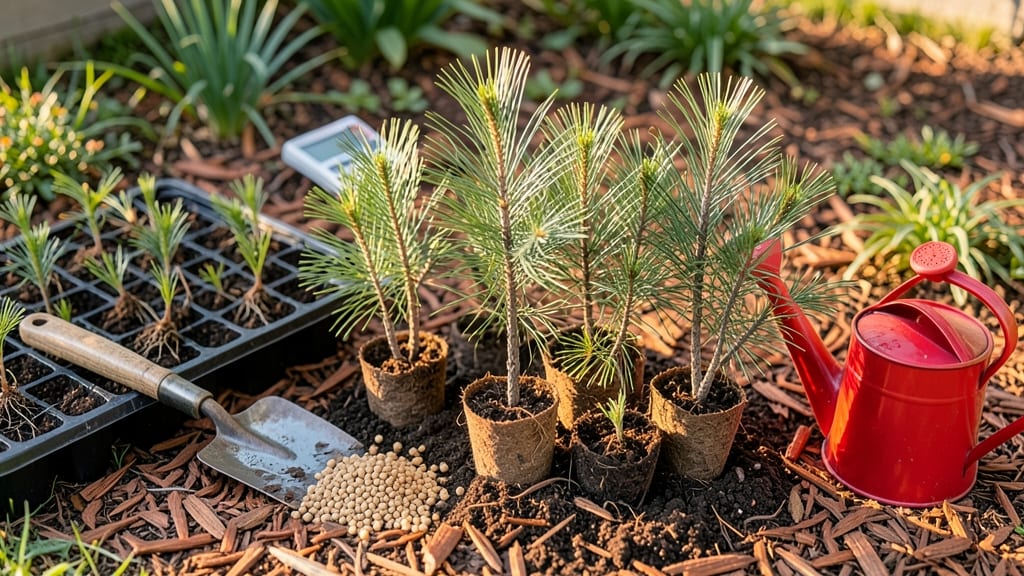
Caring for pine tree seedlings starts with understanding their stubborn, slow-but-steady nature. 🌲 These little evergreens won’t put up with soggy soil or harsh winds—they need a balance that mimics their natural mountain habitats.
My first batch nearly died from overwatering, but once I learned their preferences, they thrived through winters that would kill tender saplings.
The secret lies in three key habits: well-draining soil (think coarse sand mixed with peat), infrequent deep watering (only when the top inch feels dry), and protecting them from strong winds until they’re at least 2 feet tall.
Pine seedlings also appreciate partial shade in their first year—too much sun scorches their delicate needles, and too little stunts their growth.
By their second year, you’ll see bold new growth and a sturdy root system ready for transplanting. The payoff? A cold-hardy tree that outlasts most nursery plants and becomes the backbone of your landscape. Just avoid over-fertilizing—pines prefer lean soil and grow best when left alone after the first year.
Whether you’re growing from seed or buying bare-root seedlings, these principles work for all pines—from white pines to Scots pines. The key is patience: these trees grow slowly but live for decades. Start with these basics, and you’ll have a forest-worthy specimen in no time.
📚 In This Guide
- What you need
- Instructions
- Tips and common mistakes
- Wrapping up and next steps
What you need
- ● Pine tree seedlings: Choose cold-hardy varieties (e.g., Pinus sylvestris or Pinus strobus) from a trusted nursery. Buy 3–5 seedlings for variety or spacing.
- ● Well-draining soil: Mix 2 parts potting soil with 1 part perlite or coarse sand (for containers) or amend garden soil with compost (for outdoor planting).
- ○ Containers (optional): Use 5–7 gallon pots with drainage holes if starting indoors. Ensure they’re made of plastic or fabric to prevent root binding.
- ● Slow-release fertilizer: A balanced 10-10-10 or 20-20-20 fertilizer (follow package rates for seedlings).
- ● Watering can or hose with gentle nozzle: Seedlings need consistent moisture without waterlogging.
- ○ Mulch (optional but recommended): Use 2–3 inches of pine straw or wood chips to retain moisture and regulate soil temperature.
- ● Seedling heat mat: For indoor starts, a heat mat (70–75°F) speeds up germination.
- ● Grow lights: If planting indoors, use LED grow lights (12–16 hours/day) to supplement natural light.
- ● Pruning shears: Small, sharp shears for trimming leggy growth or shaping as needed.
- ● Soil pH test kit: Pine trees prefer slightly acidic soil (pH 5.0–6.5)—adjust with sulfur or lime if needed.
- ● Windbreaks: Burlap screens or stakes to protect young seedlings from strong winds.
Step-by-Step instructions for cold-hardened pine tree seedling care
Here’s how to nurture young pine seedlings through their critical first years—where patience and proper technique make all the difference.
🌱 Step 1: Acclimate Seedlings to Outdoor Conditions Gradually
Pine seedlings must harden off before permanent planting. If you started them indoors or received bare-root stock, place them in a shaded outdoor area for 3-5 days before full exposure. Choose a spot with partial shade and protected wind—direct sun and cold drafts stress tender needles. I like to use a 50% shade cloth during the first 24 hours to ease the transition.
Check seedlings daily for signs of stress: needles curling at the tips or wilting stems mean they’re not ready. Water lightly at the base only—avoid overhead spraying, which can encourage fungal diseases. Once seedlings show new growth after a week, they’re ready for full sun exposure.
☀️ Step 2: Plant in Well-Draining, Acidic Soil
Pines thrive in sandy, acidic soil with a pH of 4.5-6.0. Amend heavy clay or alkaline soil with 2-3 inches of peat moss or pine bark fines before planting. Dig a hole twice as wide as the root ball but no deeper—planting too deep suffocates roots and causes rot. Gently loosen any circling roots to encourage outward growth.
Position seedlings 6-8 feet apart for mature spacing, even if they look small now—pines grow slowly but live for decades. Water deeply right after planting to settle soil around roots, then let the top 2 inches dry out before watering again. Overwatering at this stage is the fastest way to kill young pines.
💧 Step 3: Water Deeply but Infrequently
Pine seedlings detest soggy roots. Water once every 7-10 days during the first growing season, delivering 1-2 gallons per tree at each session. The goal is to encourage deep root growth—not surface moisture. You’ll know you’ve watered enough when soil 12 inches down feels damp (use a screwdriver to check).
Mulch with 3 inches of pine straw or wood chips to retain moisture and regulate soil temperature. Keep mulch 6 inches away from the trunk to prevent rot. Avoid synthetic mulches—they can raise soil pH over time, which pines dislike. In winter, add an extra 2 inches of mulch for insulation.
✂️ Step 4: Prune Only for Safety and Health
Never prune pine seedlings for shape—you’ll damage their natural growth habit. Remove only dead, broken, or diseased branches with sterilized pruners, cutting just above a healthy bud. Avoid heavy pruning in the first two years; pines are slow to recover from stress. If you notice yellowing needles, it’s usually a sign of overwatering or poor drainage, not disease.
Watch for pine needle cast (brown needles in patches) or aphids (sticky residue on new growth). Treat with neem oil spray if needed, but preventative care—like proper spacing and watering—keeps most pests away. Healthy seedlings develop dark green, flexible needles that stay attached for 18+ months before naturally falling.
⏰ Step 5: Protect Through Winter’s First Challenges
Young pines need winter protection in their first two years. Wrap the trunk with tree guard (not plastic wrap) to prevent rodent damage, and burlap wrap the top half of the tree to shield from drying winter winds. In areas with frost heaving (soil freezing/thawing cycles), stake seedlings to prevent roots from being pushed out of the ground.
Water sparingly in winter—only when soil is bone dry (check with your screwdriver). Overwatering in cold soil suffocates roots. If heavy snow accumulates, gently brush it off branches to prevent breakage. By spring, you’ll see new candle growth (the year’s new needles) as a sign your seedlings survived winter strong.
Tips & tricks for perfect cold-hardened pine tree seedling care
A few simple adjustments can transform your seedlings from fragile starts to resilient young trees. Here’s what I’ve learned after nurturing dozens of pine seedlings through their critical first years.
Acclimation Timeline: The 3-5 day hardening-off period in Step 1 is non-negotiable for tender seedlings. Start with that 50% shade cloth for the first 24 hours—it mimics natural dappled sunlight and prevents sunburn. I’ve seen seedlings with crispy needle tips after skipping this step, thinking they were ready for full sun too soon. Trust me, patience here pays off.
Soil pH Test: Before amending your soil in Step 2, test its current pH with a simple kit from your garden center. Pines are finicky about acidity—aim for that 4.5-6.0 range. If your soil tests higher, mix in sulfur gradually (about 1 pound per 100 square feet) a month before planting. The 2-3 inches of peat moss or pine bark fines will help, but don’t skip the pH adjustment if your soil is alkaline.
Watering Depth Check: That 12-inch soil moisture test in Step 3 is your secret weapon. Use a screwdriver or soil probe to check—if it comes out dry, you need more water. I’ve made the mistake of assuming surface moisture meant the roots were happy, only to find seedlings struggling with shallow roots. Deep watering encourages those roots to grow downward where they belong, making your pines far more drought-resistant as they mature.
Winter Protection Layering: When adding that extra 2 inches of mulch in winter (Step 5), don’t just pile it on top. Create a loose, insulating layer around the base while keeping it 6 inches away from the trunk. This prevents moisture buildup that can lead to rot. I also recommend wrapping the trunk with tree guard after the first frost—rodents love the tender bark of young pines, and this simple step can save your seedlings from becoming a snack.
Pro Tips for Pine Tree Seedlings Care
- A few simple adjustments can transform your seedlings from fragile starts to resilient young trees.
- Acclimation Timeline: The 3-5 day hardening-off period in Step 1 is non-negotiable for tender seedlings.
- Soil pH Test: Before amending your soil in Step 2, test its current pH with a simple kit from your garden center.
Frequently asked questions
Got questions about nurturing your pine tree seedlings? You’re not alone! Here are some of the most common concerns—and straightforward answers—to help your young trees grow strong and healthy.
How often should I water pine tree seedlings?
Water pine seedlings deeply but infrequently—about once a week, depending on rainfall and soil drainage. Overwatering can suffocate roots, while underwatering stresses them. Check soil moisture 1-2 inches below the surface; if it’s dry, give them a thorough soak. Pro tip: Use a drip irrigation system or soaker hose to deliver water directly to the roots.
Can pine tree seedlings survive winter?
Yes! Cold-hardened seedlings thrive in winter, but young trees (especially newly planted ones) need protection. Mulch heavily (3-4 inches) around the base to insulate roots, and wrap the trunk in burlap if temperatures drop below -10°F. Most pine varieties tolerate freezing temps, but extreme cold or wind can damage tender needles.
What’s the best soil mix for pine seedlings?
Pines prefer well-draining, acidic soil (pH 4.5–6.0). Mix equal parts peat moss, perlite, and pine bark fines for optimal growth. Avoid heavy clay or compacted soil, which can cause root rot. If your native soil is alkaline, amend it with sulfur or pine needles to lower the pH gradually.
Why are my pine seedlings turning brown?
Brown needles often signal overwatering, underwatering, or pest damage. Check the soil first—if it’s soggy, reduce watering and improve drainage. If needles are crispy and dry, increase moisture. For pests (like spider mites or aphids), spray with neem oil or insecticidal soap. Note: Older needles naturally brown and fall off, so focus on new growth.
How long until pine seedlings are ready for transplanting?
Most pine seedlings can be transplanted after 1–2 growing seasons (or when they reach 12–18 inches tall). Choose a cloudy day to minimize transplant shock, and dig a hole twice as wide as the root ball. Water thoroughly before and after moving to help roots establish. Timing tip: Spring or early fall are the best seasons for transplanting.
Wrapping up and next steps
Caring for pine tree seedlings is all about patience, preparation, and a little extra love! 🌲 By choosing the right soil, providing proper watering, and protecting them from harsh elements, you’ll set your young trees up for a strong, healthy future.
Remember, cold-hardening is key—gradually exposing seedlings to cooler temps helps them thrive in their new home.
Now that you’re armed with the know-how, why not take the next step? Grab your seedlings, roll up your sleeves, and give them the best start possible. Your future forest—or at least a stunning backyard—starts with these tiny champions! 🌱✨