
Pruning
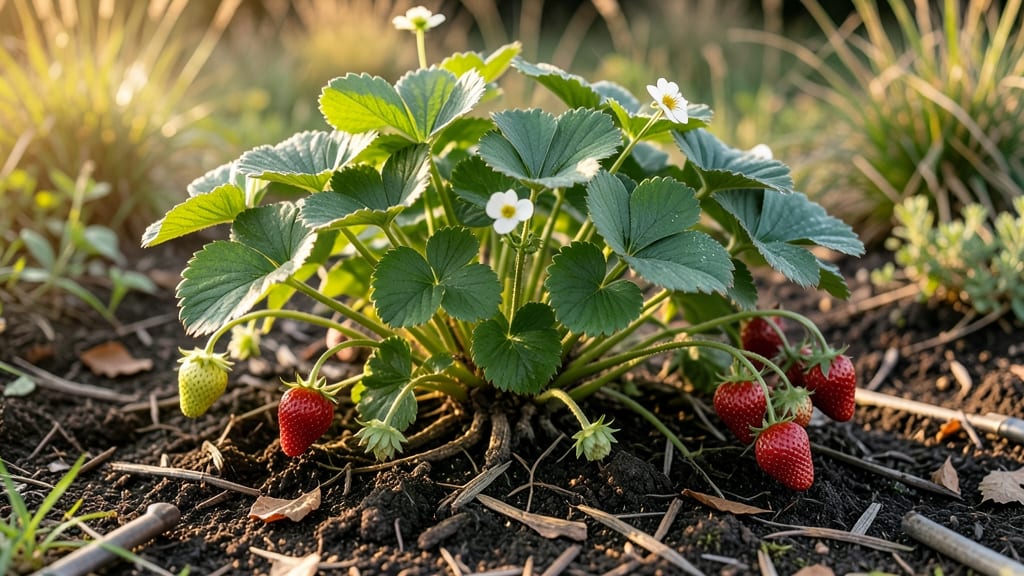
Your strawberry tree’s trunk isn’t just a support—it’s the backbone of its beauty. 🌿 Pruning it right keeps branches graceful, prevents disease, and ensures your tree thrives for years. I’ve spent seasons watching how small cuts now mean fewer headaches later, and the difference is shocking.
Start by examining the trunk for cracks, oozing sap, or dark spots—these are red flags. Use clean, sharp pruners to make 1/4-inch cuts just outside damaged areas, always at a slight angle. The goal isn’t to hack away but to encourage healthy growth while removing weak spots before they spread.
You’ll end up with a stronger, more balanced tree that flowers and fruits better. The key is timing: prune lightly in late winter, but avoid heavy cuts in summer when pests and diseases love to take hold.
Works for both young trees and mature ones—just adjust the size of your cuts. Let’s get your strawberry tree looking its best!
📚 In This Guide
- What you need
- Instructions
- Tips and common mistakes
- Wrapping up and next steps
What you need
- ● Pruning shears: Bypass pruners (for clean cuts on smaller branches) – 1 pair (sharp, high-quality).
- ● Loppers: For thicker branches (1–2 inches in diameter) – 1 pair (bypass or anvil type).
- ● Pruning saw: For stubborn, larger branches (2+ inches) – 1 saw (curved blade, 8–10 inches).
- ● Disinfectant: 70% isopropyl alcohol or pruning sealant – small bottle (for sterilizing tools).
- ● Garden gloves: Heavy-duty, cut-resistant – 1 pair (for safety).
- ● Rag or paper towels: For wiping tools between cuts – 2–3 towels.
- ○ Pruning paint/sealant: (Optional but recommended for large cuts) – small bottle (e.g., tree wound dressing).
- ● Extension pole: (For hard-to-reach branches) – 1 pole (with attached shears or saw).
- ● Weather check: Prune on a dry, overcast day (avoid wet or windy conditions).
- ● Safety gear: Safety glasses (to protect from debris).
- ● Cleanup supplies: Bucket or bag for debris – 1 large container.
- ● Tree health assessment: Inspect the trunk/branches for disease, pests, or dead wood before starting.
Step-by-Step guide to pruning your strawberry tree for perfect trunk shape
Transform your strawberry tree's trunk from wild to sculpted with these simple, year-round techniques.
🌿 Step 1: Assess the Trunk and Branches at the Right Time
Start by examining your strawberry tree's trunk and branches in late winter or early spring, just as new growth begins. This is when the tree is dormant but about to wake up—perfect timing for shaping. Look for branches that grow directly from the trunk at awkward angles, or those that cross over each other, creating narrow "V" shapes where water can pool and diseases hide.
Run your hand along the trunk to feel for any rough or uneven growth. If you notice bumps or thickened areas, these might be signs of old pruning cuts or natural growth patterns that need correction. Take a step back and visualize how you want the trunk to look—smooth, tapered, and free of clutter. This mental prep ensures you won't over-prune or make hasty cuts.
✂️ Step 2: Remove Problematic Branches with Precision
Use sharp, clean pruning shears to cut branches that grow straight out from the trunk (called "water sprouts") or those that rub against each other. Make your cuts just outside the branch collar—the swollen area where the branch meets the trunk. This ensures the tree can heal properly and prevents unsightly stubs. For larger branches, use loppers and cut at a 45-degree angle about ¼ inch outside the branch collar.
If you're dealing with a branch that's too thick to cut in one go, make a small notch on the underside of the branch first, then cut through the top. This prevents the branch from tearing and leaving a ragged wound. After cutting, step back and check your progress—you want the trunk to look clean and uncluttered, with branches emerging at natural, outward-facing angles.
☀️ Step 3: Shape the Trunk for a Natural, Graceful Look
Now focus on refining the trunk itself. If the trunk has grown unevenly or has rough patches, use a small pruning saw to carefully smooth out any bumps or protrusions. Work slowly and avoid removing too much bark—just enough to create a sleek, tapered shape. Think of it like sanding wood: you want to refine, not carve aggressively.
Pay special attention to the base of the trunk, where branches meet. If you see small, weak branches sprouting too close together, remove the weaker one to give the stronger branch room to grow. This step is all about balance—your goal is to create a trunk that looks intentional, not forced. A well-shaped trunk will guide the tree’s future growth and make it easier to maintain over time.
🪴 Step 4: Maintain and Monitor Through the Growing Season
After pruning, keep an eye on your strawberry tree as it grows. In early summer, check for any new water sprouts or branches that didn’t heal properly. These can be trimmed back immediately to prevent them from detracting from your tree’s shape. Water the tree deeply but avoid overwatering—this helps the cuts heal faster and reduces stress on the tree.
By late summer or early fall, reassess the trunk and branches one last time before the tree enters dormancy. This is your chance to do any final touch-ups and ensure the tree is ready for winter. If you notice any signs of disease or pest damage, address them now with appropriate treatments. A little seasonal maintenance keeps your strawberry tree looking polished year-round.
Tips & tricks for perfect strawberry tree trunk shaping
Here's what nobody tells you about transforming your strawberry tree's trunk into a work of art.
Timing is Everything: Late winter or early spring is your golden window for pruning because the tree is dormant but about to wake up. I learned this the hard way after pruning in summer—new growth was already underway, and the tree struggled to heal properly. The key is to catch it just as buds begin to swell, ensuring clean cuts without stressing the tree. This timing also lets you see the full structure before new leaves obscure your view.
The Branch Collar Technique: When removing branches in Step 2, never cut flush with the trunk—always leave that quarter-inch outside the branch collar. I've seen so many trees with ugly stubs because people didn't follow this rule. The collar is nature's healing seal, and cutting too close can create wounds that take forever to close or even invite disease. Think of it as the tree's natural bandage—respect it!
Sawing Safely: For Step 3's trunk shaping, use a small pruning saw with fine teeth designed for delicate work. I recommend making shallow, controlled cuts rather than trying to remove large chunks at once. Work in gentle strokes, and always cut parallel to the trunk's natural contours. Remember, you're sculpting, not carving—small refinements create the most natural look. If you're unsure, practice on a small branch first to get the feel.
Seasonal Checkpoints: The early summer and late summer/fall maintenance checks in Step 4 are non-negotiable for long-term success. I schedule reminders on my phone because I've forgotten these checkups before, and by fall, my trees looked messy. These touch-ups prevent small issues from becoming big problems. Keep a small pruning kit handy for quick fixes—you'll be glad you did when you spot those sneaky water sprouts popping up.
Pro Tips for Strawberry Tree Trunk
- Here's what nobody tells you about transforming your strawberry tree's trunk into a work of art.
- Timing is Everything: Late winter or early spring is your golden window for pruning because the tree is dormant but a...
- The Branch Collar Technique: When removing branches in Step 2, never cut flush with the trunk—always leave that quart...
Frequently asked questions
When is the best time of year to prune a strawberry tree trunk?
The ideal time is late winter or early spring (before new growth starts) or right after flowering (summer). Avoid pruning in fall—it can stimulate tender growth that won’t survive winter. For light shaping, you can also prune lightly in summer, but never during frost or extreme heat!
How much can I trim off without harming the tree?
Strawberry trees are forgiving! You can safely remove up to 25-30% of the tree’s total growth in a single session. For trunk shaping, focus on dead, crossing, or overly dense branches—never trim more than 1/3 of a branch’s length at once. Thin out interior branches to improve airflow and light penetration.
What should I do if my strawberry tree trunk starts bleeding sap after pruning?
Sap bleeding is normal and harmless! It’s the tree’s way of sealing wounds. To minimize it, use sharp, clean tools and prune on a cool, dry day. Avoid pruning during hot weather. If the sap turns black or moldy, wipe it with a 1:10 bleach-water mix (rinse afterward) to prevent fungal issues.
Can I shape a strawberry tree trunk like a traditional bonsai?
Strawberry trees respond well to bonsai-style pruning, but patience is key. Use wire or raffia to gently guide branches into position while young. For trunk thickening, avoid heavy pruning—focus on root pruning and gradual branch reduction. Expect it to take 3-5 years for dramatic bonsai-like results.
Are there alternatives to pruning if I don’t want to use shears?
Yes! Try these low-tech methods:
- Hand-thinning: Snap smaller branches by hand (twist gently until they break cleanly).
- Natural pruning: Let the tree grow wild for a season, then remove only the most overgrown branches in one go.
- Weighted branches: Use soft ties to bend branches downward (great for creating a weeping effect).
Just avoid rubber bands or tight wires—they can girdle the bark!
Pro Tip: Label your cuts!
If you’re unsure which branches to prune, take a photo of the tree before you start. Mark branches to remove with twine or paint (use non-toxic, water-based paint). This helps avoid over-pruning and keeps your vision clear!
Wrapping up and next steps
Mastering the art of pruning your strawberry tree trunk isn’t just about shaping—it’s about nurturing a thriving, graceful plant that rewards you with stunning blooms and fruit year after year. 🌿 Whether you’re tackling early spring growth, summer maintenance, or winter cleanup, the key is patience, precision, and a little love.
Now that you’re armed with the right tools, techniques, and timing, roll up your sleeves and give your tree the care it deserves!
Ready to take it further? Start small—pick one season to refine your skills, then gradually expand your pruning confidence. Before you know it, your strawberry tree will be the showstopper of your garden! 🌟