
Pests and Diseases
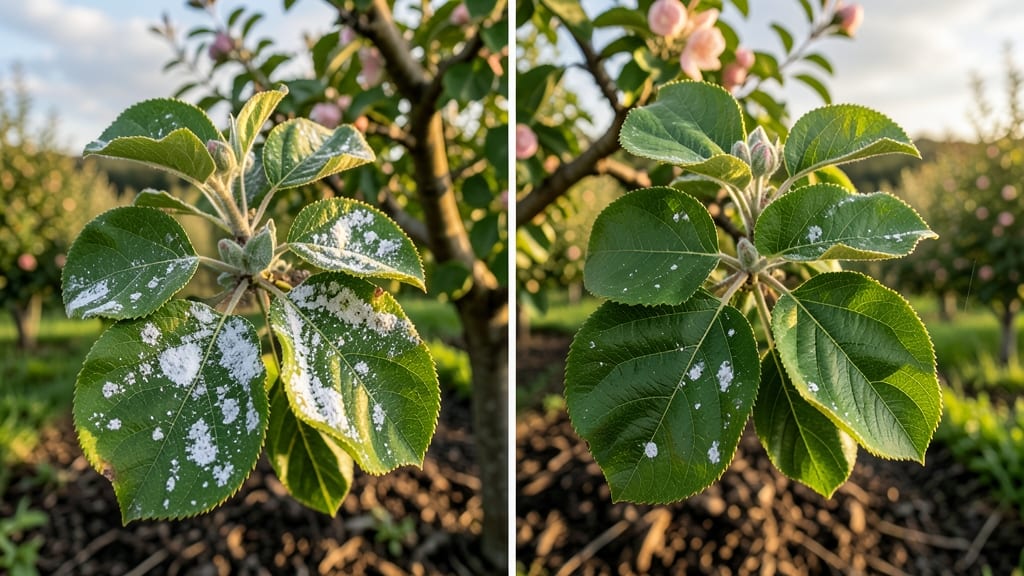
White spots on tree leaves mean your trees are sending an SOS—often from powdery mildew, pests, or stress. 🌿 I’ve battled this mess on my oak and maples, and the key is acting fast before it spreads.
The good news? Most cases clear up in 2-3 weeks with the right approach, and you don’t need harsh chemicals to fix it.
First, identify the culprit: fuzzy white spots? Likely powdery mildew. Tiny holes or webbing? Probably pests like aphids or spider mites. Environmental stress—like too much shade or inconsistent watering—can also trigger these spots. Grab a magnifying glass (or just your phone’s camera) to zoom in and spot the clues.
Your fast fixes start with pruning affected leaves and branches to improve airflow, then follow up with a baking soda spray (1 tsp baking soda + 1 quart water + a drop of dish soap) for mildew, or neem oil for pests.
Repeat every 7-10 days until new growth appears clean. Prevention? Mulch properly, water at the base (not overhead), and avoid overcrowding trees.
Most trees bounce back quickly if you catch it early—my maple recovered fully after 3 treatments last summer. The worst mistake? Waiting. But with these steps, you’ll have your trees looking lush and spot-free in no time. Let’s get those leaves healthy again!
Root Causes Of Leaf Discoloration
White spots on your tree’s leaves aren’t just an aesthetic nuisance—they’re often a cry for help from your foliage. Understanding the why behind these blemishes is the first step to restoring your tree’s health.
Below, we break down the most common culprits, from microscopic invaders to environmental stressors, and explain how they trigger these telltale marks.
Fungi are the #1 cause of white spots on leaves, and they thrive in damp, humid conditions. These pathogens don’t just discolor leaves—they can weaken entire trees over time. Here’s how they strike:
- Powdery Mildew 🌬️
- How it works: This fungal disease forms a white, powdery coating on leaves, blocking sunlight and stunting photosynthesis.
- Why it spreads: Poor air circulation, overwatering, or dense foliage creates the perfect humid microclimate for spores to germinate.
- Key clue: Spots often appear on upper leaf surfaces first and spread rapidly in shady, moist areas.
- Leaf Spot Diseases 🎯
- How it works: Fungi like Cercospora or Septoria create small, circular white or grayish spots with dark borders, often with a fuzzy or velvety texture.
- Why it spreads: Rain splashes or overhead watering disperse spores, while wet leaves stay damp for extended periods.
- Key clue: Spots may develop yellow halos or drop out as the leaf tissue dies.
- Rust Fungi 🔥
- How it works: These fungi produce white, pustule-like spots that later turn orange or rust-colored as spores mature.
- Why it spreads: They often infect trees in alternating hosts (e.g., jumping from a juniper to a fruit tree), but some species complete their life cycle on a single plant.
- Key clue: Look for puffs of spores on the undersides of leaves when disturbed.
Not all white spots are fungal—some are the handiwork of insects feeding on your tree’s sap or eggs. Here’s how pests leave their mark:
- Spider Mites 🕷️
- How it works: These microscopic arachnids pierce leaves to suck out sap, leaving behind tiny white speckles or stippling.
- Why it spreads: Dry, hot conditions weaken trees, making them more susceptible. Webbing (especially on undersides) is a dead giveaway.
- Key clue: Leaves may turn bronze or yellow as damage worsens.
- Scale Insects 🛡️
- How it works: These sap-sucking pests secrete a white, waxy coating that looks like dust or flakes on leaves and branches.
- Why it spreads: They cluster in large numbers, smothering leaves and attracting sooty mold (a black fungal growth).
- Key clue: Heavy infestations cause sticky residue (honeydew) on leaves below.
- Whiteflies ✈️
- How it works: These tiny, winged insects cluster on leaf undersides, excreting honeydew that attracts mold and leaving white, waxy residue.
- Why it spreads: Warm weather and high humidity create ideal breeding conditions.
- Key clue: Shake a branch over white paper—tiny white moths will flutter away.
Not every white spot is biological. Sometimes, environmental factors trigger discoloration by disrupting the leaf’s natural processes:
- Chlorosis (Nutrient Deficiency) 🌱
- How it works: A lack of magnesium or nitrogen causes leaves to lose chlorophyll, leaving white or yellow patches between veins.
- Why it happens: Poor soil quality, alkaline soil (high pH), or over-fertilizing with synthetic salts can block nutrient uptake.
- Key clue: Older leaves show symptoms first, and veins often remain green.
- Chemical Burns or Drift 🧪
- How it works: Herbicides, pesticides, or even hard water deposits can leave white, bleached spots where they make contact.
- Why it happens: Over-spraying, incorrect dilution, or wind drift during application.
- Key clue: Spots are often irregularly shaped and appear suddenly after treatment.
- Hail or Physical Damage ⚡
- How it works: Hailstones or mechanical injury (like lawnmower blades) can crush leaf cells, causing white or translucent patches where tissue is damaged.
- Why it happens: Sudden storms or improper pruning tools.
- Key clue: Spots may have ragged edges or coincide with other visible damage (e.g., torn leaves).
Unsure what’s attacking your tree? Use this quick checklist:
| Symptom | Likely Cause | Next Steps |
|---|---|---|
| Powdery white coating on top of leaves | Powdery mildew fungus | Improve airflow, reduce watering, apply fungicide |
| Small white spots with dark borders | Leaf spot fungus | Remove infected leaves, prune for airflow, use copper-based fungicide |
| White speckles + webbing | Spider mites | Spray with water (knocks them off), use horticultural oil |
| White waxy flakes or sticky residue | Scale insects or whiteflies | Apply insecticidal soap or neem oil |
| White patches between veins | Chlorosis (nutrient deficiency) | Test soil pH, amend with compost or chelated iron |
💡 Remember: If you’re still unsure, snap a photo of the underside of the leaf and any visible pests or spores—this helps experts (or extension services) pinpoint the issue faster.
Fixing White Spots on Leaves
White spots on tree leaves can be frustrating, but with the right approach, you can restore your trees to health and prevent future outbreaks. Below are targeted solutions based on the most common causes—fungal infections, pest damage, environmental stress, and nutrient deficiencies—along with preventive tips to keep your trees thriving.
If your tree leaves have white, powdery, or fuzzy patches, a fungal infection is likely the culprit. These spores thrive in warm, humid conditions, so quick action is key.
How to Treat It
- 🔥 Prune Infected Leaves
- Remove and dispose of heavily infected leaves (do not compost them).
- Focus on lower branches and shaded areas, where fungi love to hide.
- 🍳 Apply Fungicide
- Use a copper-based fungicide or neem oil spray (both are organic and effective).
- For severe cases, a sulfur-based fungicide works well (but avoid in extreme heat).
- Spray in the early morning or evening to reduce leaf burn.
- 🌡️ Improve Air Circulation
- Thin out dense foliage to allow sunlight and air to reach inner branches.
- Space trees properly (follow spacing guidelines for your tree species).
- 💡 Prevent Recurrence
- Water at the base (not overhead) to keep leaves dry.
- Avoid overhead irrigation—use drip systems instead.
- Clean up fallen leaves regularly to remove fungal spores.
If white spots appear sticky, waxy, or accompanied by tiny bugs, pests like aphids, scale, or spider mites are likely feeding on your tree.
How to Treat It
- 👨🍳 Blast Off Pests with Water
- Use a strong hose spray to dislodge soft-bodied insects like aphids.
- Do this early in the morning for best results.
- 🔪 Introduce Natural Predators
- Ladybugs, lacewings, or parasitic wasps eat pests naturally.
- Buy them from garden centers or attract them with native plants.
- 🥘 Use Insecticidal Soap or Oil
- Insecticidal soap (for soft-bodied pests) or horticultural oil (for scale and mites) works well.
- Spray thoroughly on the undersides of leaves, where pests hide.
- ⏰ Monitor and Repeat
- Check leaves weekly for new infestations.
- Reapply treatments every 7–10 days if needed.
If white spots look like bleached patches or irregular marks, your tree may be suffering from sunburn, hail, or frost damage.
How to Treat It
- 🌳 Provide Shade Gradually
- If newly planted, avoid full sun for the first year.
- Use shade cloth (30–50%) for young trees in hot climates.
- 💧 Deep Watering During Drought
- Water deeply 2–3 times per week (not just surface watering).
- Mulch around the base (2–4 inches deep) to retain moisture.
- 🛡️ Protect from Hail & Wind
- Cover young trees with frost cloth during storms.
- Stake tall trees to prevent wind damage.
- ✨ Encourage Recovery
- Fertilize lightly with a balanced, slow-release fertilizer to boost resilience.
- Avoid heavy pruning—let the tree heal naturally.
If white spots appear pale yellow with green veins, your tree may lack magnesium, zinc, or iron.
How to Treat It
- 📊 Soil Test First
- Check pH levels—most trees prefer 6.0–7.0.
- If acidic, add lime; if alkaline, use sulfur or peat moss.
- 💪 Apply Chelated Nutrients
- Epsom salt (magnesium sulfate) for yellowing between veins.
- Iron chelate for overall leaf health (apply to soil or spray on leaves).
- 🥗 Improve Soil Health
- Compost or well-rotted manure adds organic matter.
- Avoid over-fertilizing—stick to slow-release granules.
- 🎯 Long-Term Prevention
- Mulch annually to maintain soil nutrients.
- Plant companion plants (like clover) to fix nitrogen naturally.
- 💡 Early Detection is Key – Check leaves weekly during growing season.
- 🌡️ Avoid Overwatering – Fungal spores love soggy leaves.
- 🎯 Rotate Treatments – Don’t rely on one solution; mix organic and chemical methods.
- 🌱 Strengthen Tree Health – Prune properly, fertilize correctly, and water wisely to prevent stress.
By following these cause-specific fixes, your trees should recover quickly—and stay healthy for years to come! 🌿✨
Frequently asked questions
Can white spots on tree leaves spread to other plants in my yard?
Yes, many fungal causes like powdery mildew or leaf spots can spread through wind, water splashes, or contaminated tools. Remove infected leaves immediately and sterilize pruners with rubbing alcohol between cuts. Keep newly planted trees at least 3-5 feet apart from infected ones to reduce cross-contamination.
How do I tell if white spots are from pests vs. fungus?
Check the leaf undersides: fungus often shows fuzzy growth or spores, while pests leave sticky residue (honeydew) or tiny webs. Shake a branch over white paper—if you see tiny bugs, it's pests. Fungal spots usually stay stationary, while pest damage often spreads as insects migrate.
Will my tree recover if I only see white spots on a few leaves?
Early intervention gives your tree the best chance! Prune only the affected leaves to prevent spread, then treat with neem oil or insecticidal soap. Most trees bounce back within 2-4 weeks if you catch it early. The key is consistent monitoring—check new growth regularly for recurrence.
Are there any homemade remedies that actually work for white spots?
Yes! A baking soda spray (1 tsp baking soda + 1 quart water + 1 drop dish soap) works well for fungal issues. For pests, try soapy water spray (1 tsp mild soap per quart of water). Always test on a small leaf first, and reapply every 7-10 days until symptoms disappear.
Can I still harvest fruit from a tree with white spots?
It depends on the cause. If spots are from fungal diseases, fruits near infected areas may develop rot—remove them immediately. For pest damage, fruits are usually safe unless heavily infested. Always wash produce thoroughly before eating, and monitor fruit development closely during treatment.