
Pruning
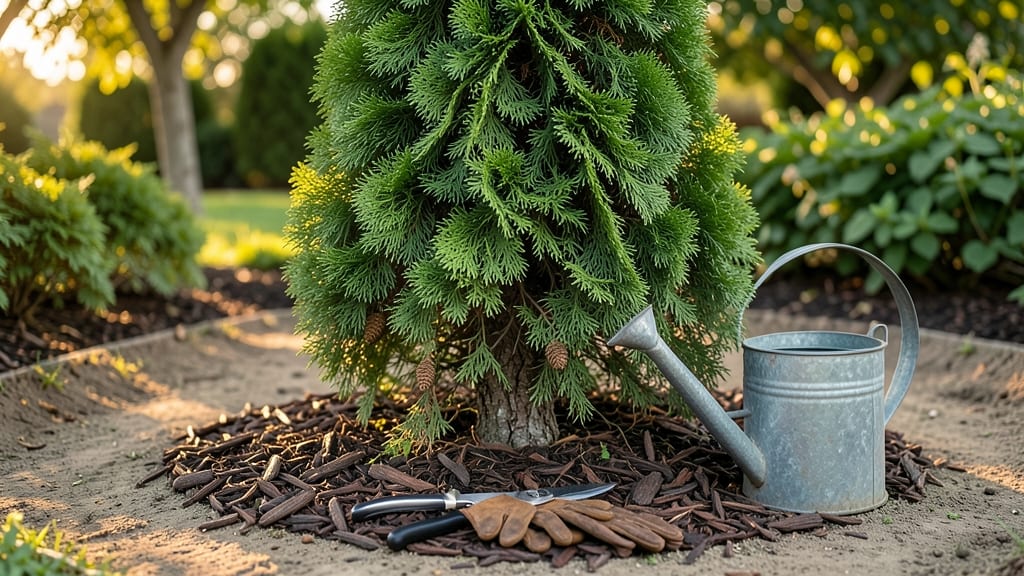
Caring for an arbor vitae tree means keeping it lush and healthy year-round, and the secret starts with knowing when to prune. ✂️ I’ve learned that timing matters more than most gardeners realize—cutting at the wrong season can stress the tree or even invite pests.
The key is working with nature’s rhythm, not against it, to keep those vibrant green needles looking their best.
First, gather your tools: sharp pruning shears, gloves, and a ladder if your tree is tall. Arbor vitae trees thrive in well-draining soil and partial shade, but pruning is where you really shape their future.
The best time to trim is late winter or early spring, just as new growth begins to push through. This gives the tree time to heal before summer’s heat sets in.
When you’re ready, focus on removing dead or overcrowded branches first—this opens up the tree’s center and lets sunlight reach the lower branches. For a fuller look, trim the outer tips just above a set of leaves.
You’ll see fresh, new growth within weeks, and the tree will reward you with dense, vibrant foliage all season long.
Pro tip: Avoid heavy pruning in late summer or fall, as this can leave the tree vulnerable to winter damage. If pests or diseases appear, act quickly—neem oil or insecticidal soap can save the day without harming the tree’s health.
With the right care, your arbor vitae will stay strong for decades.
📚 In This Guide
- What you need
- Instructions
- Tips and common mistakes
- Wrapping up and next steps
What you need
- ● Pruning shears: Bypass pruners (sharp, 6-8” blades) for clean cuts on small branches.
- ● Loppers: Long-handled (24-36”) for thicker branches (up to 2” diameter).
- ● Pruning saw: Curved-tooth or folding saw for branches over 2” in diameter.
- ● Gloves: Heavy-duty, cut-resistant (e.g., leather or synthetic mesh).
- ● Disinfectant: 70% isopropyl alcohol or bleach solution (1 part bleach:9 parts water) to sterilize tools between cuts.
- ● Rake or broom: For clearing debris after pruning.
- ○ Tree wound dressing (optional but helpful): Pruning sealant or beeswax-based product for large cuts (controversial but useful for arbor vitae’s susceptibility to disease).
- ● Ladder or stump: Sturdy, extendable ladder (if tree exceeds 6-8’ tall).
- ● Extension pole pruners: For high branches without a ladder.
- ● Tarps or drop cloths: To protect lawn/ground from falling needles.
- ● Pole saw: For hard-to-reach, high branches.
- ● Safety glasses: To shield eyes from debris.
- ● Tree growth regulator: Fertilizer with slow-release nitrogen (e.g., 10-10-10) for post-pruning recovery.
- ● Check local pruning regulations—some areas restrict tree work without permits.
- ● Schedule pruning on a dry, calm day to avoid weather-related complications.
- ● Wear closed-toe shoes and long sleeves to protect from branches and sap.
- ● Have a first-aid kit handy (just in case!)
Step-by-step arbor vitae tree care through the seasons
Here's how I keep my arbor vitae thriving year-round with simple seasonal checks.
☀️ Step 1: Spring Pruning for New Growth
Start in late March or early April when new buds swell but before leaves emerge. This timing ensures you're cutting back dormant growth, not fresh foliage. I always prune on a dry, sunny morning—the sap flows best when the tree is hydrated but not stressed.
Remove any dead, diseased, or crossing branches first. Use clean, sharp pruners to make cuts just outside the branch collar (that's the swollen area where the branch meets the trunk). For larger branches, I make a downward-facing cut to prevent water from pooling on the wound. Never leave stubs—this invites rot and weakens the tree.
Thin out crowded branches to improve airflow. Aim for an open center where sunlight can reach the inner foliage. You'll see new growth emerge within 4-6 weeks if you've pruned correctly—look for fresh green buds along the branches.
🌿 Step 2: Summer Maintenance for Pest Prevention
Check your arbor vitae every 4-6 weeks during summer for signs of spider mites, bagworms, or aphids. I run my fingers along the needles—if I feel webbing or see tiny insects, it's time to act. Healthy trees have vibrant green needles with no brown tips or shed needles on the ground.
Water deeply once a week if rainfall is less than 1 inch. Arbor vitae trees have shallow roots, so I use a soaker hose to deliver water slowly at the base. Avoid overhead watering—wet foliage encourages fungal diseases. If you notice yellowing needles, it's often a sign of overwatering or poor drainage.
Apply a balanced, slow-release fertilizer in early June if your soil is sandy or the tree looks nutrient-deficient. I spread it evenly under the canopy and water it in well. You'll know it's working if the new growth appears darker green and more vigorous by mid-summer.
✂️ Step 3: Fall Cleanup for Winter Readiness
Prune again in late October to remove any weak, damaged, or diseased branches before winter. This second pruning helps the tree enter dormancy with a cleaner structure. I also rake up all fallen needles and debris—this prevents pests from overwintering in the soil.
Mulch around the base with 2-3 inches of organic mulch, keeping it 6 inches away from the trunk. This protects the roots from freezing temperatures while allowing moisture to penetrate. I use shredded bark or pine straw—both work well and break down slowly.
If your arbor vitae is in a windy location, consider wrapping the trunk with tree guard to prevent frost cracks. I only do this for young trees or those in exposed areas. The goal is to let the tree harden off naturally while protecting it from harsh winter elements.
⏰ Step 4: Winter Inspection for Early Problems
Check your arbor vitae once a month during winter for signs of drought stress, animal damage, or disease. Look for brown needles (a sign of winter burn) or chewed branches (a sign of deer or rodent activity). Healthy arbor vitae trees should look dormant but intact—no excessive needle drop or broken limbs.
If you notice snow accumulation on branches, gently shake it off to prevent breakage. Heavy snow can weigh down the branches, especially on young trees. I also avoid pruning in winter—dormant trees heal slower in cold weather.
Plan your spring fertilizer application now by marking your calendar. Arbor vitae trees benefit from a light feeding in early spring to kickstart new growth. This is the time to also assess any structural issues that need attention once warmer weather arrives.
Tips & tricks for perfect arbor vitae tree care
Keeping your arbor vitae healthy year-round takes a few key tricks that make all the difference.
Timing is Everything: The late March or early April window for spring pruning is critical—it's the sweet spot when buds swell but leaves haven't emerged yet. I've learned this the hard way: pruning too early can damage fresh growth, while waiting too late misses the dormant season. If you're unsure when to start, look for those tiny green buds forming along the branches.
Pruning Technique That Works: When making cuts, always target just outside the branch collar—the swollen area where the branch meets the trunk. This is where the tree's natural healing begins. For larger branches, remember the downward-facing cut to prevent water pooling. I've seen too many trees develop rot from improper pruning cuts, so this step is non-negotiable. Use clean, sharp pruners every time—dull blades can crush branches and invite disease.
Seasonal Maintenance Checklist: Your every 4-6 weeks summer inspections should include running your fingers along the needles. This simple tactile check reveals spider mites (you'll feel webbing) or aphids (tiny bumps). I also keep a magnifying glass handy—sometimes the pests are too small to see without help. If you notice yellowing needles, it's usually a sign of overwatering or poor drainage, not underwatering as many people assume.
Winter Protection Secrets: For trees in windy locations, I've found that wrapping the trunk with tree guard only works if you remove it in early spring. Leaving it on too long can trap moisture against the bark, leading to rot. Also, when shaking snow off branches, do it gently—sudden movements can damage tender winter growth. I time my snow removal for warm, sunny winter days when the branches are more flexible.
Pro Tips for Arbor Vitae Tree Care
- Keeping your arbor vitae healthy year-round takes a few key tricks that make all the difference.
- Timing is Everything: The late March or early April window for spring pruning is critical—it's the sweet spot when buds swell but leaves haven't emerged yet.
- Pruning Technique That Works: When making cuts, always target just outside the branch collar—the swollen area where the branch meets the trunk.
Frequently asked questions
When is the best time to prune arbor vitae trees?
Prune arbor vitae in late winter or early spring (before new growth starts) to avoid stressing the tree. Avoid heavy pruning in fall—it can encourage tender new growth that won’t survive winter. Light shaping after summer blooms is fine, but never prune more than 25% of the foliage at once.
Can I prune arbor vitae in summer?
Yes, but lightly! Summer pruning is best for removing dead or diseased branches or minor shaping. Avoid heavy cuts—summer stress can weaken the tree. If you must prune, do it early in the morning to reduce water loss. Pro tip: Water deeply after pruning to help recovery!
Why is my arbor vitae turning brown? Is it dying?
Brown tips or branches often signal overwatering, underwatering, or pest stress. Check soil moisture—arbor vitae prefer well-draining soil. Spider mites or bagworms can also cause browning. Inspect branches for webs or eggs, and treat with neem oil if needed. Don’t panic! Many arbor vitae bounce back with proper care.
Do arbor vitae need pruning every year?
Not necessarily! Healthy arbor vitae only need light pruning every 2–3 years to remove dead wood or shape growth. Focus on preventative care: water deeply during droughts, mulch to retain moisture, and fertilize in early spring if soil is poor. Over-pruning weakens the tree—less is often more!
What’s a good alternative if my arbor vitae is struggling?
If your arbor vitae is chronically sickly (e.g., fungal issues, poor growth), consider disease-resistant evergreens like Thuja occidentalis ‘Smaragd’ (a hardy, low-maintenance variety) or Juniperus virginiana (eastern red cedar). Both thrive in similar conditions but with fewer pests and diseases.
Wrapping up and next steps
Caring for your arbor vitae doesn’t have to be overwhelming—just a little seasonal attention goes a long way! 🌿 By following the right pruning techniques, you’ll keep your tree healthy, vibrant, and thriving year-round. Whether you’re trimming in spring, summer, or winter, consistency is key.
Ready to give your arbor vitae the love it deserves? Grab your tools, roll up your sleeves, and start pruning today! Your tree—and your landscape—will thank you for it. 🌳✨