
Leaf Blower
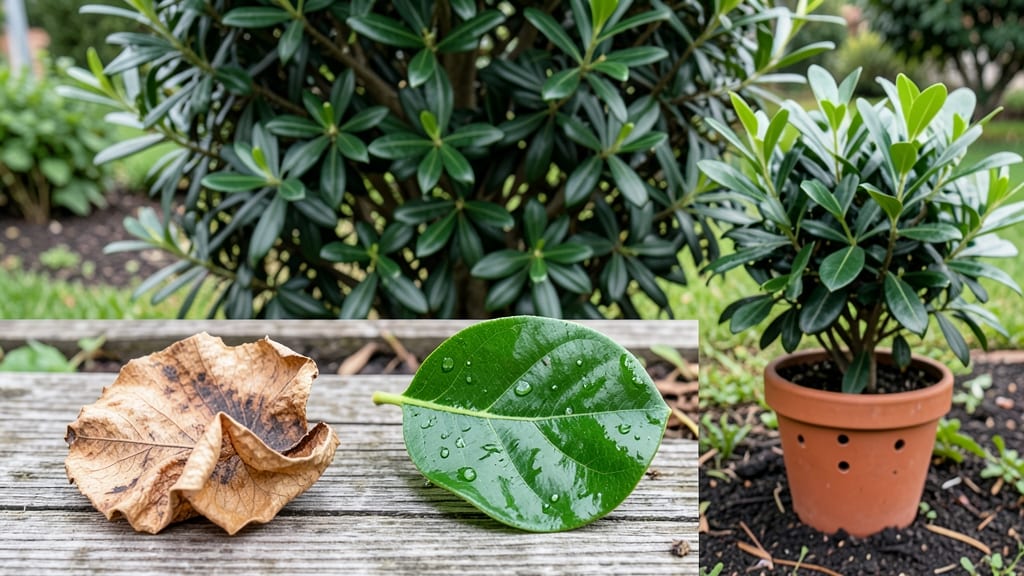
Your bay leaf tree’s leaves turning brown might be a cry for help—underwatering, overwatering, or pests could be the culprit. 🌿 I’ve nursed back more than a few struggling trees, and the fix often comes down to adjusting care routines or spotting hidden problems early.
The good news? Most cases improve within 2-4 weeks once you address the root cause (literally and figuratively).
Start by checking the soil: if it’s bone-dry 2 inches down, water deeply until moisture reaches 6 inches—but don’t drown it. Brown edges often signal underwatering, while yellowing between veins points to overwatering.
Pests like spider mites or scale leave sticky residue or tiny webs on undersides of leaves. A quick wipe-down with soapy water can reveal their presence before they take over.
Reviving your tree begins with pruning affected branches (sterilize your shears first!) and adjusting your watering schedule. Mulch around the base to retain moisture, and fertilize lightly with a balanced organic mix if nutrient deficiency is the issue.
Most trees bounce back within 3-6 weeks with consistent care—just avoid drastic changes that stress the plant further.
Prevention is easier than cleanup: water consistently, monitor for pests weekly, and avoid heavy-handed fertilizing. If your tree’s in a pot, ensure drainage holes aren’t clogged.
With these tweaks, your bay leaf tree could go from brown and brittle to lush and fragrant in no time. Let’s get it back to thriving!
Root Causes Of Browning Leaves
When your bay leaf tree’s leaves start turning brown, it’s usually a cry for help from the plant itself. Understanding the underlying causes is the first step to restoring its vibrant green health.
Below, we break down the most common reasons—each with a clear scientific explanation and actionable insights to address them.
Bay leaf trees (like Laurus nobilis) are drought-tolerant but hate soggy roots. Overwatering or compacted, waterlogged soil can suffocate roots, cutting off oxygen and nutrients. This leads to:
- Yellowing leaves (chlorosis) that eventually brown and crisp.
- Root rot, a fungal infection that blocks water/nutrient uptake.
- Stunted growth as the tree struggles to recover.
Why it happens: Poor drainage forces roots into anaerobic conditions, where harmful microbes thrive. Bay leaf trees prefer well-draining soil (sandy loam or amended with perlite) and water only when the top 2 inches of soil are dry.
💡 Pro Tip: Test drainage by digging a 6-inch hole, filling it with water, and timing how long it takes to drain. If it takes >2 hours, amend the soil with coarse sand or gravel.
Bay leaf trees thrive in partial shade (4–6 hours of sun daily), but too much direct sunlight—especially in hot climates—can scorch leaves. Browning often starts as yellow patches that turn crispy and brown along leaf edges.
Why it happens: Excessive UV radiation breaks down chlorophyll, leading to:
- Photoxidative stress: Sunlight damages cell membranes, causing tissue death.
- Water loss: Hot sun accelerates transpiration, dehydrating leaves.
- Heat shock proteins fail to protect the tree, leading to irreversible browning.
🌡️ Actionable Fix:
- Move potted trees to dappled shade (e.g., under a sheer curtain or near a north-facing window).
- For outdoor trees, prune nearby structures to filter harsh afternoon sun.
- Mulch the base with 2–3 inches of organic mulch (e.g., wood chips) to regulate soil temperature.
Brown, spotted, or curled leaves often signal fungal diseases like anthracnose or leaf spot, or pest damage from spider mites or scale insects. These disrupt the tree’s ability to photosynthesize.
Why it happens:
| Cause | Symptoms | Scientific Trigger |
|---|---|---|
| Anthracnose (fungus) | Dark brown/black spots with yellow halos; leaves may drop prematurely. | Fungal spores (Colletotrichum) thrive in humid, wet conditions, cracking leaf cuticles and invading tissues. |
| Spider Mites (pests) | Stippled brown/yellow leaves, fine webbing on undersides. | Mites pierce cells to feed, disrupting chlorophyll production and causing necrosis (cell death). |
| Scale Insects (pests) | Sticky residue ("honeydew"), brown crusty bumps on stems/leaves. | They siphon sap, starving leaves of nutrients and creating entry points for sooty mold. |
🔥 Treatment:
- Fungus: Apply copper fungicide or a baking soda spray (1 tsp baking soda + 1 quart water + a drop of dish soap).
- Pests: Spray with neem oil (1 tbsp neem oil + 1 quart water + soap) or introduce ladybugs (natural predators).
Brown leaves with visible veins (interveinal browning) often indicate iron, manganese, or magnesium deficiencies. Poor soil quality or over-fertilizing can also disrupt nutrient balance.
Why it happens:
- Iron deficiency (chlorosis): Leaves turn pale yellow between veins before browning. Common in alkaline soils (pH >7.0), where iron becomes unavailable.
- Magnesium deficiency: Older leaves develop brown patches between veins (like a "V" shape). Magnesium is vital for chlorophyll synthesis.
- Salt buildup: Over-fertilizing or tap water high in chlorides can burn root tips, reducing nutrient uptake.
🎯 Soil Solutions:
- Test soil pH—aim for 6.0–7.0. Amend with sulfur (to lower pH) or lime (to raise it).
- Apply chelated iron (for chlorosis) or Epsom salt (1 tbsp/gallon water, foliar spray).
- Flush soil with water to leach excess salts (water until it runs clear from drainage holes).
Each of these causes has a specific fix, but the key is acting fast. Brown leaves won’t reverse on their own—your bay leaf tree needs targeted care to bounce back! 🌿
Revive Your Tree’s Health Now
Your bay leaf tree’s browned leaves may look like a lost cause, but with the right care, it can bounce back to vibrant green in no time. The key is identifying the root issue and applying targeted fixes.
Below, we break down practical solutions for each cause, from quick fixes to long-term prevention—so you can nurse your tree back to health without stress.
Symptoms: Yellowing leaves turning brown, mushy stems, or roots sitting in soggy soil.
How to Fix It: ✅ 🔥 Adjust Your Watering Routine Stop watering until the top 2–3 inches of soil feel dry to the touch (stick your finger in!). Bay leaf trees (Laurus nobilis) prefer moderate moisture—never soggy soil. Water deeply once a week (or less in winter) and ensure excess water drains away.
✅ 🍳 Improve Soil Drainage If your pot lacks drainage holes, transfer your tree to a container with drainage or add a layer of perlite or coarse sand to the soil mix. For in-ground plants, amend the soil with compost and sand (50/50 ratio) to loosen it up.
✅ 👨🍳 Repot If Needed If roots are rotting (smells foul, black/mushy), trim the damaged roots with sterilized scissors and repot in fresh, well-draining soil. Add a fungicide (like copper-based) to prevent further rot.
💡 Prevention Tip: ✔ Use a moisture meter to track soil dampness—bay trees hate "wet feet." ✔ Water in the morning so excess evaporates by evening.
Symptoms: Crispy, brown edges on leaves (especially new growth), wilting in hot afternoons.
How to Fix It: ✅ 🌿 Gradually Acclimate to Sun If your tree is new to outdoor conditions, harden it off by moving it to partial shade for a week before full sun. Bay trees thrive in morning sun + afternoon shade—avoid harsh afternoon rays in scorching climates.
✅ 🌡️ Provide Temporary Relief On extreme heat days (above 90°F/32°C), mist leaves lightly in the morning or cover with shade cloth (30–50% block). Avoid overhead watering, which can scorch leaves.
✅ 🎯 Trim Damaged Leaves Snip off crispy, browned edges with clean pruners to encourage new growth. Focus on outer leaves first—they’re most exposed.
💡 Prevention Tip: ✔ Choose a location with dappled shade (like under a tree canopy) if you’re in a hot zone. ✔ Mulch the base with 2–3 inches of organic mulch to regulate soil temperature.
Symptoms: Sticky residue (honeydew), tiny webs, chewed leaves, or brown speckles (frass).
How to Fix It: ✅ 🔪 Identify the Culprit Common pests on bay trees:
- Spider mites (tiny webs, stippled leaves)
- Scale insects (brown bumps on stems)
- Aphids (clusters of tiny green/black bugs)
- Whiteflies (fluffy white clouds when disturbed)
✅ 🍎 Treat Naturally First
- Neem oil spray (1 tsp neem oil + 1 tsp mild soap + 1 quart water). Spray every 5–7 days until pests vanish.
- Blast off mites with a strong hose spray (disrupts their webs).
- Introduce beneficial insects like ladybugs or lacewings.
✅ 🛡️ Severe Cases? Use Insecticide For heavy infestations, try pyrethrin-based sprays (organic) or systemic insecticides (like imidacloprid) as a last resort. Reapply after rain.
💡 Prevention Tip: ✔ Inspect leaves weekly—catch pests early! ✔ Prune heavily infested branches and dispose of them in sealed bags.
Symptoms: Uniform brown/yellowing between leaf veins, stunted growth, or pale foliage.
How to Fix It: ✅ 📊 Test Your Soil Use a DIY soil test kit (available at garden centers) to check pH (ideal: 6.0–7.0) and nutrient levels. Bay trees need balanced NPK (10-10-10) but are sensitive to excess salt.
✅ 💪 Fertilize Smartly
- Spring/Summer: Apply a slow-release granular fertilizer (like 10-10-10) once a month.
- Fall/Winter: Switch to a low-nitrogen, high-potassium fertilizer (like 5-10-10) to support root health.
- Avoid liquid fertilizers—they can burn roots.
✅ 🍎 Boost with Compost Mix well-rotted compost into the top 6 inches of soil once a year (spring) for organic nutrients.
💡 Prevention Tip: ✔ Flush the soil every 3 months with water to prevent salt buildup. ✔ Avoid over-fertilizing—brown tips can signal fertilizer burn!
Symptoms: Brown, papery leaves (especially on young growth), blackened stems, or leaf drop.
How to Fix It: ✅ 🛡️ Shelter from Frost Bay trees are tender perennials—they can’t handle temps below 20°F (-7°C). If frost is forecast:
- Move potted trees indoors (near a sunny window or under grow lights).
- Cover outdoor trees with frost cloth or a lightweight blanket (remove during the day).
✅ 🌿 Prune Damaged Growth Once spring arrives, trim all browned or dead branches back to healthy green tissue. New growth will replace them.
✅ 🌡️ Harden Off Before Winter If you’re in a marginal climate (Zone 7–8), mulch heavily (4–6 inches) around the base to insulate roots.
💡 Prevention Tip: ✔ Choose a microclimate (like near a south-facing wall) for outdoor bay trees. ✔ Use a heat lamp for potted trees in garages or porches during cold snaps.
Final Thought: 🌿 Most browned bay leaves recover within 2–4 weeks of proper care. Stay consistent with water, shade, and pest control, and your tree will reward you with lush, aromatic foliage all season long! For stubborn cases, repeat treatments every 2 weeks until you see improvement.
Frequently asked questions
Why do my bay leaf tree leaves turn brown only at the edges?
This is usually a sign of underwatering or low humidity. Bay leaf trees prefer consistent moisture—check if the top 2 inches of soil are dry. For potted trees, mist leaves occasionally or place a tray of water nearby to increase humidity.
Can I save my bay leaf tree if half the leaves are already brown?
Yes! Focus on pruning affected branches (sterilize shears first) and adjusting care. If it's underwatering, water deeply until moisture reaches 6 inches down. For pests, use neem oil spray weekly. With consistent care, new growth should emerge within 3-4 weeks.
How often should I fertilize a bay leaf tree with brown leaves?
Start with a balanced organic fertilizer (10-10-10) applied every 4-6 weeks in spring/summer. If leaves show nutrient deficiency signs (like yellowing between veins), use chelated iron or Epsom salt spray instead. Avoid fertilizing in winter when growth slows.
Will pruning brown leaves help my bay leaf tree recover?
Pruning removes dead tissue and redirects energy to healthy growth. Cut back to green leaf nodes using clean, sharp shears. For severe cases, remove up to 30% of affected branches. Sterilize tools with rubbing alcohol between cuts to prevent disease spread.
Can I use household items to treat brown leaves caused by pests?
Yes! Mix 1 tablespoon neem oil + 1 teaspoon mild soap + 1 quart water for a natural pesticide. Spray on leaves (including undersides) every 5-7 days until pests disappear. For sticky residue from scale insects, wipe leaves with a damp cloth dipped in rubbing alcohol (50% water).