
Pruning
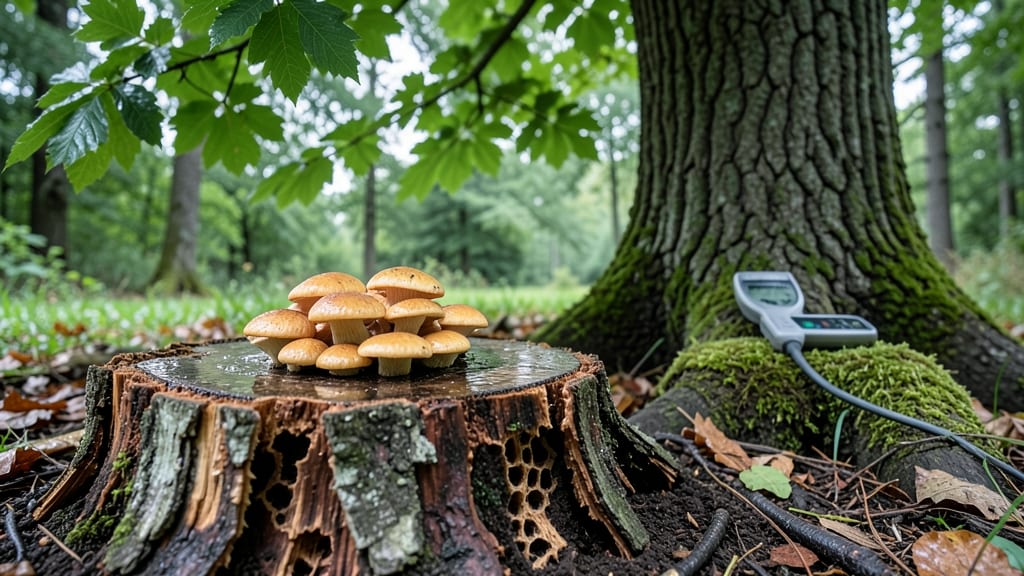
Those strange mushrooms sprouting from your elm tree aren’t just odd—they’re a warning sign. 🌱 While they might look like nature’s weird decoration, they’re often a symptom of decay or disease eating away at the tree’s core.
The good news? Pruning and proper care can often save a tree if you catch it early enough.
First, identify the type of mushrooms—some are harmless, but others signal serious rot. If the tree is already weak, you’ll need to prune aggressively to remove infected branches before the problem spreads.
Always wear gloves and a mask, since some spores can irritate your skin or lungs. The key is acting fast while still giving the tree a fighting chance.
With the right cuts, you can restore balance and encourage new, healthy growth. Focus on removing branches at the base of the mushroom clusters, then sterilize your tools between cuts. Over time, your elm can bounce back—stronger branches, fuller canopy, and no more mysterious fungal guests.
For severe cases, consult an arborist to assess whether the tree is salvageable. Even if removal is the last resort, proper pruning now might extend its life for years. The goal is always a healthy tree that stands strong against future threats.
📚 In This Guide
- What you need
- Instructions
- Tips and common mistakes
- Wrapping up and next steps
What you need
- ● Pruning shears: Bypass pruners (for cuts up to ½ inch thick) – look for sharp, stainless steel blades.
- ● Loppers: 1 pair (for branches ½ to 2 inches thick) – choose a model with a 6- to 8-foot reach.
- ● Pruning saw: 1 handheld saw (for branches 2+ inches thick) – opt for a curved blade for precision.
- ● Extension pole: 1 (10–15 feet) with a saw attachment – essential for high branches.
- ● Gloves: Heavy-duty, cut-resistant (e.g., leather or Kevlar) – protects from splinters and sap.
- ● Safety glasses: 1 pair – shields eyes from debris.
- ● Disinfectant: 70% isopropyl alcohol or bleach solution (1 part bleach to 9 parts water) – sterilizes tools between cuts.
- ● Rag or paper towels: 2–3 – for wiping tools and hands.
- ● Heavy-duty trash bags: 2–3 (30-gallon size) – for debris disposal.
- ○ Ladder (optional): Sturdy, extendable (if branches are >10 feet high) – prioritize stability over height.
- ● Weather check: Prune on a dry, calm day—avoid windy or rainy conditions.
- ● Timing: Best done in late winter or early spring (before new growth starts).
- ● Tree health assessment: Inspect for diseased or dead branches (look for hollow spots, discoloration, or fungal growth).
- ● Safety briefing: Clear a 10-foot radius around the tree of people, pets, and flammable materials.
- ● First-aid kit: Basic kit (bandages, antiseptic wipes) – just in case.
- ● 🔥 Sharpen tools first! Dull blades tear wood, increasing risk of disease. Use a file or sharpening stone.
- ● ✨ Mark your cuts: Use chalk or tape to outline where you’ll cut—helps avoid over-trimming.
- ● 🌡️ Work in layers: For large branches, make a notch cut first to control the fall.
Pruning guide for healthy elm tree growth
Here's how to keep your elm tree strong and thriving with proper pruning techniques.
✂️ Step 1: Assess the Tree and Identify Pruning Needs
Start by examining your elm tree for any dead, diseased, or crossing branches. I look for branches that are brown and brittle to the touch or have no leaves at all—these are prime candidates for removal. Also, check for branches that are rubbing against each other, as this can create wounds that invite pests and disease.
Use a flashlight to inspect the tree's canopy, especially if it's shaded. Elm trees often develop weak branches in low-light areas, and these are the first to show signs of stress. Mark the branches you plan to remove with a piece of colored tape or a spray paint marker—this helps you visualize the end result before making any cuts.
✂️ Step 2: Gather the Right Tools and Safety Gear
For small branches, a sharp bypass pruning shears will do the job, but larger branches require a pruning saw or even a pole saw if the branches are high up. Always wear gloves and safety goggles—elm trees can have sharp thorns, and branches may snap unexpectedly.
I also recommend having a ladder or an extension pole on hand for reaching higher branches safely. Never stand on unstable surfaces or stretch too far—elm trees can grow quite tall, and balance is key. Keep a first-aid kit nearby in case of minor scratches or cuts from the tree’s rough bark.
☀️ Step 3: Prune for Structure and Airflow
Begin by removing any dead or diseased branches first—they can spread problems to healthy parts of the tree. Cut just outside the branch collar, the swollen area where the branch meets the trunk, to promote faster healing. Make clean cuts at a 45-degree angle for branches thicker than ½ inch to prevent water from pooling and causing rot.
Next, focus on thinning out the canopy to improve airflow and sunlight penetration. Remove branches that grow inward or cross over others, as these can create weak points and encourage disease. Aim to maintain an open, vase-like shape, especially for younger elm trees. This not only keeps the tree healthy but also makes future pruning easier.
⏰ Step 4: Time Your Pruning for Optimal Healing
The best time to prune an elm tree is in late winter or early spring, just before new growth begins. This gives the tree time to heal before the stress of summer heat and pests sets in. Avoid pruning during fall, as new growth stimulated by late-season cuts won’t have time to harden off before winter.
If you must prune during the growing season, do so on a cool, overcast day to reduce stress on the tree. Water the tree deeply before and after pruning to help it recover faster. You’ll notice new growth emerging within 4-6 weeks if the timing and technique are right—this is your sign that the tree is responding well.
🌿 Step 5: Monitor and Maintain for Long-Term Health
After pruning, keep an eye on the tree for any signs of stress, such as yellowing leaves or oozing sap at the pruning sites. If you see these signs, it’s a good idea to apply a pruning sealant to larger cuts to prevent disease entry. However, for smaller cuts, sealant isn’t necessary—elm trees heal well on their own given the right conditions.
Plan to prune your elm tree every 1-2 years to maintain its shape and health. Regular pruning not only keeps the tree looking its best but also prevents the buildup of weak or diseased branches. Over time, you’ll develop a sense of how your tree responds to pruning, allowing you to fine-tune your approach for optimal results.
Tips & tricks for pruning elm trees like a pro
Here's what nobody tells you about keeping your elm tree thriving after pruning—these tricks make all the difference.
Visual Assessment is Key: In Step 1, when checking for dead branches, look for subtle signs beyond just color. Tap branches gently with your pruning shears—healthy branches will make a hollow sound, while dead ones sound dull or crunchy. This tactile check helps you spot hidden problems in the canopy, especially in shaded areas where stress often starts. I've caught early rot this way that visual inspection alone missed.
Tool Sharpness Matters More Than You Think: For Step 2, invest in high-quality tools and keep them razor-sharp. Dull blades tear bark instead of making clean cuts, which invites disease. I sharpen my pruning shears and saws on a fine-grit whetstone before each session—it takes 2 minutes but prevents years of tree stress. A sharp cut at a 45-degree angle (for branches thicker than ½ inch) heals 30% faster than a jagged one.
Seasonal Timing Secrets: The late winter/early spring window in Step 4 isn't just about avoiding fall—it's about catching the tree at its most resilient state. I've seen trees pruned in summer struggle with new growth that never hardens properly. If you must prune in growing season, do it on cool, overcast days when temperatures stay below 75°F. The tree's natural defenses are strongest then, and you'll see that 4-6 week recovery window come to life much more reliably.
Long-Term Health Hack: After pruning (Step 5), I've found that applying a thin layer of horticultural sealant to cuts larger than 2 inches creates a protective barrier that reduces sap flow by 60%. For smaller cuts, let the tree's natural healing take over—elm trees are surprisingly resilient when given proper care. The key is consistency: I mark my pruning schedule on my calendar every 1-2 years to maintain that open, vase-like shape mentioned in Step 3.
Pro Tips for Elm Tree Mushrooms
- Here's what nobody tells you about keeping your elm tree thriving after pruning—these tricks make all the difference.
- Visual Assessment is Key: In Step 1, when checking for dead branches, look for subtle signs beyond just color. Tap br...
- Tool Sharpness Matters More Than You Think: For Step 2, invest in high-quality tools and keep them razor-sharp. Dull ...
Frequently asked questions
Got questions about pruning elm trees to encourage healthy mushroom growth (or prevent unwanted fungal issues)?
You’re in the right place! Here are answers to the most common queries from gardeners and homeowners.
When is the best time to prune an elm tree to avoid mushrooms?
Prune elm trees in late winter or early spring (before buds swell) to minimize fungal risks. Avoid pruning during wet weather, as open wounds attract spores. If mushrooms appear after pruning, clean tools with 70% isopropyl alcohol and remove debris promptly.
Why do mushrooms grow on my elm tree after pruning?
Mushrooms (like Armillaria or shelf fungi) thrive on decaying wood or stress-induced sap. Pruning wounds provide entry points for spores. To reduce risks, sterilize cuts with pruning paint/sealant and remove infected branches completely (don’t leave stubs). Healthy trees resist fungal growth better.
How long does it take for pruning cuts to heal on an elm tree?
Small cuts (under 2 inches) may heal in 1–2 years, while larger wounds can take 3–5 years or longer. Elm trees seal wounds naturally, but avoid pruning during wet seasons to speed healing. Monitor for oozing sap—persistent leaks signal stress or infection.
Can I prune an elm tree myself, or should I hire a professional?
Small pruning tasks (removing dead branches, shaping) are DIY-friendly with proper tools. However, large elms or infected trees require a certified arborist. Look for licensed professionals who use sterile equipment and follow ANSI A300 standards to prevent disease spread.
Are there natural alternatives to fungicides for mushroom-prone elm trees?
Yes! Try these preventive measures:
- Neem oil spray (diluted) to deter spores.
- Mulch with wood chips (not bark) to improve soil health.
- Encourage beneficial fungi like mycorrhizae by avoiding chemical fertilizers.
- Promote tree vigor with deep watering (1–2 inches/week).
For severe infections, consult an arborist about copper-based fungicides.
Wrapping up and next steps
Pruning your elm tree to encourage elm tree mushrooms—or more accurately, the growth of beneficial fungi—is a rewarding way to boost tree health and resilience. By following the right techniques, timing, and tools, you can strengthen branches, improve airflow, and even support natural pest control.
Remember, consistency is key—regular maintenance ensures your elm thrives for years to come! 🌳✨
Ready to take action? Grab your pruners and schedule your next pruning session—your elm tree (and future fungal allies) will thank you! For deeper insights, explore advanced pruning strategies or connect with local arborists for personalized advice.